Ravan Villain or Scholar: Unpacking the Mythological Enigma
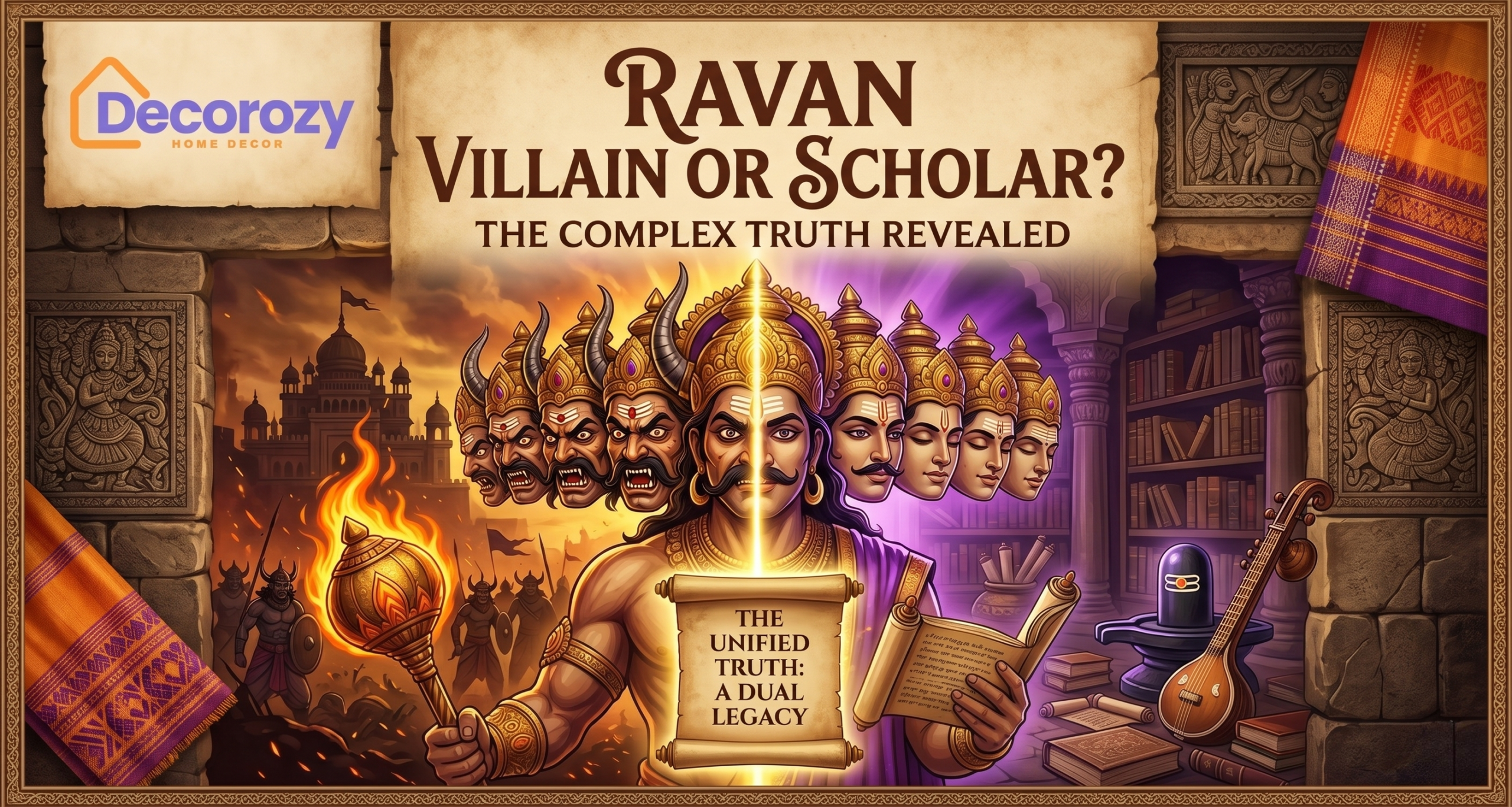
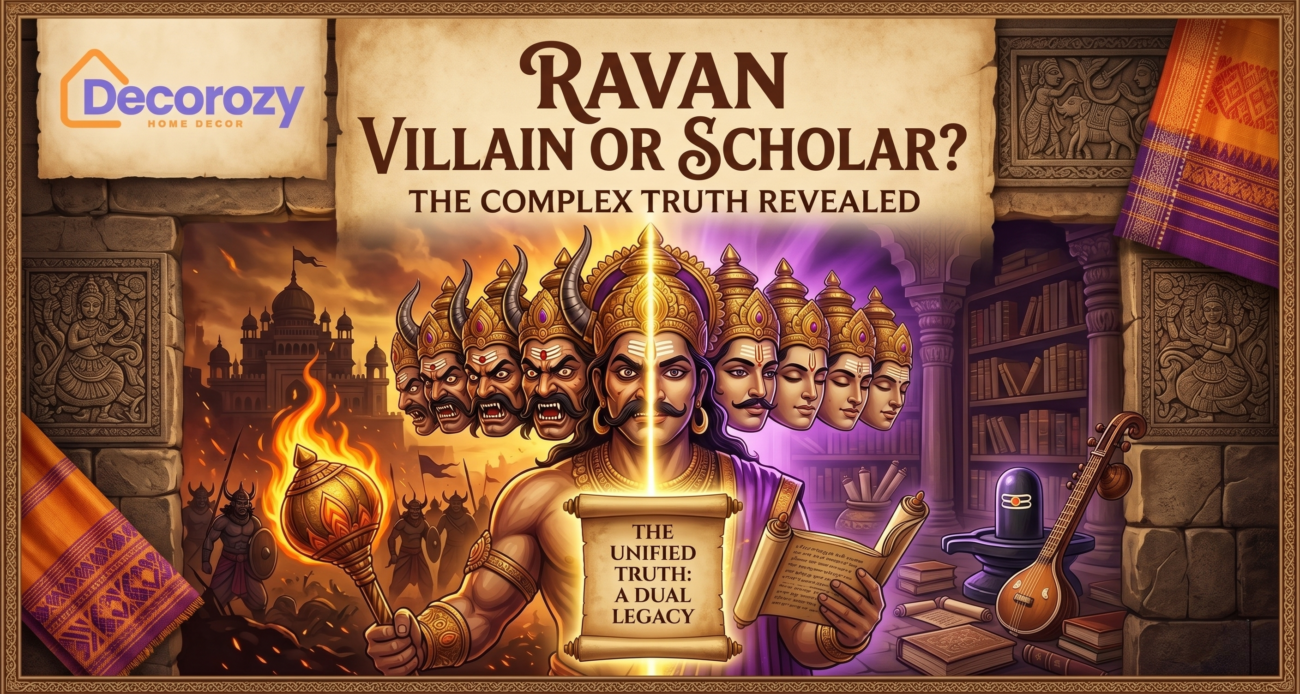
The debate surrounding whether to label Ravan villain or scholar has fascinated historians and mythology enthusiasts for centuries. As the central antagonist of the ancient Indian epic, the Ramayana, his character is remarkably complex and multifaceted.
Many perceive him solely as a demonic tyrant who terrorized the heavens and the earth. However, understanding if he was truly a Ravan villain or scholar requires a deep, objective dive into ancient scriptures.
Quick Answer: Ravan was simultaneously a formidable villain and a brilliant scholar. While his abduction of Sita and tyrannical rule cemented his villainous status in the Ramayana, he was also an undisputed master of the Vedas, a devout Shaivite, and a legendary maestro of the Veena.
The Genesis of the Ravan Villain or Scholar Debate
To comprehend the Ravan villain or scholar dichotomy, we must first examine his unique mythological lineage. Born to the respected Sage Vishrava and the Asura princess Kaikesi, he inherited both Brahminical wisdom and aggressive ambition.
This dual heritage laid the absolute foundation for his paradoxical and volatile nature. He was meticulously groomed in the holy scriptures but harbored a fierce, unyielding desire for ultimate universal power.
Consequently, modern readers of the Ramayana are often left wondering about this psychological divide. It is fascinating how such profound spiritual knowledge could coexist seamlessly with immense moral corruption.
Why the “Ravan Villain or Scholar” Paradox Matters Today
Analyzing the Ravan villain or scholar narrative teaches vital lessons about the severe limits of raw intellect. Knowledge without righteous action, known as Dharma, ultimately leads to catastrophic personal and societal destruction.
His character serves as a timeless psychological case study for modern business and political leaders. It proves that mastery of the texts and political acumen cannot compensate for unchecked ego and arrogance.
By exploring this duality, we learn to cultivate deep empathy and strict moral grounding. True wisdom requires ethical application, a philosophy that remains deeply relevant to our contemporary society.
Deconstructing the Scholar Behind the Mythological Villain
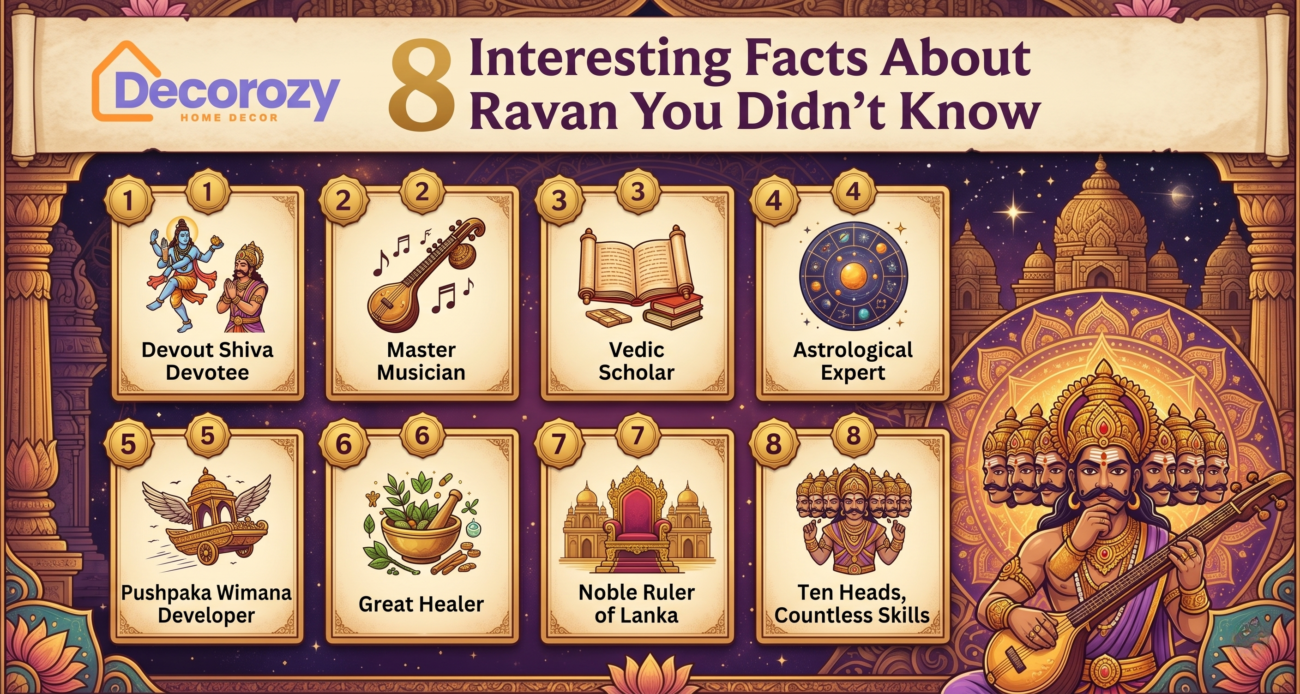
Beneath the fearsome demonic exterior lay a historical polymath of unparalleled intellectual caliber. Ravan authored the Shiva Tandava Stotram, a masterpiece of Sanskrit poetry reflecting his immense, unwavering devotion to Lord Shiva.
He was also recognized as a highly accomplished Ayurvedic physician and an expert Vedic astrologer. Legends state he actively commanded planetary alignments during the birth of his son, showcasing his sheer astrological mastery.
However, his scholarly brilliance could not prevent his ultimate, inevitable downfall at the hands of Lord Ram. His grave sins overshadowed his vast intellectual achievements, cementing his lasting legacy primarily as a tyrant.
In conclusion, the historical legacy of Lanka’s mighty king is far from black and white. He remains a tragic amalgamation of extraordinary spiritual genius and catastrophic moral failure.
His life is a powerful, enduring reminder that true greatness demands both immense intelligence and unwavering integrity. For more fascinating deep dives into mythology and culture, keep exploring right here on Decorozy.com!
FAQ Schema
- Question 1: Was Ravan a Brahmin or an Asura?
- Answer: Ravan was a half-Brahmin and half-Asura. His father, Vishrava, was a respected Vedic sage, while his mother, Kaikesi, belonged to the Daitya clan, granting him a dual nature.
- Question 2: What books and texts did Ravan write?
- Answer: Ravan is credited with authoring several ancient texts. His most famous literary work is the Shiva Tandava Stotram, but he also authored complex Ayurvedic treatises like the Arka Prakasham.
- Question 3: Why is Ravan worshipped in some places today?
- Answer: Despite his role as a villain, Ravan is worshipped in certain regions of India and Sri Lanka. Devotees revere him for his immense devotion to Lord Shiva and profound knowledge of the Vedas.