The Most Powerful Hindu Gods: Exploring Divine Energy
Hindu mythology offers a deeply profound look into cosmic balance and spirituality. These ancient texts outline a vast pantheon of deities that guide the universe. Exploring the most powerful Hindu gods reveals specific universal forces governing creation, preservation, and destruction.
Quick Answer: The most powerful Hindu gods include the Trimurti—Brahma (Creator), Vishnu (Preserver), and Shiva (Destroyer)—alongside supreme feminine deities like Durga and Kali. Together, these divine forces maintain cosmic order, offering devotees protection, wisdom, and the ultimate path to spiritual liberation.
The Core Concept Behind the Most Powerful Hindu Gods
Understanding the most powerful Hindu gods requires looking beyond literal interpretations. They symbolize the fundamental, dynamic energies of the entire universe. Every deity serves a specific cosmic function necessary for universal balance.
The Trimurti forms the undeniable backbone of this cosmic framework. Brahma, Vishnu, and Shiva work in continuous harmony to sustain all known existence. Without their synchronized efforts, the cycle of time would collapse.
Brahma represents the initial spark of creation and profound universal knowledge. Born from a lotus, he signifies the dawn of consciousness and the beginning of life. His four heads symbolize a master perspective over all directions and dimensions.
Meanwhile, the Tridevi provides the essential feminine energy, widely known as Shakti. Without this animating force, the universe remains completely static and inactive. Deities like Saraswati bring forth the essential powers of wisdom, music, and eternal creativity.
The Spiritual Importance of the Most Powerful Hindu Gods
Engaging with the most powerful Hindu gods offers profound, tangible spiritual benefits. Worshippers connect directly with specific virtues like courage, wisdom, and wealth. This connection transforms theoretical theology into practical daily guidance.
For example, invoking Lord Hanuman grants immense physical and mental strength. His absolute devotion to Lord Rama models perfect spiritual humility and loyalty. Worshipping him removes life’s obstacles and builds unshakable inner resilience.
Similarly, Goddess Lakshmi brings a harmonious blend of material prosperity and spiritual abundance. This dual blessing ensures a balanced, fulfilling life for dedicated practitioners. She teaches that wealth must be pursued with supreme integrity and generosity.
These deities also teach humanity how to face inevitable adversity. By studying their mythological battles, followers learn to combat their own internal demons. The focus shifts from external worship to profound internal transformation.
Detailed Analysis: Attributes of the Supreme Deities
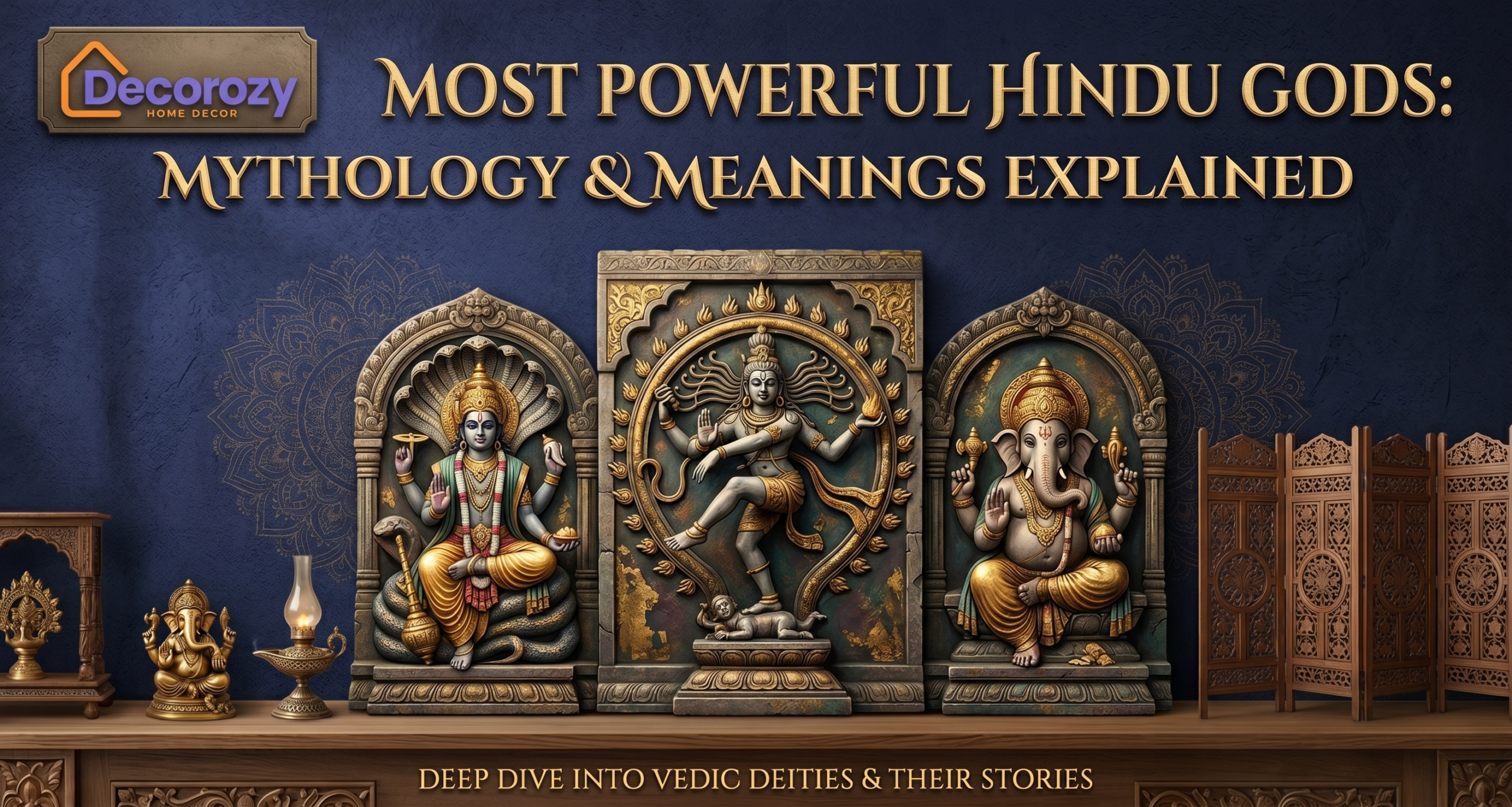
Lord Shiva, the Destroyer, remains one of the most complex mythological figures. He actively dissolves the universe to pave the way for necessary regeneration. Through his cosmic dance, the Tandava, he demonstrates that endings bring vital new beginnings.
Lord Vishnu actively preserves reality through his ten legendary avatars. He descends to Earth whenever divine justice (Dharma) faces existential threats. His avatars, including Krishna and Rama, impart timeless wisdom and ethical boundaries.
Fierce goddesses like Kali represent the terrifying but protective power of the divine. She actively destroys human ego, toxic ignorance, and malevolent spiritual forces. Her presence, while fearsome, leads devotees toward ultimate, unburdened enlightenment.
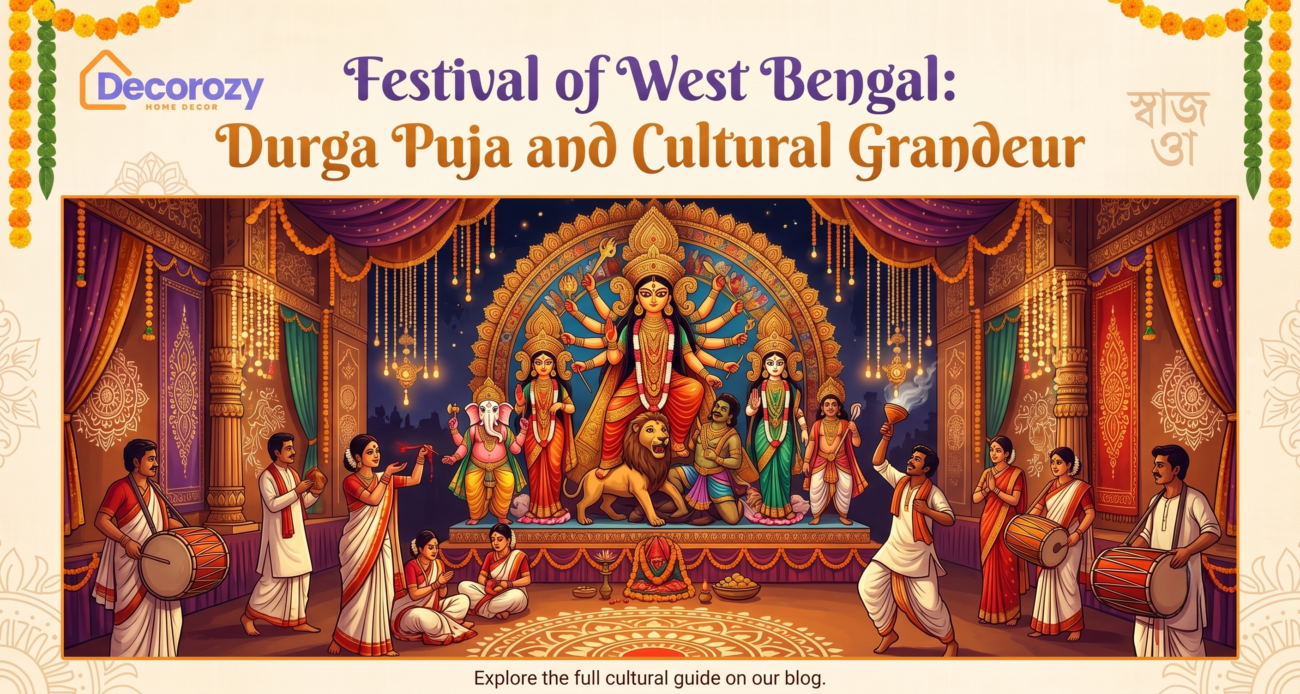
Goddess Durga embodies pure warrior energy and unyielding divine justice. Riding a lion, she vanquishes threats that even the male gods cannot defeat. Her balanced approach teaches humanity to protect the vulnerable with both grace and absolute courage.
Exploring these divine entities reveals timeless lessons for modern, conscious living. Their mythological stories teach us resilience, adaptability, and the importance of cosmic balance. We learn that true strength requires a blend of power, wisdom, and deep compassion.
Embrace these ancient spiritual teachings to cultivate lasting inner strength and peace. Discover more inspiring cultural insights and elevate your living space at Decorozy.com today!
FAQ Schema
- Question 1: Who is the strongest god in Hinduism?
- Answer: Shiva, Vishnu, and Brahma form the supreme trinity, but Shiva is often considered the most powerful due to his role as the ultimate destroyer and transformer of the entire universe.
- Question 2: Who are the most powerful female Hindu deities?
- Answer: Goddess Durga and Goddess Kali are considered the most powerful fierce forms of the divine feminine (Shakti), universally revered for destroying evil and fiercely protecting their devotees.
- Question 3: What is the main purpose of the Hindu Trimurti?
- Answer: The Trimurti manages the cosmic cycle of the universe. Brahma creates, Vishnu preserves, and Shiva destroys, ensuring a perfectly balanced, continuous loop of birth, life, and regeneration.