



Makar Sankranti 2026

Makar Sankranti 2026: Date, Wishes, Rituals & Significance

As the winter chill begins to fade and the first warm rays of spring touch the ground, India prepares for one of its happiest festivals. Makar Sankranti 2026 is not just a date on the calendar; it is a feeling of joy that spreads across the country. Imagine the sky filled with colorful kites and homes smelling of sweet sesame and jaggery. It is a time to say goodbye to the cold days and welcome the warmth of the sun.

This festival marks a new beginning, a time for harvest, and a moment to spread positivity. Let’s explore the date, traditions, and the beautiful meaning behind this day.

📅 When is Makar Sankranti 2026?

Many people ask, "Makar Sankranti kab hai?" Here is the correct date:

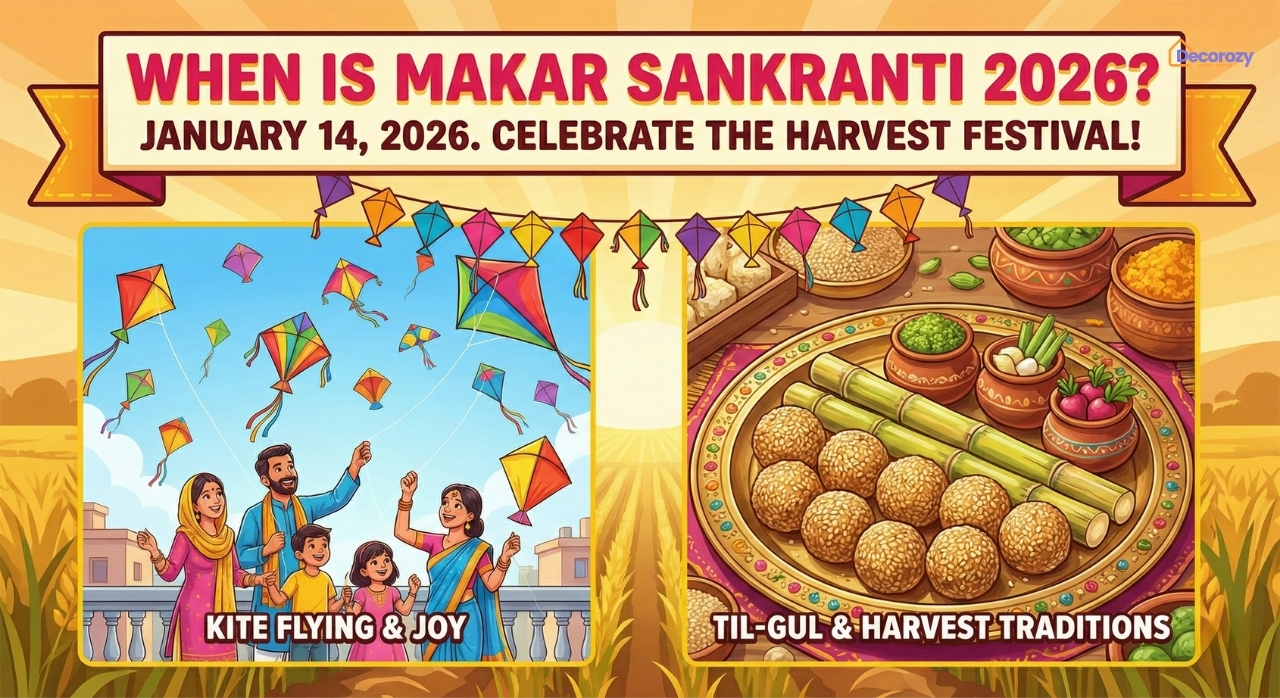
  • Date: Wednesday, January 14, 2026
  • Significance: The Sun enters Capricorn (Makar Rashi)
  • Key Rituals: Holy bath, Kite flying, Eating Til-Gul

Unlike other festivals that follow the moon, Makar Sankranti follows the solar cycle, which is why it falls on January 14th almost every year.

What is Makar Sankranti?

At its heart, this is a harvest festival. The word 'Makar' refers to the zodiac sign Capricorn, and 'Sankranti' means movement. So, it celebrates the Sun moving into Capricorn. This shift begins Uttarayan, a six-month period considered very lucky and holy in Indian culture.

For farmers, this is a time of thanksgiving. The fields are full of crops like wheat and sugarcane, symbolizing wealth and happiness. Spiritually, it is a time to forget old fights and start fresh, just like the sun starts a new journey.

One Festival, Many Names

India is a land of diversity, and Makar Sankranti is celebrated differently in every state:

  • Gujarat & Rajasthan (Uttarayan): The sky becomes a battlefield of kites! Families spend the day on rooftops shouting "Kai Po Che!"
  • Punjab (Lohri): Celebrated a day before with bonfires, popcorn, and dancing to Bhangra beats.
  • Tamil Nadu (Pongal): A four-day harvest festival where a special sweet dish called 'Pongal' is cooked.
  • Assam (Magh Bihu): Marked by community feasts and bonfires called 'Meji'.
  • Uttar Pradesh & Bihar (Khichdi Parv): People take a holy dip in the Ganga and eat Khichdi with ghee.

Why Do We Eat Til-Gul (Sesame & Jaggery)?

No Indian festival is complete without food! On this day, the kitchen is ruled by two ingredients: Til (Sesame) and Gur (Jaggery).

There is a scientific reason for this. In winter, our body needs extra heat. Sesame produces heat and good fats, while jaggery gives instant energy. Together, they are a winter superfood! In Maharashtra, people exchange these sweets and say the famous line:

"Til gul ghya, god god bola."
(Accept this sesame sweet and speak sweet words.)

Happy Makar Sankranti Wishes for 2026

Looking for the perfect message to send to your loved ones? Here are some Makar Sankranti wishes you can share on WhatsApp or social media:

🌟 English Wishes

  • "As the sun starts its northward journey, may it light up your life with success. Happy Makar Sankranti 2026!"
  • "May the sweetness of Jaggery and the warmth of the Sun bring happiness to your home. Happy Makar Sankranti!"

🌟 Makar Sankranti Wishes in Marathi

  • "Til gul ghya, god god bola. Tumha sarvana Makar Sankrantichya hardik shubhechha!"
  • "Sankrantichya ya shubhishani, tumchya ayushyat yeo khup sari khushi. Happy Makar Sankranti!"

Important Rituals and Customs

  • Holy Bath (Snana): Taking a dip in holy rivers like the Ganga or Yamuna is believed to wash away past sins.
  • Charity (Daan): Donating blankets, food, or sesame seeds to the needy is considered very good karma on this day.
  • Kite Flying: While it is fun, standing in the sun to fly kites also gives us Vitamin D, which is healthy after a cold winter.

Conclusion

As we step into Makar Sankranti 2026, let us promise to be like the kite—soaring high but staying grounded. Whether you are enjoying a bowl of sweet Pongal, flying a kite, or just soaking in the sun, take a moment to be thankful. Here’s to new beginnings and a year filled with the sweetness of Til-gul.

Happy Makar Sankranti!

Frequently Asked Questions

Q: Why is Makar Sankranti celebrated on January 14th?
A: It follows the solar cycle (movement of the sun) rather than the lunar cycle. The sun enters Capricorn on this specific date.

Q: Is Makar Sankranti the same as Pongal?
A: They are celebrated at the same time and have the same spirit (harvest), but the rituals and names differ by region. Pongal is the South Indian version.

Q: What is the main food of this festival?
A: Til (Sesame) and Jaggery sweets, as well as Khichdi in North India.

Leave a Reply

Your email address will not be published. Required fields are marked *