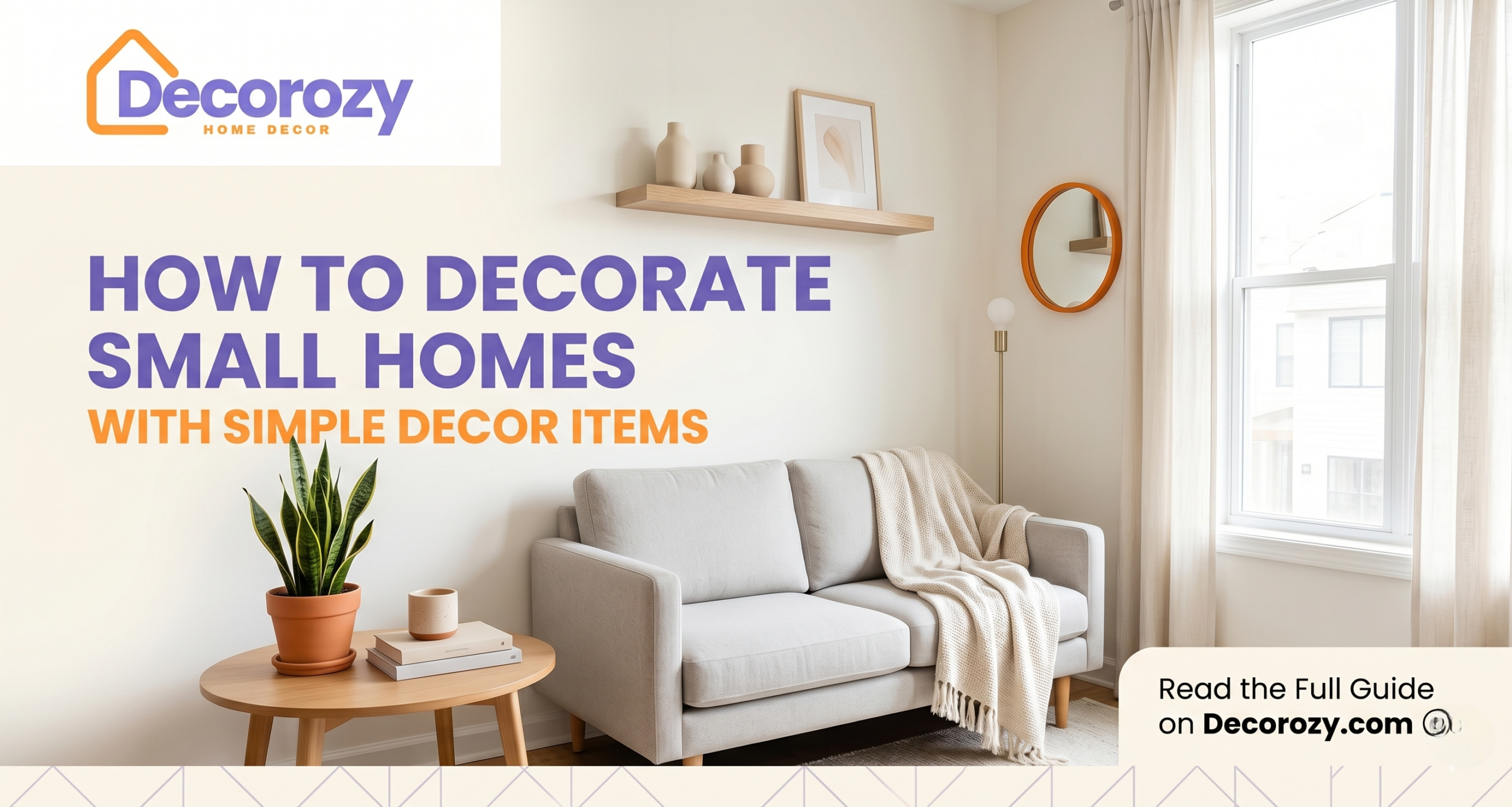
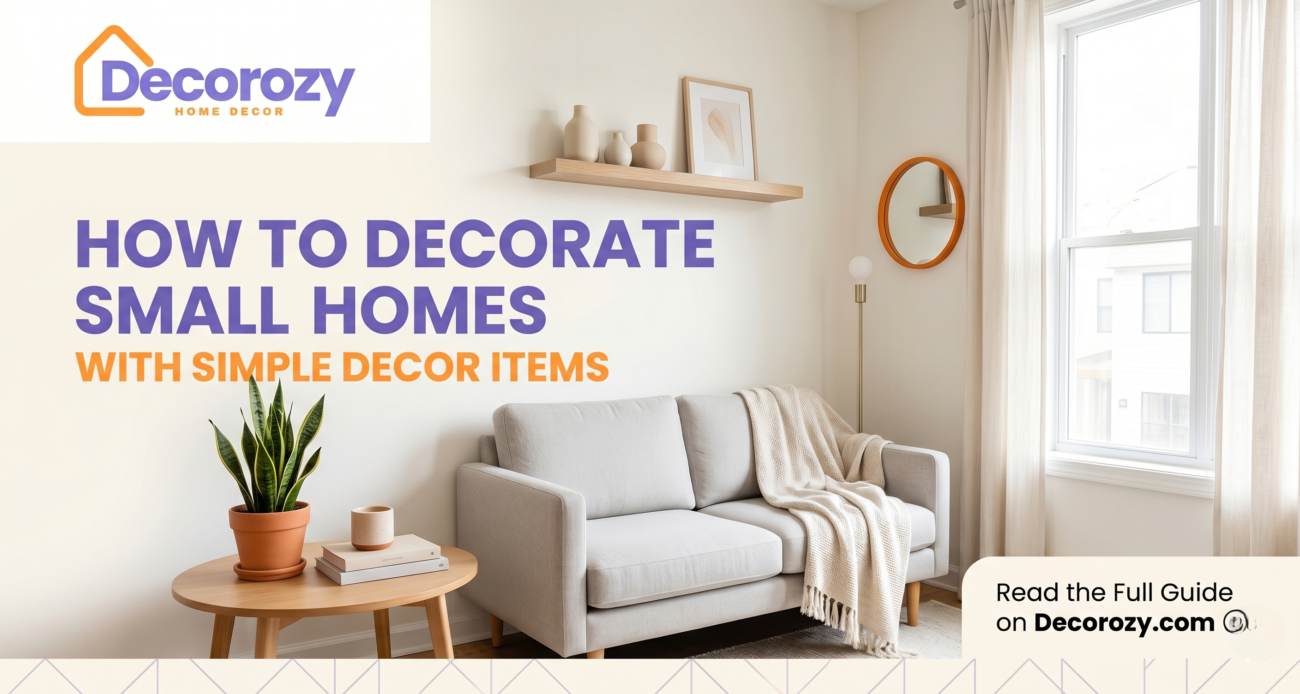
Expert Guide: How to Decorate Small Homes with Simple Decor Items
Navigating the complexities of interior design in compact spaces requires a highly strategic approach to visual balance. If you are wondering how to decorate small homes with simple decor items, you are not alone in this design challenge.
Urbanization has made compact living the modern standard, demanding innovative solutions for spatial limitations. By leveraging fundamental design principles, you can transform cramped quarters into expansive-feeling, elegant sanctuaries.
Quick Answer: To decorate small homes effectively, utilize multi-functional furniture, light color palettes, and vertical storage solutions. Incorporate strategic lighting and strategically placed mirrors to create the illusion of depth. Rely on minimalist, simple decor items to add personality without causing visual clutter.
The Fundamentals of How to Decorate Small Homes with Simple Decor Items
Understanding spatial dynamics is the first critical step in optimizing a compact floor plan. You must view every square inch as a valuable asset that requires a specific, intentional purpose.
When figuring out how to decorate small homes with simple decor items, proportion and scale become your most vital metrics. Oversized furniture instantly shrinks a room, while appropriately scaled pieces maintain a breathable atmosphere.
Focus on creating clear pathways to enhance the flow of traffic throughout the living space. Unobstructed sightlines trick the brain into perceiving a much larger, continuous environment.
A disciplined approach to minimalism is essential when selecting your fundamental layout. Every item introduced must earn its keep through either functional utility or profound aesthetic value.
Why Learning How to Decorate Small Homes with Simple Decor Items Matters
Mastering this specific design skill yields significant psychological and financial dividends. A well-organized, visually appealing home dramatically reduces cortisol levels and daily stress.
By utilizing simple, accessible pieces, you avoid the exorbitant costs associated with major architectural renovations. You achieve premium aesthetic results through strategic placement rather than expensive structural changes.
Furthermore, learning how to decorate small homes with simple decor items promotes sustainable consumption. You learn to curate a purposeful collection of high-quality pieces instead of accumulating disposable clutter.
This curated approach also makes cleaning and routine maintenance exponentially faster and easier. Your home transitions from a source of overwhelming chores into a streamlined, functional retreat.
Leveraging Light Color Palettes for Visual Expansion
Color theory plays a scientifically proven role in how the human eye perceives physical boundaries. Dark colors absorb light, visually pulling walls inward and creating a restrictive, cave-like feeling.
Conversely, light and neutral tones reflect both natural and artificial light with high efficiency. Crisp whites, soft grays, and pale creams blur the edges of a room, making walls recede.
Implement a monochromatic color scheme to create a seamless, uninterrupted visual flow. When the walls, trim, and ceiling share a similar light hue, the space feels instantly boundless.
You can then introduce depth and personality through textured fabrics rather than chaotic patterns. A textured throw or a woven basket adds essential warmth without compromising the expansive illusion.
Maximizing Vertical Space and Wall Real Estate
In compact living environments, horizontal floor space is a highly limited and precious commodity. To counteract this limitation, you must train your eye to look upward and utilize verticality.
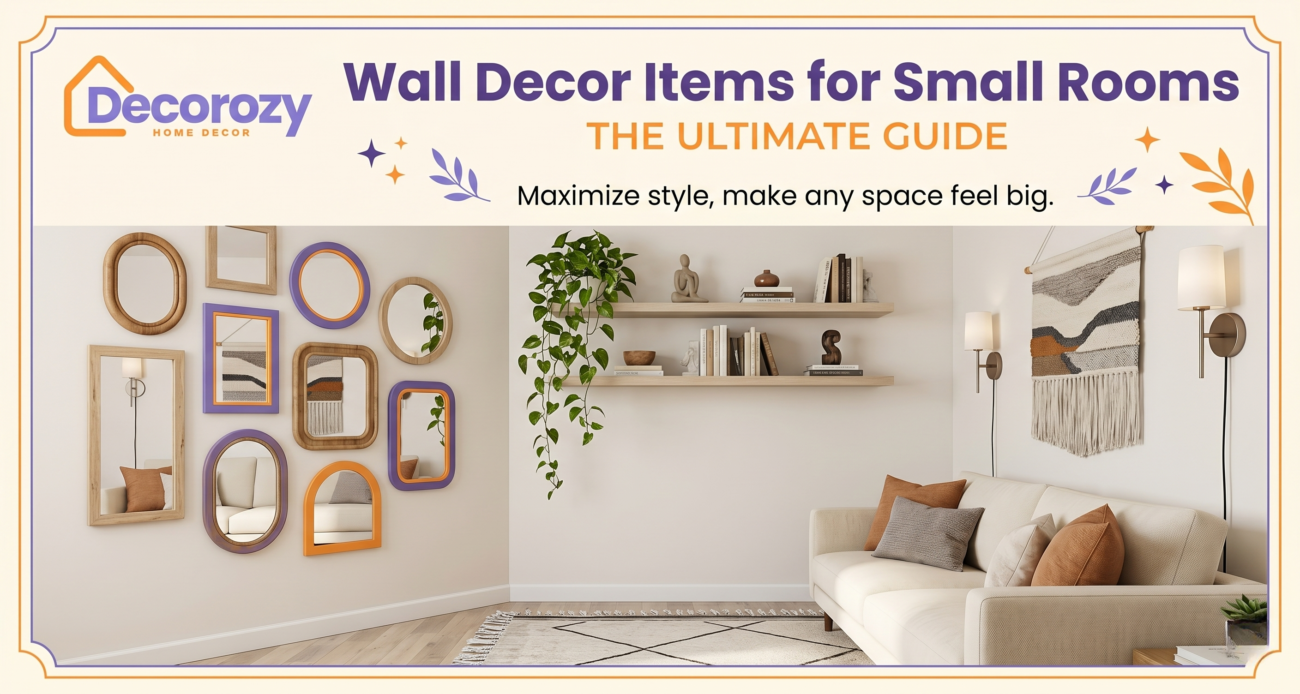
Install floating shelves high up on the walls to draw the viewer’s gaze toward the ceiling. This vertical distraction emphasizes the height of the room, counteracting limited square footage.
Use these shelves to display a curated selection of books, trailing plants, or minimalist ceramics. Keep the arrangements sparse and intentional to prevent the walls from feeling top-heavy or chaotic.
Floor-to-ceiling curtains are another powerful tool for emphasizing vertical space. Hang drapery hardware as close to the ceiling line as possible to elongate the windows.
The Strategic Power of Mirrors and Reflective Surfaces
Mirrors are arguably the most potent optical illusion available in the interior designer’s toolkit. They instantly double the visual depth of a room by reflecting light and architecture.
Place a large, oversized mirror directly across from your primary source of natural light. This placement effectively mimics a secondary window, flooding the space with bright, ambient illumination.
Do not limit yourself to standard wall mirrors; consider mirrored furniture or high-gloss finishes. Reflective acrylic tables or metallic accents bounce light around the room, adding a sophisticated gleam.
However, be mindful of what the mirror is actually reflecting in its frame. Ensure it reflects a tidy, visually pleasing vignette rather than a cluttered corner or messy desk.
Curating Multi-Functional Furniture
Furniture selection in a compact home demands a strict requirement for dual functionality. Single-use items are a luxury that limited floor plans simply cannot accommodate efficiently.
Invest in ottomans that feature hidden interior storage for blankets, electronics, or seasonal items. Choose nesting tables that can be easily tucked away when not in active use.
A high-quality sleeper sofa or a modern Murphy bed can seamlessly transform a living room into a guest bedroom. This flexibility is the cornerstone of intelligent, modern small-space living.
When selecting these pieces, prioritize designs with exposed legs rather than heavy, skirted bases. Seeing the floor continue beneath the furniture creates a lighter, more airy aesthetic.
Implementing Strategic and Layered Lighting
Relying solely on a single, harsh overhead fixture guarantees a flat, uninviting atmosphere. Proper illumination requires a layered approach, blending ambient, task, and accent lighting seamlessly.
Use floor lamps with slim profiles to illuminate dark corners, pushing the perceived boundaries outward. Warm-toned LED bulbs create a cozy, welcoming environment that feels professionally designed.
Wall sconces are excellent space-saving alternatives to bulky table lamps on bedside or end tables. They provide targeted illumination while keeping your valuable surface areas completely clear.
Backlighting your television or shelving units with LED strips adds architectural depth. This subtle glow creates a sophisticated, modern aesthetic without requiring any physical space.
The Art of Disciplined Accessorizing
When dealing with simple decor items, editing is far more important than acquiring. A strict “one in, one out” rule is highly recommended to maintain a balanced environment.
Group your small decorative objects using the “rule of three” for maximum visual impact. Odd numbers force the eye to move around the grouping, creating a dynamic, engaging display.
Utilize trays to corral disparate items like remote controls, candles, and coasters. A tray instantly transforms visual clutter into an organized, deliberate arrangement.
Embrace negative space—the empty areas between your objects and furniture pieces. This visual breathing room is just as important as the decor items you choose to display.
Transforming a compact house into a stylish, breathable home is entirely achievable with strategic planning. By applying these foundational design principles, you can maximize both function and aesthetic appeal. Ready to elevate your interior design journey? Explore our exclusive collections and premium design guides at Decorozy.com today to discover the perfect pieces for your space.
FAQ Schema
- Question 1: How can I make my small living room look bigger?
- Answer: You can make a small living room look bigger by utilizing a light, neutral color palette to reflect light. Incorporate large mirrors to create depth, use multi-functional furniture with exposed legs, and maximize vertical storage to keep floor space clear.
- Question 2: What are the best simple decor items for a tiny apartment?
- Answer: The best simple decor items for tiny apartments include minimalist floating shelves, sleek wall sconces, large floor mirrors, and textured throw pillows. Small indoor plants and geometric area rugs also add personality without causing visual clutter.
- Question 3: How do you accessorize a tiny bedroom without cluttering?
- Answer: Accessorize a tiny bedroom by keeping surfaces mostly clear and focusing on wall-mounted decor. Use wall sconces instead of bedside lamps, hang a single piece of statement art, and utilize under-bed storage boxes to keep the visible area pristine.