Understanding How Yajurveda Influences Hindu Culture Today
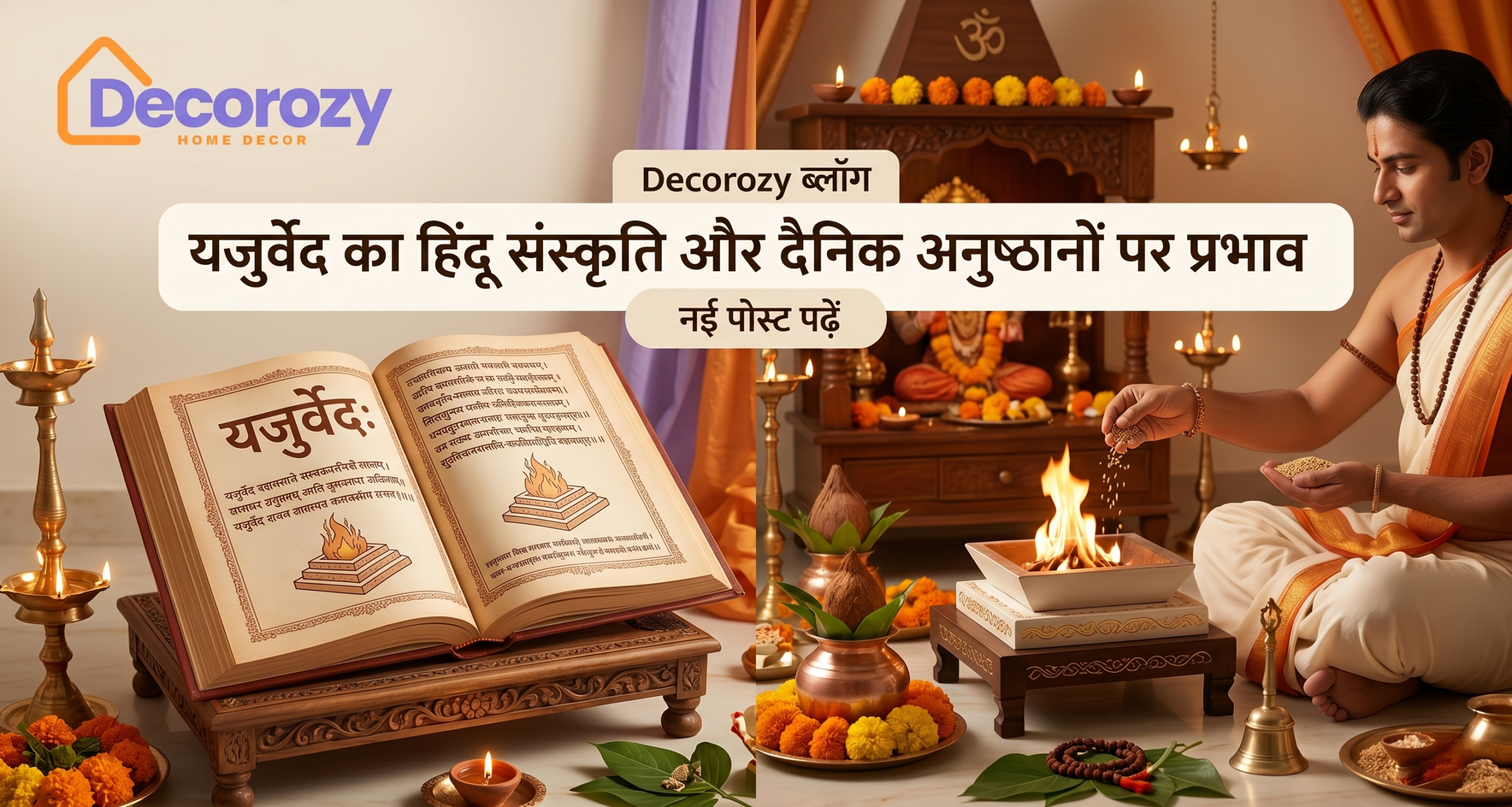
The ancient Vedic texts are the absolute cornerstone of spiritual traditions in India and across the globe. For centuries, scholars have dedicated themselves to uncovering exactly how Yajurveda influences Hindu culture in our modern era. This sacred text is far more than historical literature; it is a living blueprint for worship.
Quick Answer: The Yajurveda profoundly influences Hindu culture by providing the foundational scripts and precise instructions for religious rituals, sacrifices (Yajnas), and ceremonies. It acts as a comprehensive guidebook for priests, ensuring that ancient spiritual practices, rites of passage, and daily devotions are performed accurately across generations.
The Core Concept: How Yajurveda Influences Hindu Culture
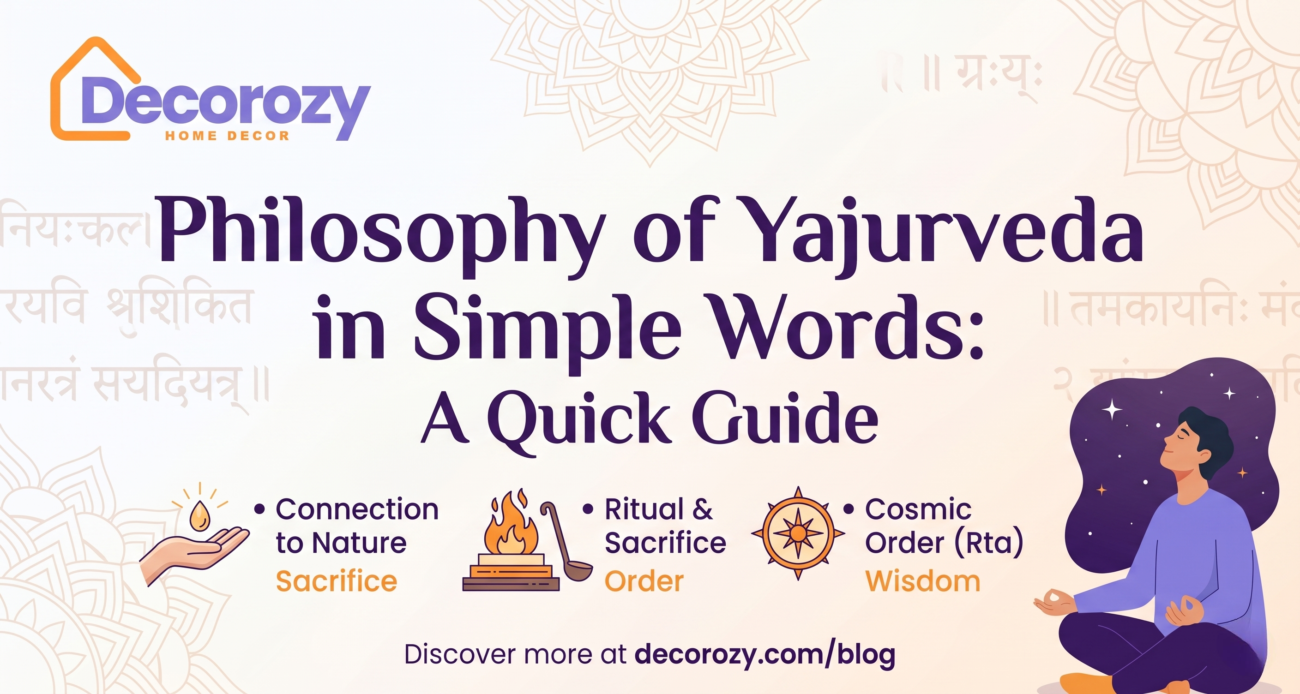
To grasp the depth of this ancient text, we must look at its practical, everyday application. The word Yajurveda translates directly to the “knowledge of sacrifice” or ritual formulas.
It stands apart from the Rigveda by focusing heavily on the actual mechanics of religious ceremonies. It provides the exact prose mantras that must be chanted by the Adhvaryu priests during complex rituals.
This meticulously detailed framework ensures that spiritual energy is channeled correctly during ceremonies. Ultimately, it forms the functional backbone of both grand temple worship and intimate domestic pujas.
Key Benefits: Why Understanding How Yajurveda Influences Hindu Culture Matters
Recognizing this profound historical influence brings immense meaning to our everyday actions. It transforms routine prayer from a mere cultural habit into a deeply connected spiritual science.
For those designing dedicated spiritual spaces, this knowledge is absolutely invaluable. Aligning your home shrine or meditation room with Vedic principles elevates the energy of the entire household.
Furthermore, exploring this rich heritage actively preserves ancient wisdom for future generations. It fosters a much deeper appreciation for the exact, meticulous nature of Hindu ceremonial practices.
Detailed Analysis: The Practical Impact on Modern Ceremonies
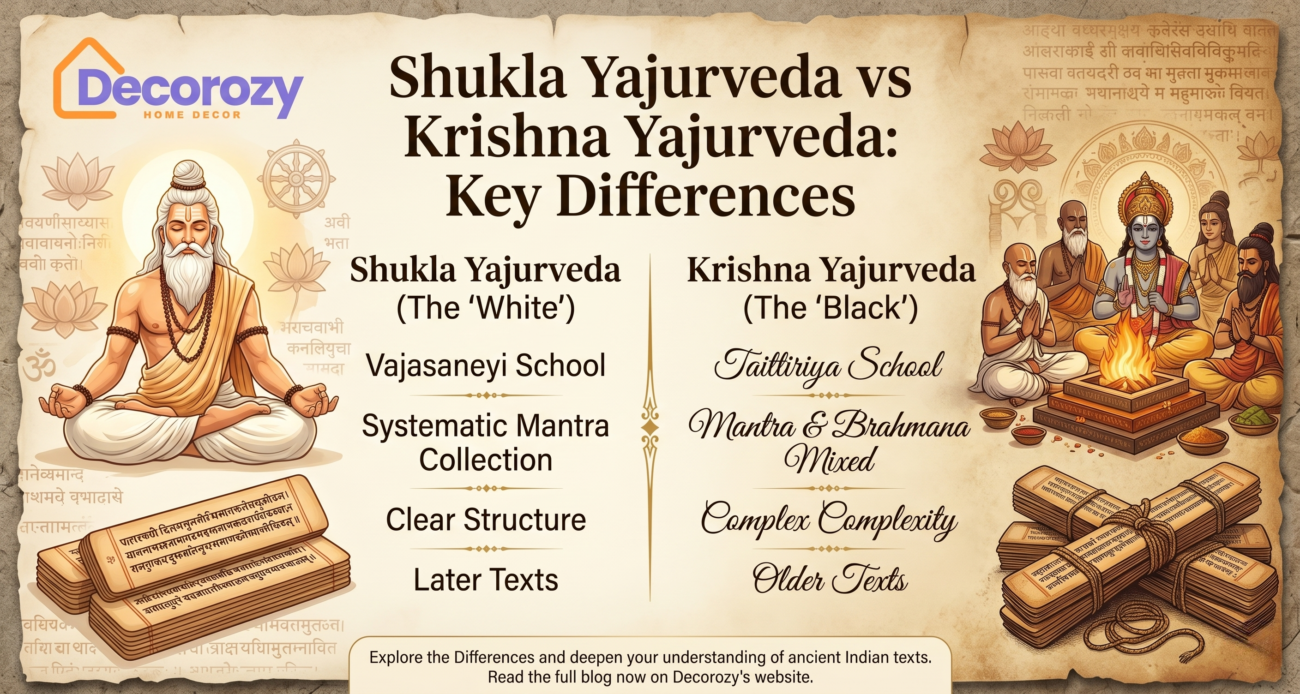
The Yajurveda is historically divided into two primary branches: the Shukla (White) and the Krishna (Black) Yajurveda. Both texts play a vital role in shaping traditional religious observances today.
The Shukla Yajurveda cleanly separates the explanatory matter from the actual ritual mantras. This clear, organized division makes it highly accessible for structuring large, public religious ceremonies.
Conversely, the Krishna Yajurveda integrates detailed commentary directly alongside the sacred verses. This format provides invaluable context for the priests executing intricate life-cycle rituals, known as Samskaras.
The enduring legacy of these sacred texts is visible in every Yajna, marriage ceremony, and housewarming ritual. By studying these ancient blueprints, we connect directly with the divine, structural architecture of our ancestors.
Ready to infuse your sacred spaces with authentic spiritual elegance and mindful design? Discover our exclusive style guides and premium collections at Decorozy.com today to elevate your home!
FAQ Schema
- Question 1: What is the primary purpose of the Yajurveda?
- Answer: The primary purpose of the Yajurveda is to serve as a practical guidebook for Hindu priests. It contains the exact ritual formulas, prose mantras, and step-by-step instructions required to properly perform religious ceremonies and fire sacrifices (Yajnas).
- Question 2: How does the Yajurveda affect daily Hindu rituals?
- Answer: It dictates the precise procedures, chants, and physical offerings used in daily worship. Even modern home pujas, marriage ceremonies, and rites of passage (Samskaras) are structured based on the foundational guidelines established in the Yajurveda.
- Question 3: What are the two main branches of the Yajurveda?
- Answer: The Yajurveda is divided into the Shukla (White) Yajurveda and the Krishna (Black) Yajurveda. The Shukla separates the mantras from the explanations, while the Krishna integrates the commentary and instructions directly within the verses.