Shukla Yajurveda vs Krishna Yajurveda: Understanding the Core Differences
The ancient Vedic texts offer profound insights into Hindu philosophy, ritualistic precision, and spiritual history. For theologians and spiritual enthusiasts alike, understanding the distinction between Shukla Yajurveda vs Krishna Yajurveda is an essential step. This guide breaks down their structural, historical, and philosophical differences.
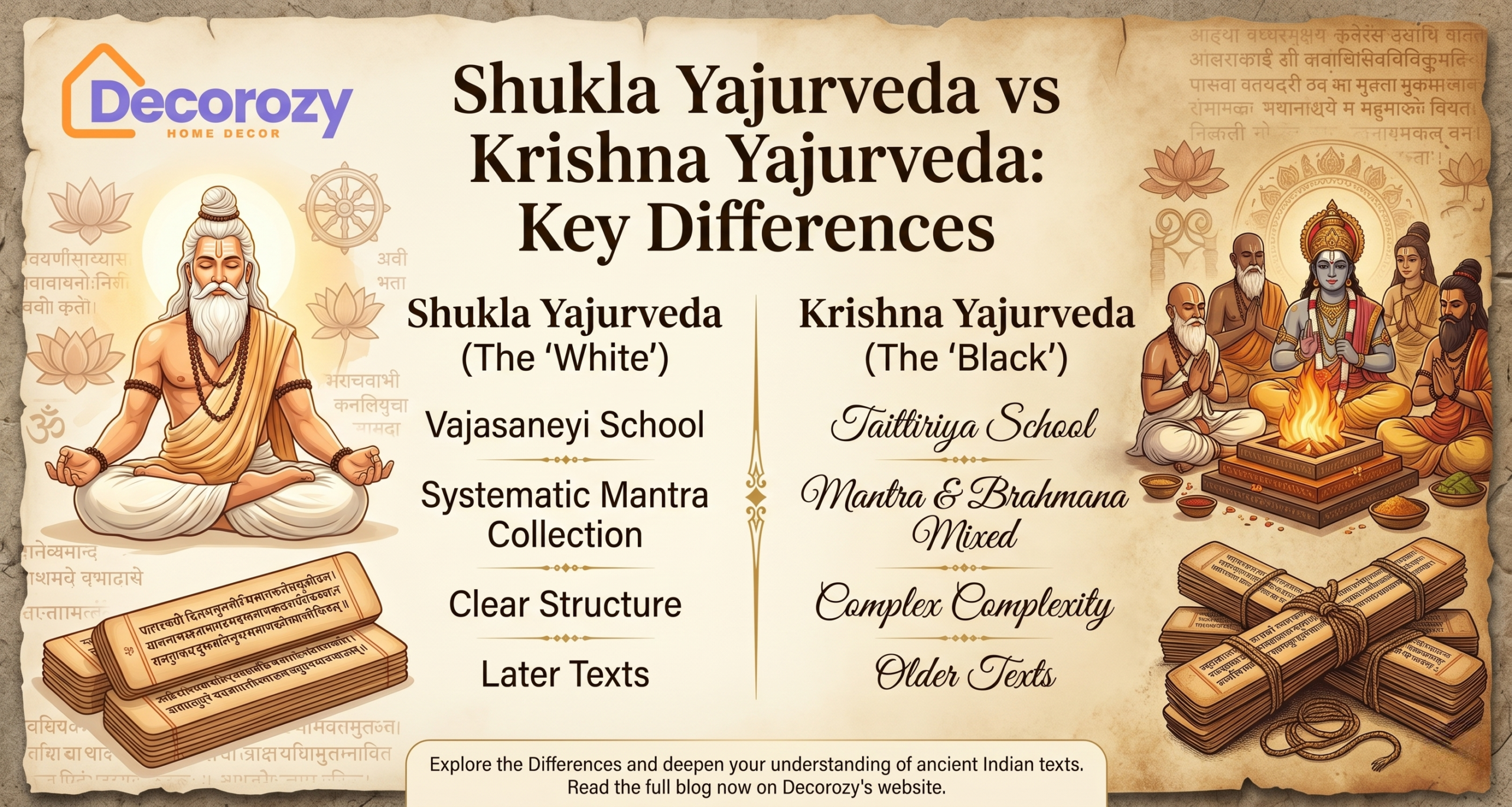
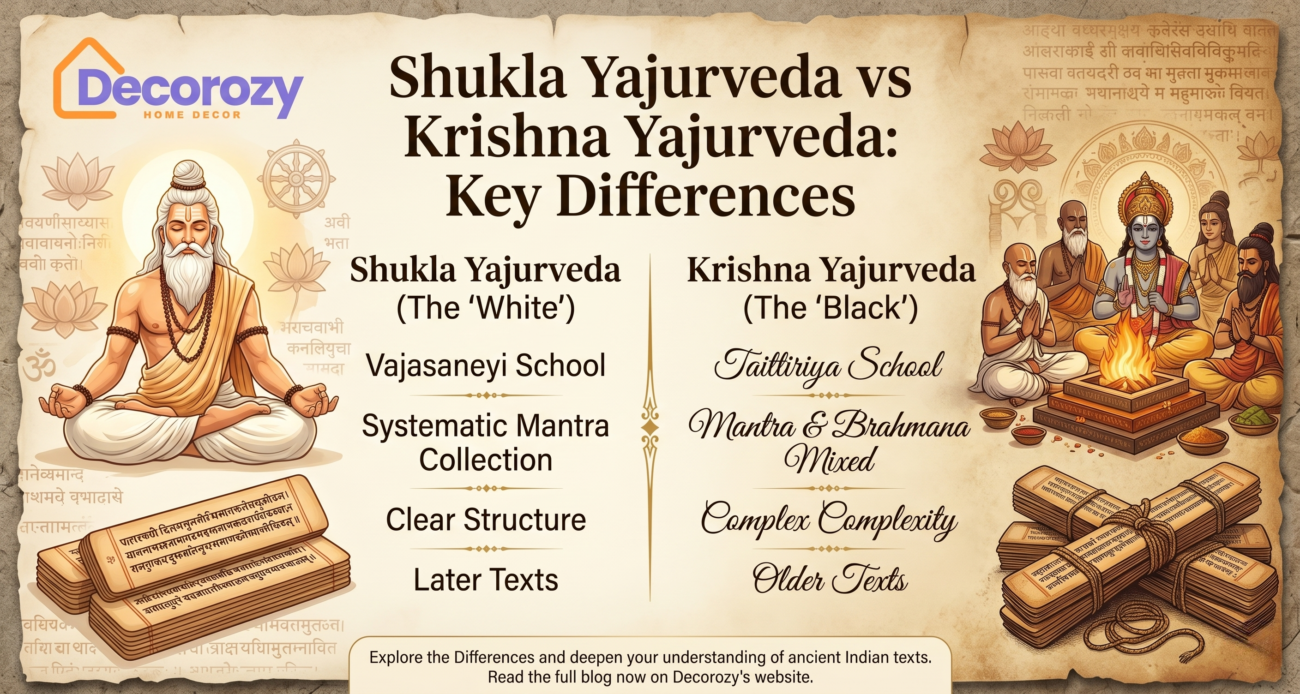
Quick Answer: The primary difference between Shukla Yajurveda vs Krishna Yajurveda lies in their structural organization. Shukla (White) Yajurveda clearly separates the mantras (verses) from the Brahmanas (ritual explanations). Conversely, Krishna (Black) Yajurveda features an intermingled, unarranged compilation of both prose and mantras.
The Core Concepts of Shukla Yajurveda vs Krishna Yajurveda
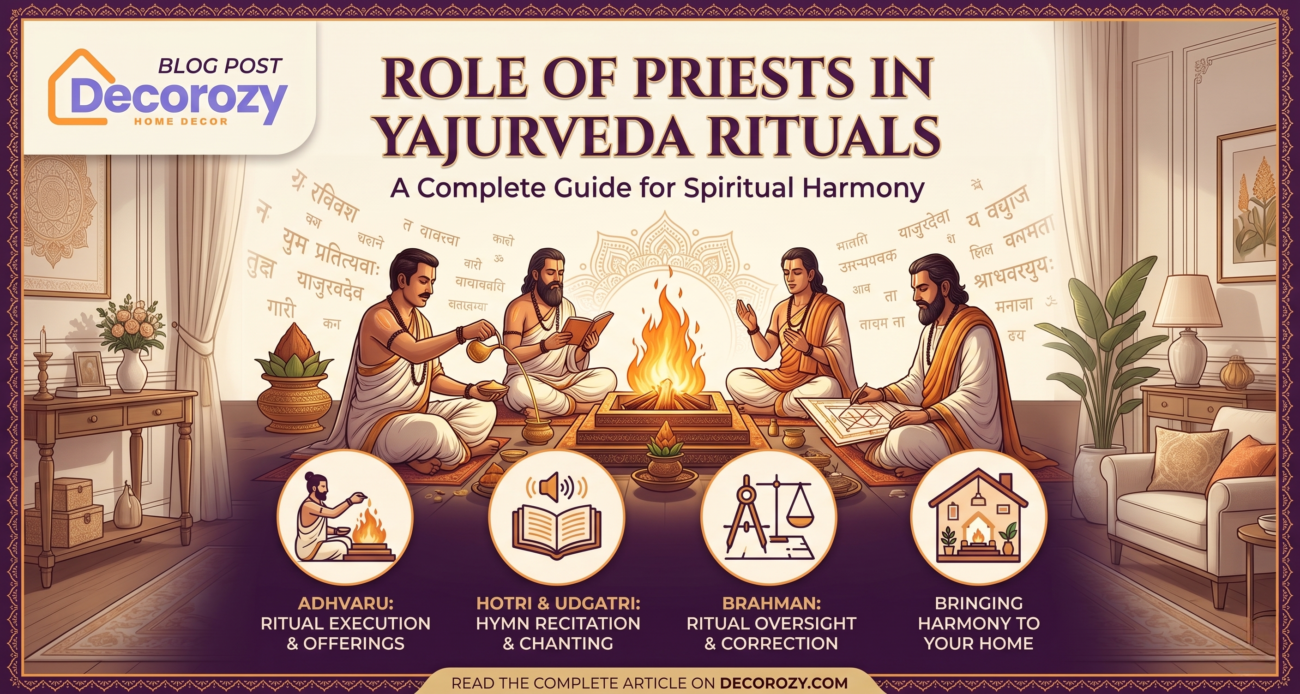
To fully grasp Shukla Yajurveda vs Krishna Yajurveda, we must examine their origins and structural clarity. The term Yajurveda translates roughly to the knowledge of worship and sacrifice. It served as a highly practical guidebook for the Adhvaryu priests conducting sacred fire rituals (Yajnas).
The Krishna Yajurveda, translating to the “Black” or “Dark” Yajurveda, represents the older, unarranged version of the text. In this context, the term “dark” does not imply negativity. Instead, it refers to a disorganized, complex mixture of theological literature.
Within the Black Yajurveda, the poetic mantras and the instructional prose (Brahmanas) are heavily intertwined and fused together. This intermingled structure demands profound guidance from a learned Guru to properly decipher the ritualistic context and execution.
In contrast, the Shukla Yajurveda, or “White” Yajurveda, implies illumination, clarity, and precise arrangement. Sage Yajnavalkya is universally credited with receiving this well-organized text directly from the Sun God, Surya.
The White Yajurveda meticulously separates the poetic mantras from the instructional prose. By isolating the Vajasaneyi Samhita (the core mantras) from its corresponding Brahmanas, it creates a highly structured and accessible text.
Historical Importance of Shukla Yajurveda vs Krishna Yajurveda
The historical divergence between Shukla Yajurveda vs Krishna Yajurveda highlights the fascinating evolution of ancient Vedic transmission. According to traditional lore, a fierce theological dispute between Sage Vaisampayana and his disciple Yajnavalkya caused the initial split.
Yajnavalkya was forced to regurgitate his teachings, which other disciples then consumed in the form of partridges (Tittiri). This mythological event directly led to the creation of the Taittiriya Samhita, the most prominent recension of the Krishna Yajurveda.
Because the consumed knowledge was jumbled, the resulting text remained a complex, mixed compilation. This origin story perfectly demonstrates how ancient oral traditions were intensely guarded, memorized, and preserved over millennia.
The Shukla Yajurveda emerged slightly later as a direct, divine revelation to Yajnavalkya. This event fundamentally reformed the text’s accessibility and logical flow. This systemic clarity significantly aided later Vedic scholars in mastering complex sacrificial rituals without confusion.
Detailed Analysis: Surviving Recensions and Texts
When analyzing the depth of these two Vedic branches, observing their surviving recensions (Shakhas) provides critical context. The Krishna Yajurveda originally boasted 85 distinct schools across ancient India. Today, only four main recensions survive in active practice.
These four surviving texts include the Taittiriya, Maitrayani, Kathaka, and Kapishthala Samhitas. These Krishna Yajurveda texts are predominantly studied in Southern India. Notably, they uniquely omit mentions of the Rigvedic deity Ushas and lack a traditional index (Anukramani).
Conversely, the Shukla Yajurveda is primarily practiced by scholars in Northern India. It actively maintains two nearly identical surviving recensions: the Madhyandina and the Kanva. These texts offer unparalleled systematic precision for sacrificial rites.
Furthermore, some of the most profound philosophical texts in Hinduism stem from this branch. The famous Brihadaranyaka Upanishad and the Isha Upanishad are both directly derived from this highly organized, “bright” Vedic lineage.
In summary, exploring the intricate depths of these ancient scriptures reveals the magnificent complexity of Indian wisdom. Whether studying the mysterious, intertwined verses of the Black Yajurveda or the highly methodical chapters of the White Yajurveda, both offer profound spiritual value.
Are you looking to elevate your understanding of ancient history, or seeking to bring spiritual aesthetics into your home? Explore our comprehensive lifestyle guides at Decorozy.com to transform your living space into a sanctuary of knowledge!
FAQ Schema
- Question 1: What do “Shukla” and “Krishna” mean in the context of the Yajurveda?
- Answer: “Shukla” means white or bright, referring to the clear, organized separation of mantras and prose. “Krishna” means black or dark, representing the unarranged, intermingled mixture of verses and ritual instructions.
- Question 2: Who is the original founder of the Shukla Yajurveda?
- Answer: Sage Yajnavalkya is credited as the founder of the Shukla Yajurveda. After a dispute with his teacher, he received this newly organized, systematic revelation directly from the Sun God, Surya.
- Question 3: Which recensions of the Yajurveda are most popular today?
- Answer: For the Krishna Yajurveda, the Taittiriya Samhita is the most widely studied recension, especially in South India. For the Shukla Yajurveda, the Vajasaneyi Madhyandina and Kanva recensions are highly prevalent.