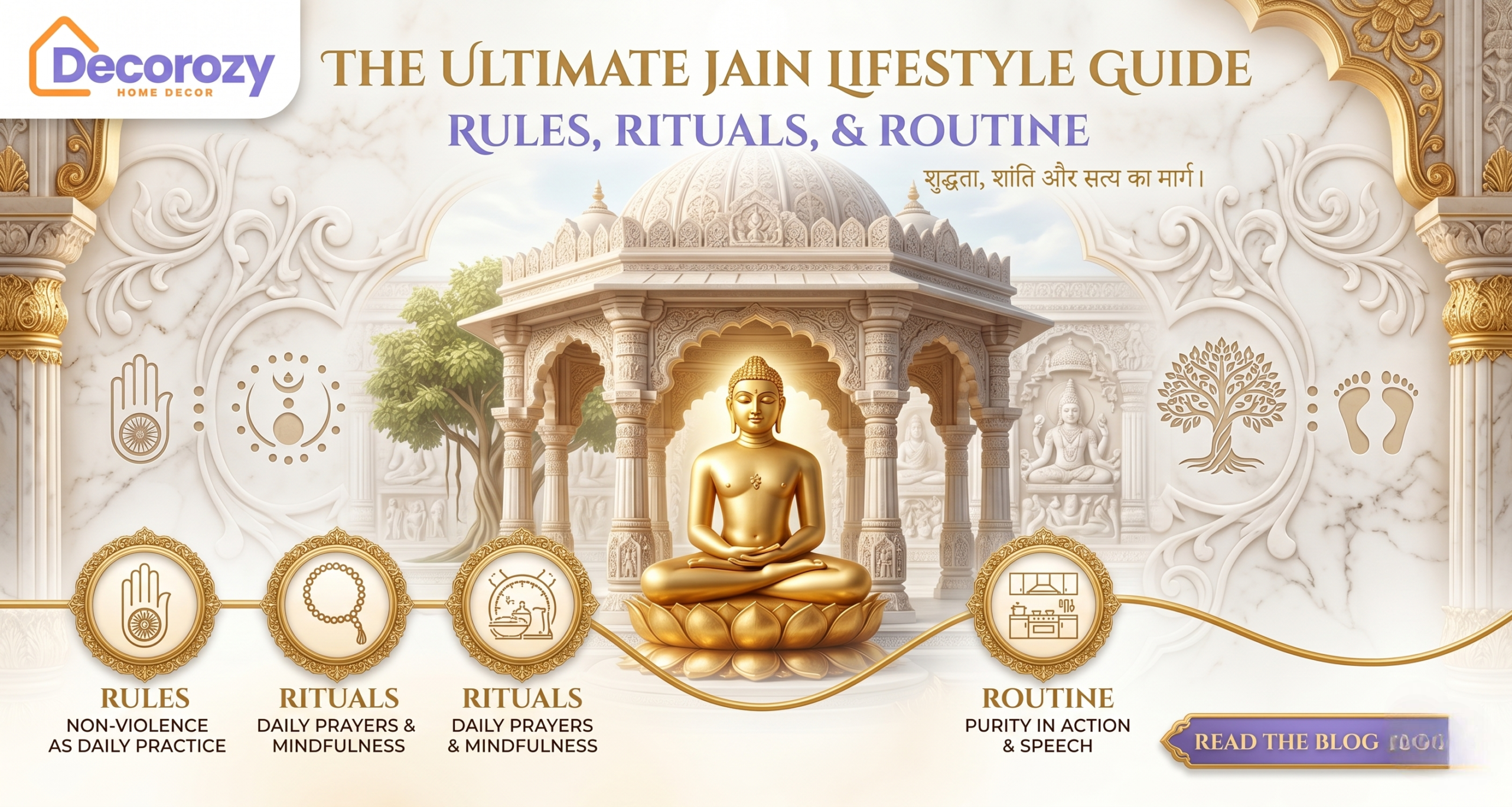
The Complete Guide to the Jain Lifestyle: Rules and Daily Routine
Adopting a jain lifestyle is a profound journey of non-violence, strict discipline, and ongoing spiritual awakening. Millions worldwide practice this ancient Indian religion, focusing heavily on mindful and ethical living. In this comprehensive guide, we will explore the profound aspects of Jain daily life and its core principles.
Quick Answer: The Jain lifestyle centers on Ahimsa (non-violence), strict vegetarianism, and disciplined daily spiritual routines. Followers strictly observe specific jainism rules, perform meditation, and visit a jain worship place to achieve spiritual purity, actively minimizing harm to all living beings.
Core Jainism Rules That Define the Jain Lifestyle
To truly understand the jain lifestyle, one must deeply analyze its foundational spiritual vows. These five main vows guide every single action, thought, and word of a devout follower. Ahimsa, or extreme non-violence, is the absolute core of all jainism rules and practices.
Satya (truthfulness) and Asteya (non-stealing) govern ethical daily interactions in modern society. Brahmacharya (chastity) and Aparigraha (non-attachment) complete these profound spiritual guidelines. By following these rules, individuals cultivate a deeply peaceful and mindful daily existence.
Ahimsa extends far beyond physical actions, encompassing non-violence in thought and daily speech. This principle dictates the dietary choices, professional careers, and daily habits of every jain. Even the smallest, unseen microscopic organisms are deeply respected and protected under these rigorous ethical frameworks.
Daily Routine and Rituals in a Jain Lifestyle
A well-structured daily routine is absolutely essential for maintaining the jain lifestyle properly. Mornings often begin long before sunrise with profound meditation and quiet self-reflection. Devotees frequently visit a jain worship place, traditionally known as a Derasar or Basadi.
During these peaceful morning visits, followers perform a highly detailed jain puja or jain pooja. These sacred rituals are designed to express pure devotion and reflect on the path to spiritual liberation. If you are currently wondering jain worship which god, it is crucial to understand their unique theology.
Jains do not worship a universe-creating deity; instead, they deeply revere the 24 Tirthankaras. These are spiritually liberated souls who have successfully conquered the endless cycle of karmic rebirth. Jainism rituals vary among sects, but all consistently emphasize inner purity and total non-violence.
Practitioners often study sacred texts and listen to spiritual discourses during the afternoon hours. A notable public figure, like pooja jain, might exemplify how modern individuals seamlessly integrate these practices. Such dedicated rituals keep the mind actively focused on continuous spiritual growth throughout a busy workday.
Understanding the Jainism Dress Code and Ethical Diet
The jainism dress code varies greatly depending on an individual’s specific level of worldly renunciation. Monks and nuns follow a remarkably strict jainism dress code, often wearing simple, unstitched white garments. Some highly advanced monks, particularly in the Digambara sect, practice complete nudity to signify total non-attachment.
For everyday laypeople, modest, clean, and unstitched clothing is highly encouraged during temple worship. A vital part of daily life is adhering to a rigorous, specialized, and highly ethical vegetarian diet. Root vegetables like onions, garlic, and potatoes are avoided completely to prevent harming subterranean microscopic life.
Drinking water is frequently boiled and carefully filtered before consumption to ensure no microorganisms are ingested. Meals are traditionally consumed only during daylight hours, a strict practice known as Chauvihar. This timing prevents the accidental consumption of small insects that are naturally attracted to light sources after dusk.
The Psychological and Physical Benefits of the Jain Lifestyle
Beyond achieving spiritual liberation, there are immense physical and mental benefits to walking this path. The specialized plant-based diet is naturally rich in essential nutrients, promoting excellent cardiovascular health. Regular fasting, a very common practice, aids in cellular regeneration and deep bodily detoxification.
Mentally, the constant practice of mindfulness significantly reduces stress and modern societal anxiety. The heavy emphasis on non-attachment fosters a sense of immense gratitude and financial contentment. It actively teaches individuals to find true, lasting happiness within, rather than in fleeting material possessions.
Architecture and Aesthetics of a Jain Worship Place
The architectural brilliance of a jain worship place reflects deep spiritual devotion and unmatched artistic mastery. Intricate marble carvings and perfectly symmetrical geometric designs absolutely dominate these sacred, peaceful spaces. These breathtaking temples serve as magnificent inspiration for those seeking serene and mindful interior aesthetics.
Every crafted pillar and grand dome is meticulously designed to tell the stories of the liberated Tirthankaras. The atmosphere inside is deliberately constructed to calm the active mind and encourage deep, uninterrupted meditation. This strict commitment to aesthetic purity and spiritual tranquility aligns perfectly with the mindful design philosophies we champion.
Embracing these ancient traditions brings profound peace, ethical clarity, and vibrant energy to modern living. From mindful eating to daily worship, every single action is carefully considered and purposefully executed. For more insights into mindful living and creating harmonious home environments, explore Decorozy.com today.
FAQ Schema
- Question 1: What are the five main jainism rules?
- Answer: The five core jainism rules are Ahimsa (non-violence), Satya (truthfulness), Asteya (non-stealing), Brahmacharya (chastity), and Aparigraha (non-attachment).
- Question 2: If you ask jain worship which god, who do they revere?
- Answer: Jains do not worship a creator god. Instead, they deeply revere the 24 Tirthankaras, who are spiritually enlightened, liberated human souls who have escaped the cycle of rebirth.
- Question 3: What happens during a daily jain puja?
- Answer: A jain pooja or jain puja is a daily ritual performed at a jain worship place, involving offerings, chanting, and meditation dedicated to the Tirthankaras to seek spiritual inspiration.
✨ Popular Categories
Browse our most loved collections of handcrafted home décor, divine idols, pooja essentials and exclusive decorative products.
View Deals →
🛕 Divine Collection
Bring peace and positivity with beautifully crafted idols.
Shop God Idols →
💰 Lakshmi Collection
Elegant Lakshmi idols symbolizing wealth and prosperity.
View Products →
🎨 Indian Handicrafts
Traditional handcrafted décor made by skilled artisans.
Explore Now →
🦌 Animal Decor
Unique decorative animal figurines for modern interiors.
Discover More →
🏠 Home Store
Explore our complete range of premium home décor products.
Visit Store →
🪔 Pooja Essentials
Everything you need for daily worship and festive rituals.
Shop Essentials →