The Ultimate Guide to Ancient Indian Knowledge vs Modern Science
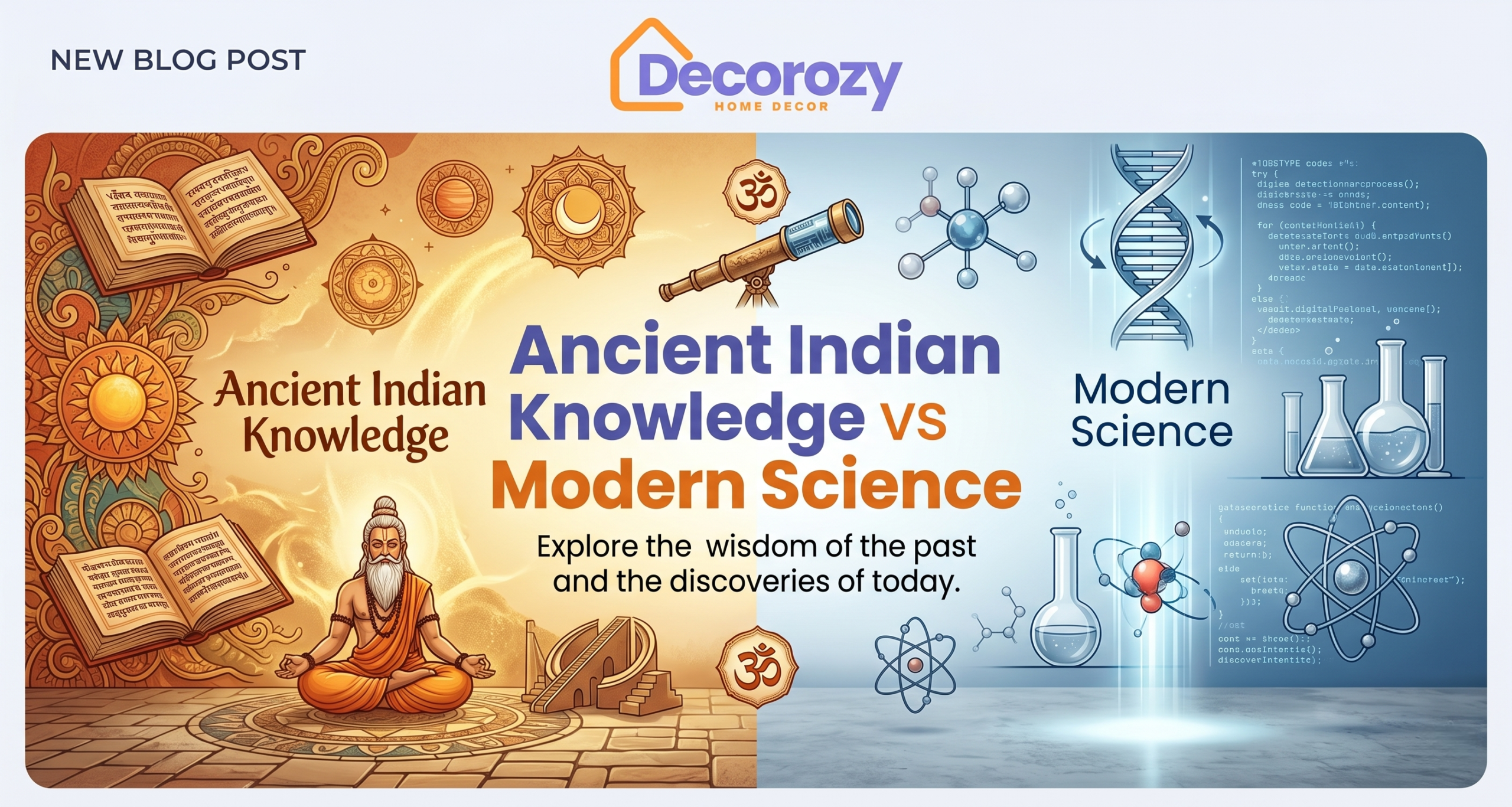
Humanity has always sought to understand the universe and our place within it. Today, the debate surrounding ancient indian knowledge vs modern science continues to captivate scholars and researchers alike.
Many are surprised to learn that ancient texts hold secrets we are just now uncovering. As we dive into this fascinating intersection, we can see how history shapes modern innovation.
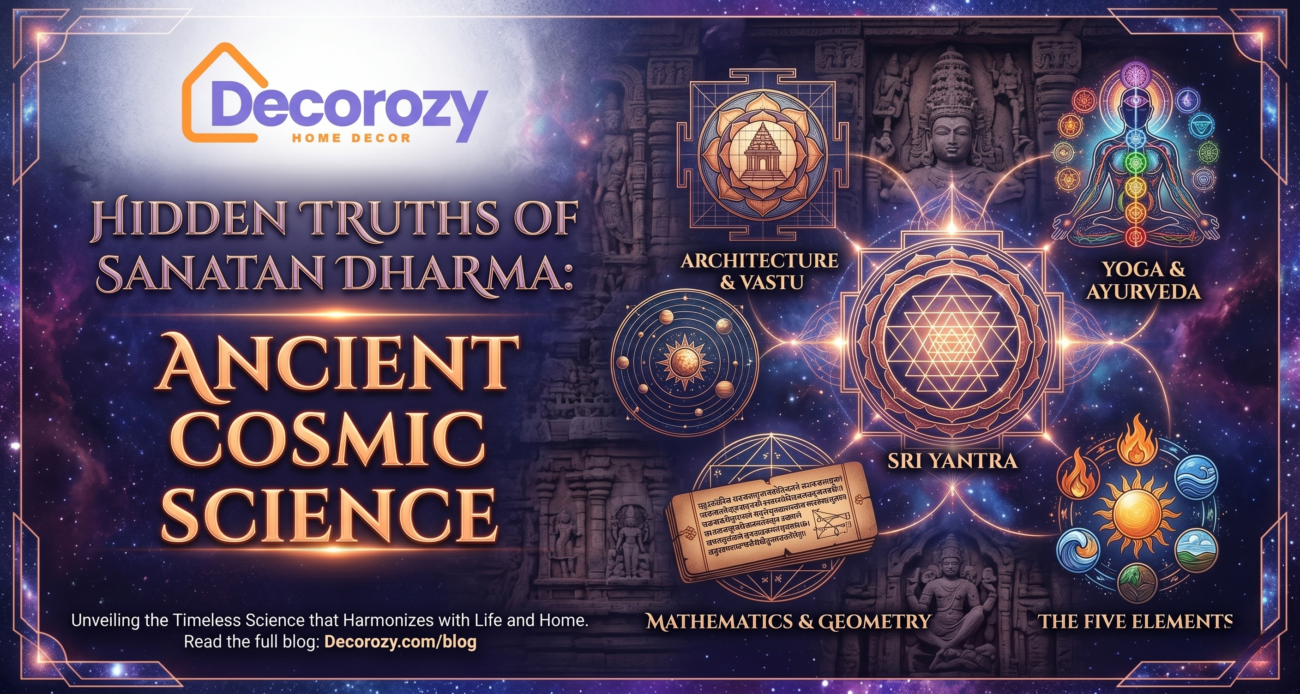
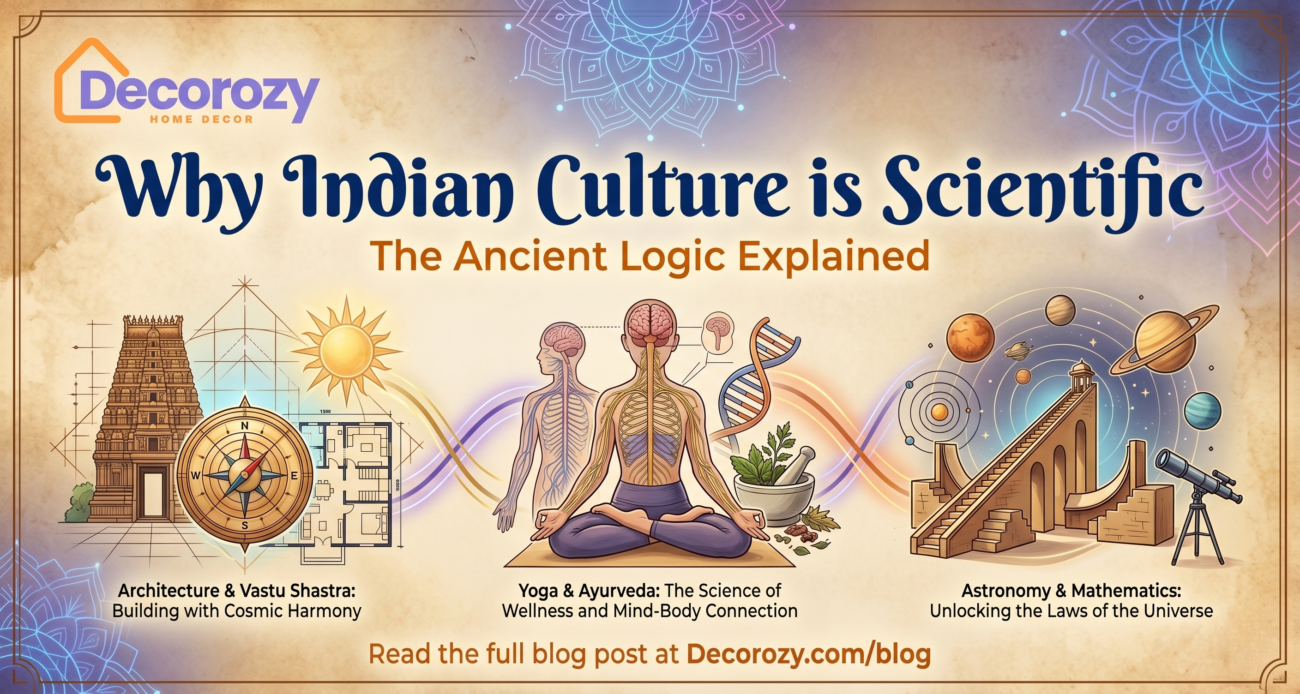
Quick Answer: When comparing ancient indian knowledge vs modern science, we find remarkable parallels. Ancient Vedic texts accurately described complex astronomical, mathematical, and medical concepts millennia ago. Today, modern scientific methods increasingly validate these historical insights, proving their profound, lasting relevance to contemporary research.
The Core of Ancient Indian Knowledge vs Modern Science
To understand this dynamic, we must first look at how knowledge was historically gathered. Ancient scholars relied on intense observation, meditation, and philosophical reasoning.
These early methods produced vast texts, such as the Vedas and Upanishads. They contained detailed observations about the natural world, human anatomy, and cosmic cycles.
Modern science, conversely, relies on the empirical method. It uses technological instruments, peer-reviewed data, and rigorous experimentation to verify hypotheses.
Key Parallels in Ancient Indian Knowledge vs Modern Science
One of the most striking overlaps occurs in the field of quantum physics. Several prominent physicists have noted similarities between quantum mechanics and Vedic philosophy.
Concepts of universal interconnectedness found in ancient scriptures mirror the modern understanding of quantum entanglement. This suggests a deep, intuitive grasp of reality by early thinkers.
While ancient texts used metaphorical language, their core truths often align with contemporary scientific principles. It is a brilliant example of philosophy pre-dating technological proof.
Mathematics and Astronomy in Early Civilizations
Ancient India made unparalleled contributions to global mathematics. The invention of zero and the decimal system revolutionized numerical calculation forever.
Scholars like Aryabhata accurately calculated the value of pi and the solar year. He achieved this centuries before modern telescopes or computers were even conceptualized.
Today, these mathematical foundations are the bedrock of modern algorithms, computer science, and space exploration. Without these early discoveries, our current technological landscape would not exist.
Medicine: Ayurveda and Modern Healthcare
Ayurveda is one of the world’s oldest holistic healing systems. It focuses on balancing the mind, body, and spirit to prevent disease and promote longevity.
Historically dismissed by some western practitioners, modern medicine is now validating many Ayurvedic practices. The benefits of turmeric, ashwagandha, and mindful meditation are now heavily researched.
Modern pharmacology frequently isolates active compounds from plants first identified in ancient Indian texts. This creates a powerful synergy between historical herbalism and clinical healthcare.
The Future of Integrating Both Worlds
The synthesis of these two paradigms offers immense potential for future breakthroughs. By respecting historical wisdom, we can guide modern ethical frameworks.
Researchers are increasingly adopting a holistic view of ecology and human biology. This approach echoes the ancient Indian belief in living harmoniously with nature.
Ultimately, bridging this gap leads to a more comprehensive understanding of our universe. It proves that technological advancement and ancient wisdom can thrive together.
As we continue to explore the cosmos and our own biology, the synergy between past and present becomes undeniable. Embracing both perspectives allows us to innovate responsibly while honoring the profound wisdom of our ancestors.
Thank you for exploring this fascinating topic with us at Decorozy.com. Be sure to explore our other articles for more deep dives into the knowledge that shapes our world!
FAQ Schema
- Question 1: How does ancient Indian science compare to modern science?
- Answer: Ancient Indian science relied on deep philosophical reasoning, observation, and holistic frameworks recorded in texts like the Vedas. Modern science uses empirical methods, technology, and rigorous testing. Despite different approaches, both often arrive at similar conclusions regarding the universe and human health.
- Question 2: Did ancient Indians know about quantum physics?
- Answer: While they did not use modern mathematical formulas, ancient Indian philosophers described the universe’s interconnectedness and the illusion of solid matter in ways that strikingly mirror modern concepts of quantum mechanics and entanglement.
- Question 3: Is Ayurveda recognized by modern science?
- Answer: Yes, modern science increasingly recognizes and validates Ayurveda. Clinical studies have proven the efficacy of many traditional Ayurvedic herbs, such as turmeric and ashwagandha, integrating these ancient holistic treatments into modern pharmacological and wellness practices.