


Guide to the Festivals of Assam: Bihu and Cultural Celebration

Guide to the Festivals of Assam: Bihu and Cultural Celebration

uide to the Festivals of Assam: Bihu and Cultural Celebration

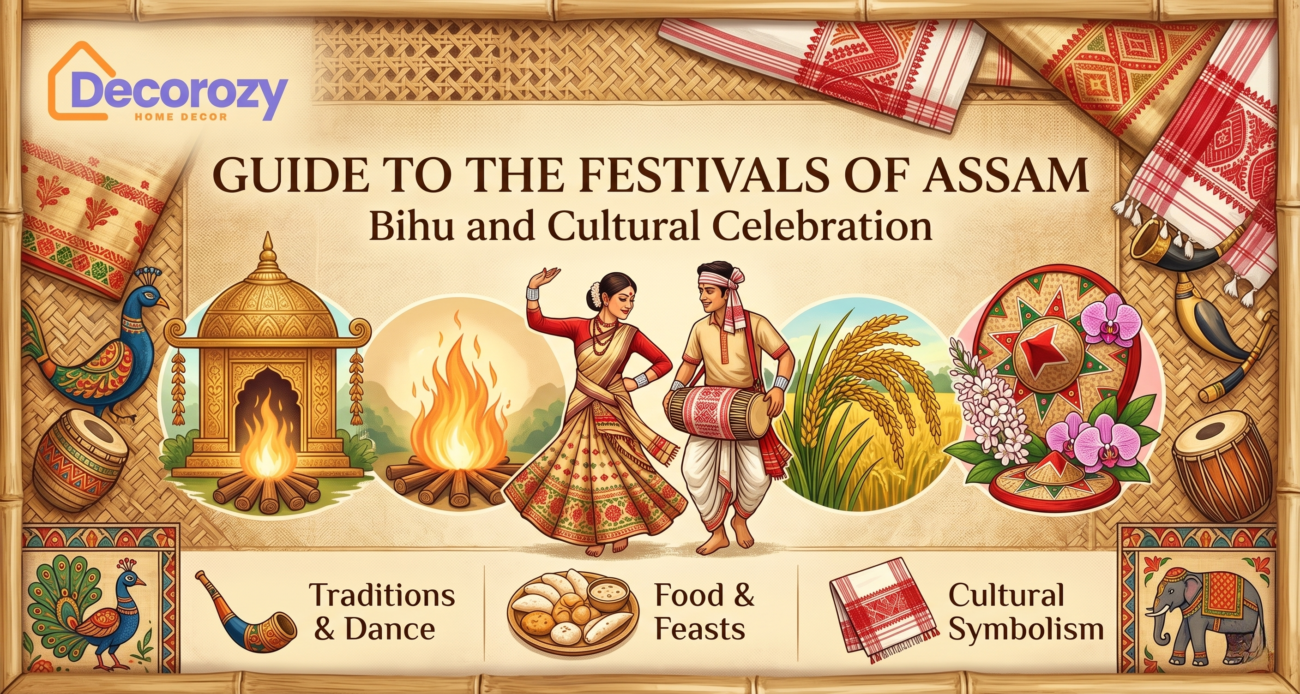
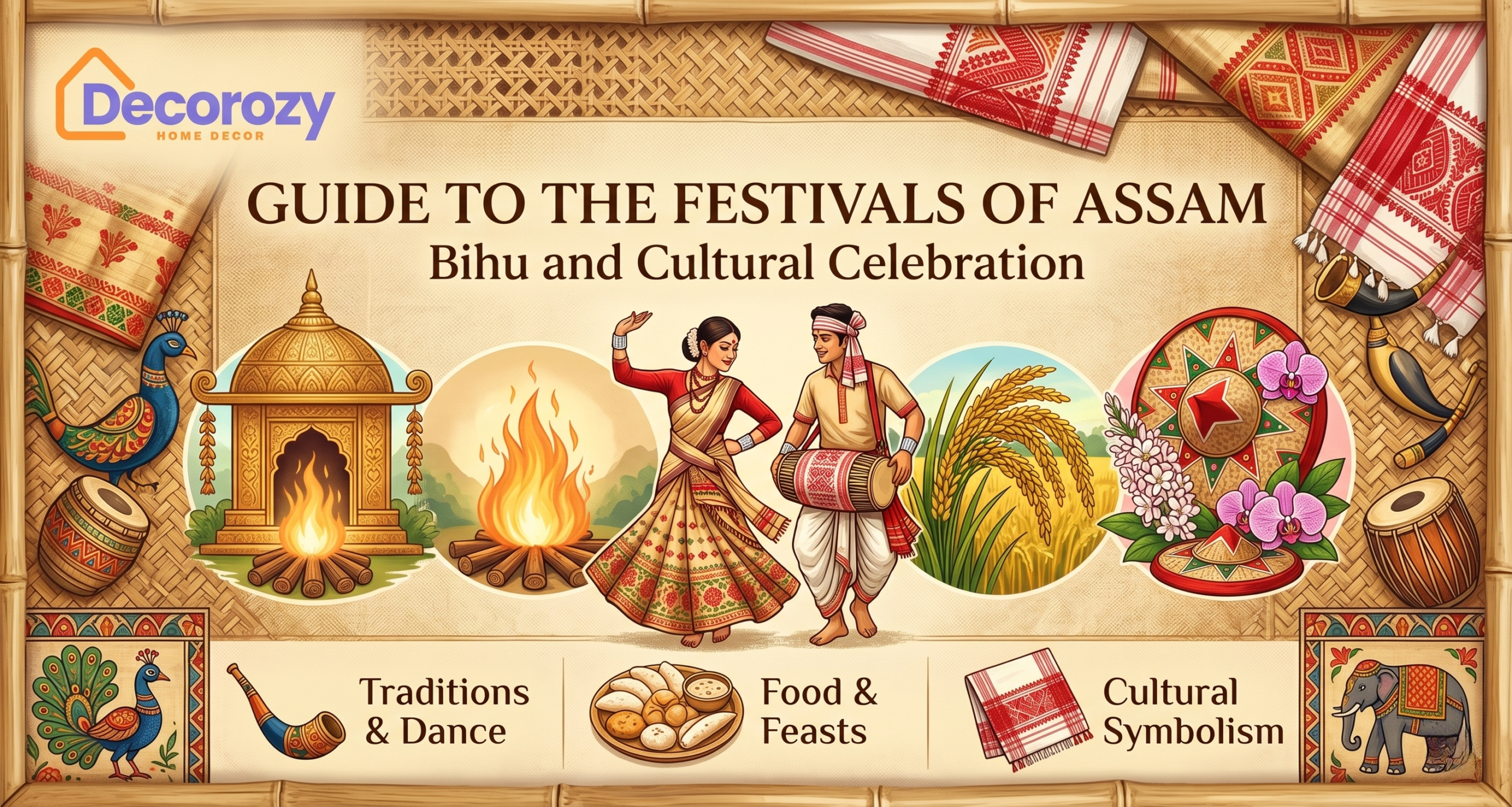
Assam, a vibrant state in Northeast India, is renowned for its rich heritage and diverse ethnic tapestry. The heart of this regional identity beats loudly through the festivals of assam: bihu and cultural celebration. These events are not just seasonal shifts, but profound expressions of communal harmony and agrarian joy.

Quick Answer: The festivals of Assam primarily revolve around Bihu, a set of three agrarian festivals: Rongali (Spring), Kati (Autumn), and Magh (Winter). These cultural celebrations feature traditional folk dances, community feasts, and rituals that highlight Assam’s rich agricultural heritage and deep ethnic unity.

Core Traditions in the Festivals of Assam: Bihu and Cultural Celebration

Bihu is the undisputed cultural lifeline of the Assamese people. It transcends religious and caste boundaries, uniting the entire state in a shared, jubilant spirit.

The festival is intrinsically tied to the traditional farming cycle. It reflects the deep, historic connection between the indigenous population and their agricultural roots.

Each phase of Bihu marks a crucial point in the rice cultivation process. This rhythm transforms hard agricultural labor into moments of joyous community bonding.

The Importance of the Festivals of Assam: Bihu and Cultural Celebration

These festivals play a critical role in preserving Assamese cultural identity. They act as a living, breathing museum for traditional music, folk dance, and indigenous handlooms.

The iconic Bihu dance, set to the rhythmic beats of the dhol and pepa, is globally recognized. It showcases the artistic brilliance of Northeast India to an international audience.

Furthermore, these events significantly boost the local economy and tourism sector. Artisans, traditional weavers, and local food vendors thrive during these peak festive seasons.

A Closer Look at the Three Bihu Festivals

Rongali Bihu, also known as Bohag Bihu, welcomes the Assamese New Year in April. It is the most colorful celebration, characterized by vibrant dances, new clothes, and traditional feasts.

Kati Bihu, observed in October, is a much more solemn affair. Farmers light earthen lamps, known as saki, in the paddy fields to protect their ripening crops from pests and pray for a good yield.

Magh Bihu, celebrated in January, marks the end of the harvesting season. It is a festival of food, featuring towering community bonfires (meji) and traditional Assamese sweets like pitha and laru.

Experiencing the vibrant traditions of Assam offers a profound glimpse into India’s diverse cultural landscape. The spirit of Bihu teaches us the universal value of community, nature, and shared joy. Explore more regional inspirations, cultural insights, and lifestyle ideas right here on Decorozy.com!

FAQ Schema

  • Question 1: What are the three types of Bihu celebrated in Assam?
  • Answer: The three types of Bihu are Rongali (Bohag) Bihu in April, Kati (Kongali) Bihu in October, and Magh (Bhogali) Bihu in January. Each festival represents a different, vital phase of the annual agricultural cycle.
  • Question 2: Why is Bihu considered a secular festival?
  • Answer: Bihu is inherently secular because it is rooted in agriculture rather than specific religious texts. It is universally celebrated by all Assamese people, regardless of their caste, creed, or personal religious beliefs.
  • Question 3: What is the main food associated with Magh Bihu?
  • Answer: Magh Bihu is famous for elaborate community feasts and traditional homemade sweets called ‘pithas’ and ‘larus’. These delicacies are typically prepared using newly harvested sticky rice, grated coconut, and sesame seeds.

Leave a Reply

Your email address will not be published. Required fields are marked *