Freelancing vs Job: Which is Better for Your Career in 2026?
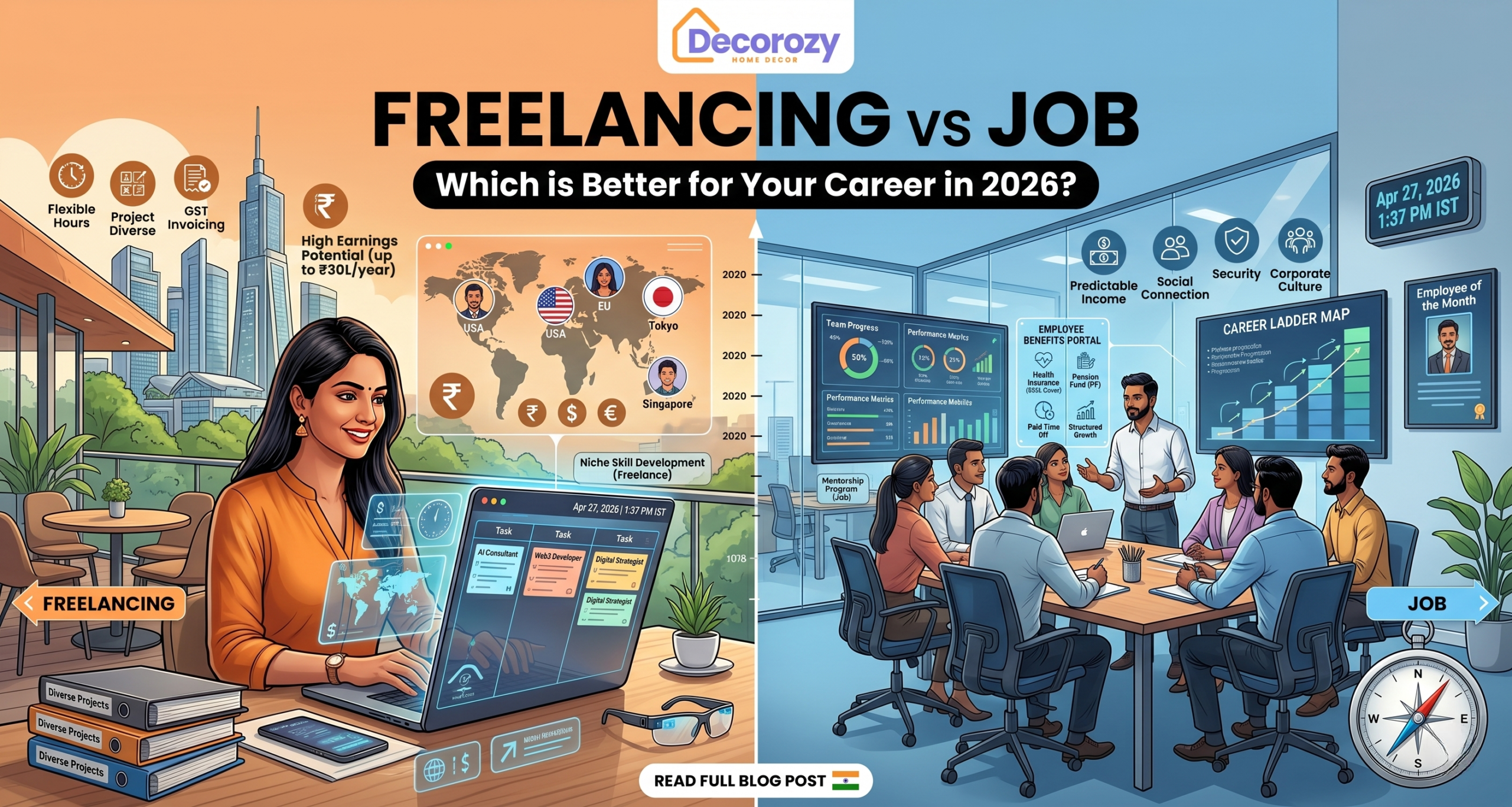
The modern workforce is undergoing a massive transformation, leaving many professionals questioning whether they should stick to traditional employment or embrace independence. Deciding between freelancing vs job is no longer just about a paycheck; it is about designing your ideal lifestyle. With the global freelance market reaching nearly $10 billion in 2026, the gig economy is impossible to ignore. However, traditional roles still offer unmatched security in a volatile world.
Quick Answer: The main difference between a freelancing vs job is that freelancing offers ultimate flexibility and uncapped earning potential, while a traditional job provides guaranteed income, structured benefits, and job security. The best choice depends entirely on your financial goals, risk tolerance, and desired work-life balance.
Understanding the Core: Freelancing vs Job
To make an informed decision, you must first understand the fundamental differences in how these two paths operate. A traditional full-time job involves working for a single employer under a set schedule. You receive a fixed salary, health insurance, paid time off, and employer retirement contributions.
Freelancing, on the other hand, makes you a business owner of one. You offer your specific skills—like SEO, web development, or writing—directly to multiple clients on a contract basis. You set your own rates, determine your working hours, and select the projects that interest you.
However, this freedom means you are entirely responsible for your own taxes, healthcare, and client acquisition. You do not get paid if you take a sick day or go on vacation. Understanding this dynamic is the first step in resolving the freelancing vs job dilemma.
Benefits and Drawbacks: Freelancing vs Job
The appeal of freelancing lies primarily in its limitless flexibility and income potential. Top-tier freelancers frequently earn significantly more than their corporate counterparts because there is no salary cap. Furthermore, you can work from anywhere in the world, perfectly aligning with the rising demand for location independence.
Despite these perks, independent work comes with serious income instability. Freelancers often experience “feast or famine” cycles, where one month is highly profitable and the next is entirely dry. This unpredictability requires excellent financial discipline and a robust emergency fund.
Conversely, a traditional job provides peace of mind through a predictable, recurring paycheck. Employees benefit from a structured career ladder, company-funded training, and a built-in social network of colleagues. The major drawback is the lack of autonomy, strict schedules, and capped earning potential that can stifle ambitious professionals.
How to Choose: Freelancing vs Job Strategy
Choosing between these two paths requires a deep audit of your personal working style and risk tolerance. If you thrive under pressure, possess strong self-discipline, and excel at self-promotion, freelancing is likely your best route. You must be comfortable managing administrative tasks like invoicing and lead generation.
If you prefer leaving work at the office, value steady routines, and dislike the idea of constantly hunting for your next paycheck, a traditional job is the clear winner. Many successful professionals choose a hybrid approach to test the waters first.
Starting a freelance side hustle while maintaining your full-time job is the safest strategy. This allows you to build a reliable client base and refine your skills before fully transitioning. Ultimately, there is no universal right answer—only the path that best aligns with your long-term goals.
Ready to optimize your professional life or enhance your workspace for remote success? Explore more expert guides and design inspirations right here on Decorozy.com!
FAQ Schema
- Question 1: Is freelancing more profitable than a traditional job?
- Answer: Freelancing offers uncapped earning potential, meaning top performers can earn significantly more than corporate employees. However, freelance income fluctuates monthly, whereas a traditional job provides a guaranteed, steady salary regardless of business performance.
- Question 2: Do freelancers receive any corporate benefits?
- Answer: No, freelancers are considered independent contractors and do not receive employer benefits. They must independently fund and manage their own health insurance, retirement plans, paid time off, and tax withholdings.
- Question 3: Which career path offers a better work-life balance?
- Answer: Freelancing offers superior day-to-day flexibility, allowing you to set your own hours and location. However, traditional jobs often provide clearer boundaries, allowing employees to fully disconnect once their shift ends without worrying about finding the next client.
🌟 Trending Collections at Decorozy
Discover our bestselling spiritual décor, handcrafted home accessories, and premium decorative collections designed to bring elegance, positivity, and timeless beauty to your living space.
🏡
Home Décor Store
Explore our complete range of premium home décor and handcrafted collections.
Visit Store →
🧘
Buddha Idols
Peaceful Buddha statues crafted for meditation and modern interiors.
Shop Collection →
🔱
Shiva Idols
Premium Mahadev idols for your home temple and office.
View Products →
🎨
Madhubani Paintings
Authentic Indian folk art for beautiful wall decoration.
Explore Artwork →
🪵
Wooden Handicrafts
Traditional handcrafted wooden décor made by skilled artisans.
Browse Collection →
🔥
Best Deals
Save more with exclusive discounts on bestselling décor products.
Grab Offers →
🛍️
Handmade Bags
Stylish handcrafted bags for everyday use and gifting.
Shop Bags →
✨ Find Your Perfect Home Décor Collection
Browse premium spiritual décor, handcrafted idols, and elegant home accessories—all thoughtfully designed to elevate your living space.
Explore Decorozy →