Intermittent Fasting Benefits & Risks: An Expert Guide
The health and wellness industry is constantly evolving, bringing new dietary strategies to the forefront of modern nutrition. Among these, the conversation surrounding intermittent fasting benefits & risks has reached a fever pitch.
Understanding the science behind this eating pattern is crucial before you completely overhaul your daily routine. We will break down exactly what this dietary protocol entails and how it impacts your body.
Quick Answer: Intermittent fasting is a highly structured eating pattern cycling between planned periods of fasting and eating. While it effectively promotes weight loss, improves metabolic health, and enhances cellular repair, it carries distinct risks like nutrient deficiencies, fatigue, and hormonal imbalances if improperly managed.
What is the True Intermittent Fasting Meaning?
To fully grasp the concept, we must first define the intermittent fasting meaning accurately. It is not a traditional diet that restricts specific food groups or strictly counts daily calories.
Instead, it dictates when you should eat rather than exactly what you should consume. The core philosophy revolves around giving your digestive system a prolonged break to initiate metabolic changes.
In nutritional science, what intermittent fasting means is simply shifting the body from a fed state to a fasted state. This forces your system to utilize stored energy, primarily fat, for fuel instead of relying on newly consumed glucose.
While you might occasionally see typos like intimate fasting in search forums, the scientific community recognizes this exclusively as time-restricted feeding. Grasping this foundational concept is the first step toward long-term success.
Core Intermittent Fasting Benefits & Risks
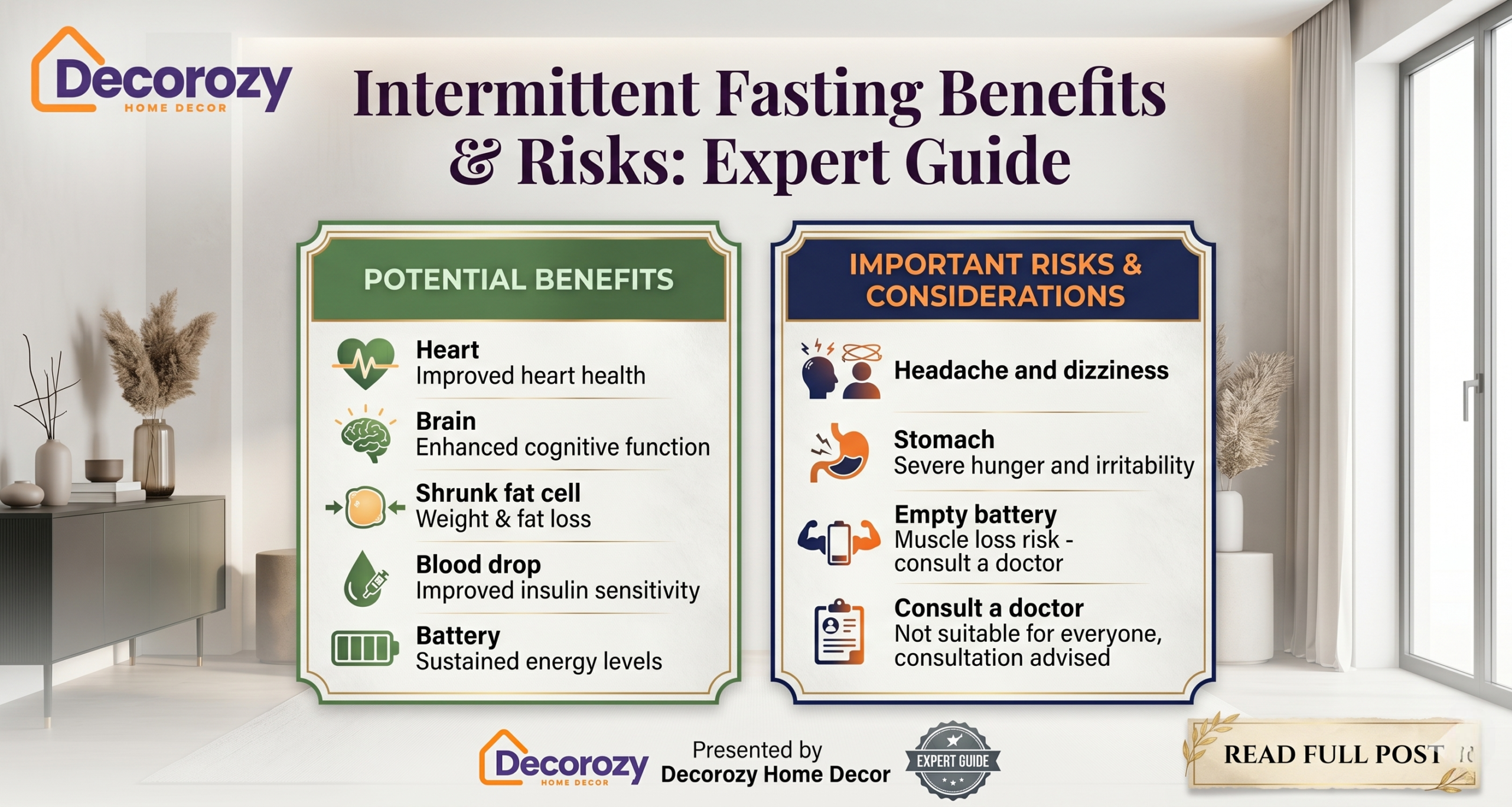
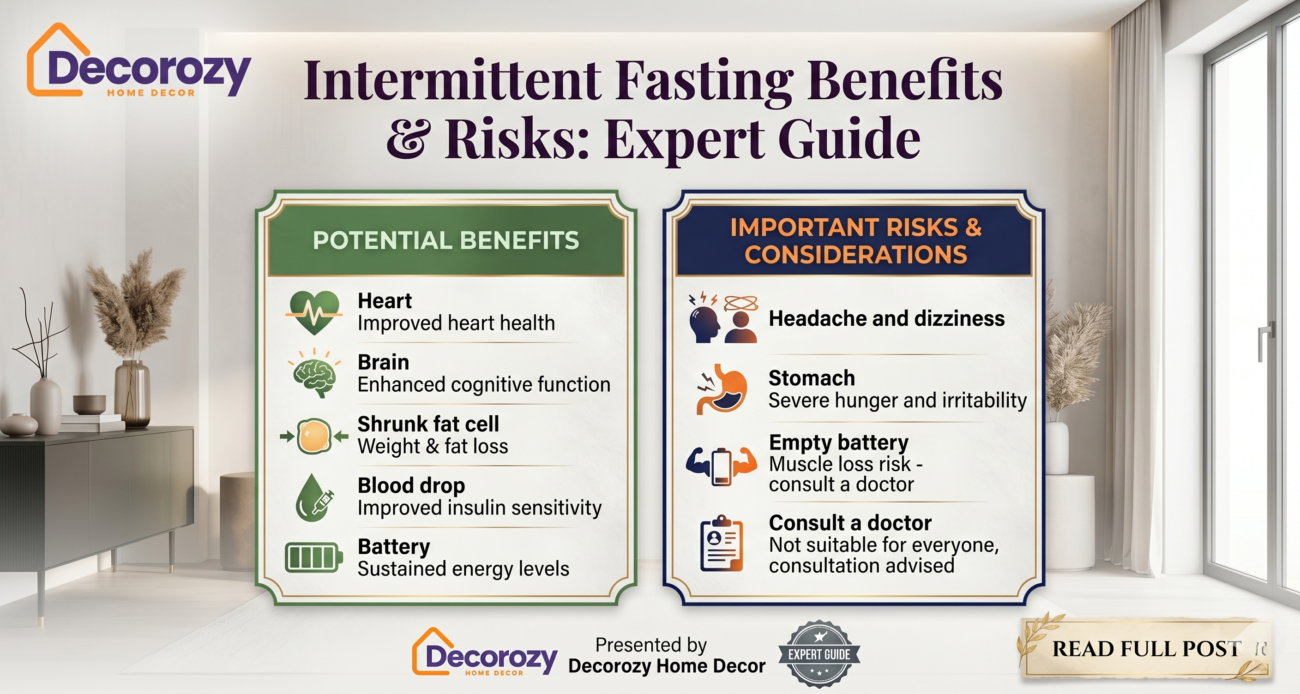
When evaluating any dietary shift, you must carefully weigh the intermittent fasting benefits & risks. This balanced approach ensures you maximize health gains while minimizing potential metabolic drawbacks.
The primary benefits of fasting include enhanced insulin sensitivity, rapid cellular repair through autophagy, and a reduction in systemic inflammation. These physiological changes can significantly lower the risk of chronic diseases.
Furthermore, intermittent fasting for weight loss is incredibly effective because it naturally reduces caloric intake while simultaneously boosting metabolic rate. It forces your body to burn stubborn visceral fat for sustained energy throughout the day.
However, we cannot ignore the risks associated with an improperly executed fasting window. Extended periods without food can lead to severe nutrient deficiencies, muscle catabolism, and intense bouts of fatigue.
Additionally, certain individuals may experience hormonal disruptions, particularly women with preexisting thyroid or reproductive health issues. This is why understanding your unique biological response is absolutely essential.
Structuring Your Intermittent Fasting Plan
Building a sustainable intermittent fasting plan requires careful consideration of your lifestyle, fitness goals, and current health status. The most popular protocol is the 16/8 method, which involves fasting for 16 hours and eating within an 8-hour window.
Some beginners prefer starting with what is often called an intermediate diet approach, utilizing a gentler 12/12 or 14/10 fasting ratio. This allows the body to acclimate slowly without triggering severe hunger pangs or sudden energy crashes.
Regardless of the specific window you choose, your feeding period must prioritize nutrient-dense, whole foods. Breaking a fast with refined carbohydrates or excess sugar will immediately negate the metabolic advantages you just worked hard to achieve.
Hydration is another critical pillar of a successful strategy. Drinking plenty of water, black coffee, or herbal tea during the fasting window prevents dehydration and helps suppress natural appetite spikes.
Does Intermittent Fasting Work? Analyzing the Results
A common question among health enthusiasts is simply: does intermittent fasting work? The scientific consensus overwhelmingly points to yes, provided it is executed with precision and consistency.
Clinical trials have demonstrated that the intermediate fasting benefits extend far beyond mere fat loss. Patients often report enhanced cognitive function, clearer skin, and significantly improved cardiovascular markers.
However, success is entirely dependent on long-term adherence and maintaining a balanced relationship with food. It is not a magic solution that allows for limitless junk food consumption during the designated eating window.
Ultimately, evaluating the intermittent fasting benefits & risks for your own body requires trial, error, and patience. Always consult with a qualified healthcare professional before beginning any restrictive eating protocol.
Are you ready to transform your health and optimize your daily nutrition? Explore more expert, data-driven wellness strategies and styling tips right here on Decorozy.com.
FAQ Schema
- Question 1: Does intermittent fasting work for fast weight loss?
- Answer: Yes, intermittent fasting works effectively for weight loss by naturally creating a caloric deficit and lowering insulin levels. This metabolic shift forces your body to utilize stored body fat for energy rather than relying on glucose from recent meals.
- Question 2: What exactly does an intermediate diet or fasting plan entail?
- Answer: An intermediate fasting plan usually refers to milder time-restricted eating schedules, such as fasting for 12 to 14 hours a day. It serves as an excellent stepping stone for beginners looking to adapt to fasting without extreme restriction.
- Question 3: What are the main benefits of fasting daily?
- Answer: Daily fasting promotes profound cellular repair processes like autophagy, improves insulin sensitivity, and reduces systemic inflammation. These biological benefits contribute to accelerated fat loss, enhanced brain function, and a reduced risk of various chronic metabolic diseases.