The Enduring Legacy of Bhishma: Vow and Sacrifice
Exploring the ancient Indian epic, few figures stand as tall as the legendary warrior known for Bhishma: vow and sacrifice. His unparalleled dedication shaped the entire narrative of the Kuru dynasty and continues to inspire generations with its profound moral weight.
Quick Answer: Bhishma, originally named Devavrata, was a central figure in the Mahabharata known for his terrible vow of lifelong celibacy and relinquishing his right to the throne. This ultimate sacrifice was made to ensure his father’s happiness, earning him the formidable name Bhishma.
Understanding Bhishma: Vow and Sacrifice
The story of Bhishma pitamah begins with a profound act of filial devotion. Born as Devavrata, he was the beloved son of King Shantanu and the river goddess Ganga. His life changed forever when his royal father fell deeply in love with Satyavati.
To secure his father’s marriage, Devavrata made the ultimate, unyielding pledge. This profound dedication perfectly exemplifies Bhishma: vow and sacrifice. By giving up his crown and taking a vow of celibacy, he altered history forever.
The Impact of Bhishma: Vow and Sacrifice on the Kuru Dynasty
The repercussions of this legendary pledge echoed throughout the subsequent generations. Because of his oath, Bheeshma became the eternal, sworn guardian of the Hastinapur throne. He served as a steadfast protector, never claiming sovereign power for himself.
His presence in the epic is a testament to unyielding duty and martial honor. The concept of Bhishma: vow and sacrifice became the ultimate standard of royal loyalty. Every king who followed relied heavily on his unparalleled wisdom and strategic prowess.
The Role of Bhishma in Mahabharata
As the great Kurukshetra war approached, the saga of Bhishma mahabharat took on a tragic dimension. He was forced by his solemn oath to fight for the Kauravas, despite deeply loving the Pandavas. His tactical brilliance made him the supreme commander for the first ten grueling days of battle.
To truly understand Bhishma in Mahabharata is to understand complex, painful moral dilemmas. He fought valiantly, yet he secretly yearned for the ultimate victory of righteousness. His unmatched combat skills made him virtually invincible on the chaotic battlefield.
The Final Battle: Who Killed Bhishma?
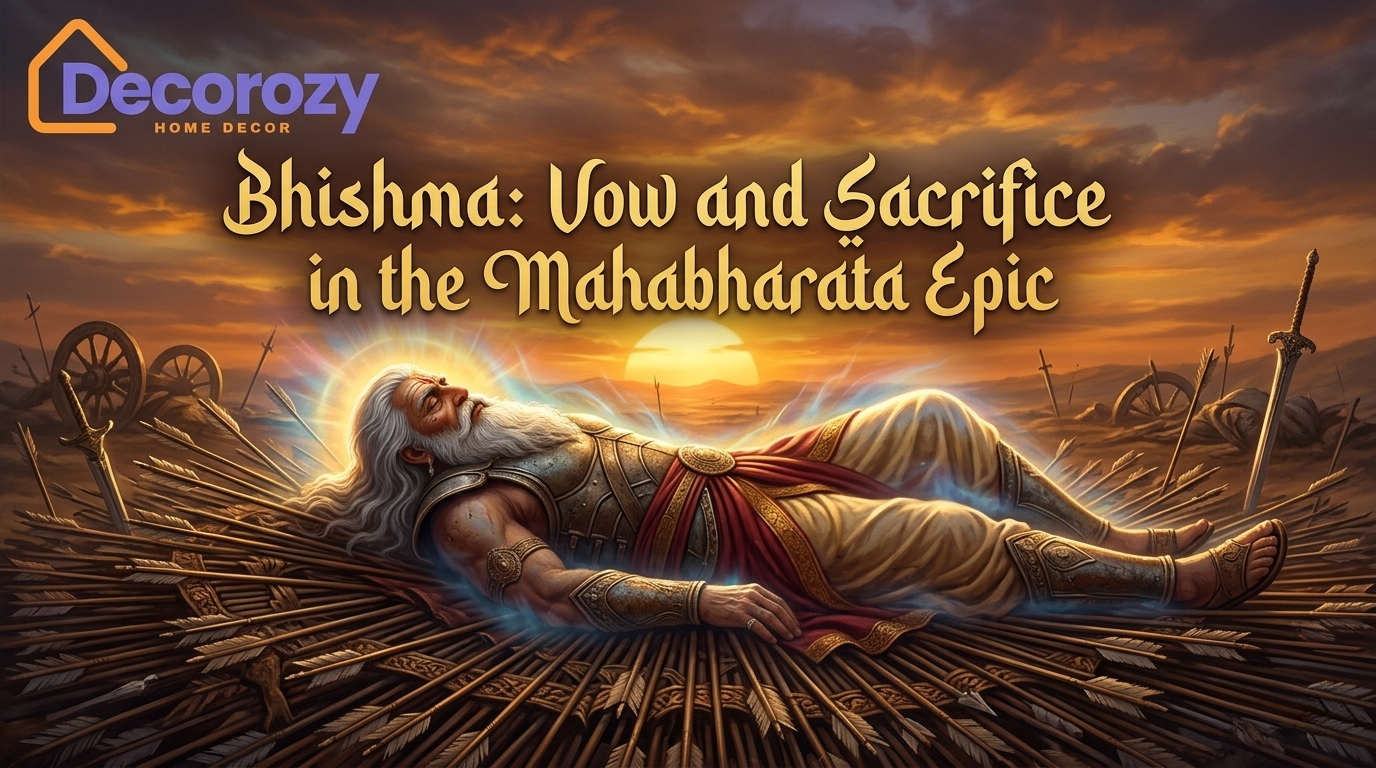
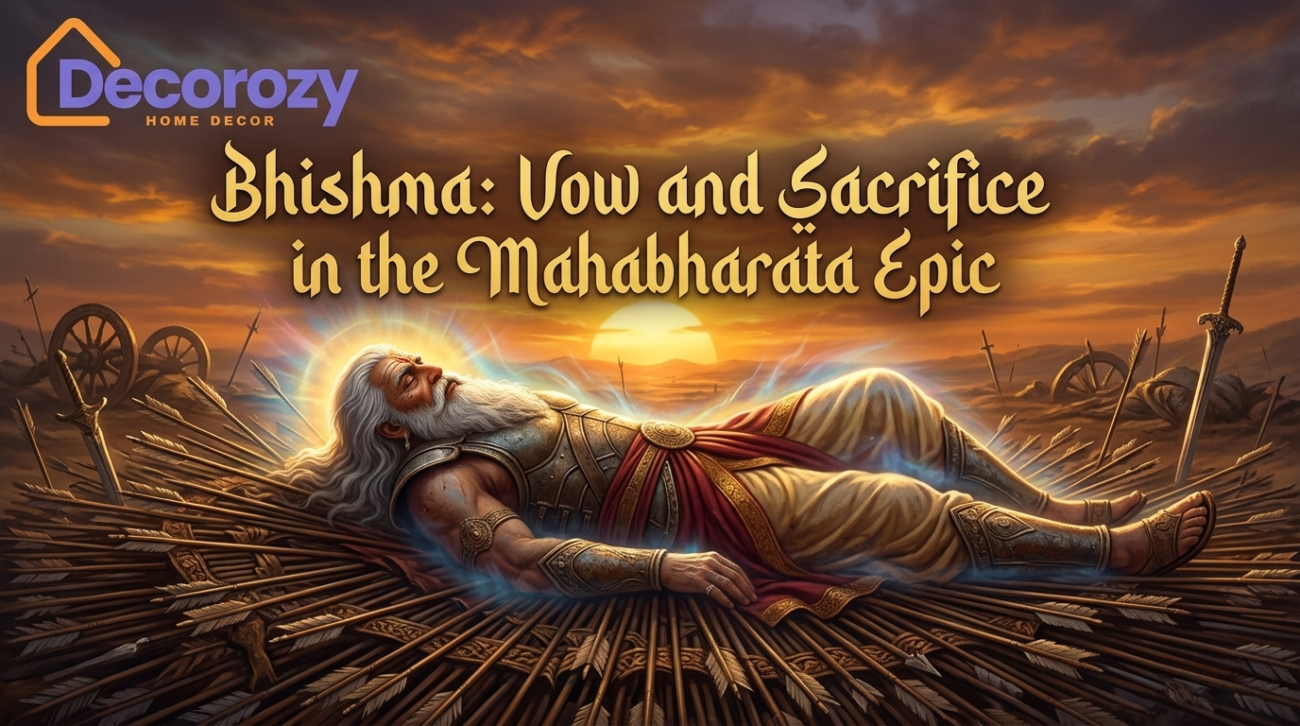
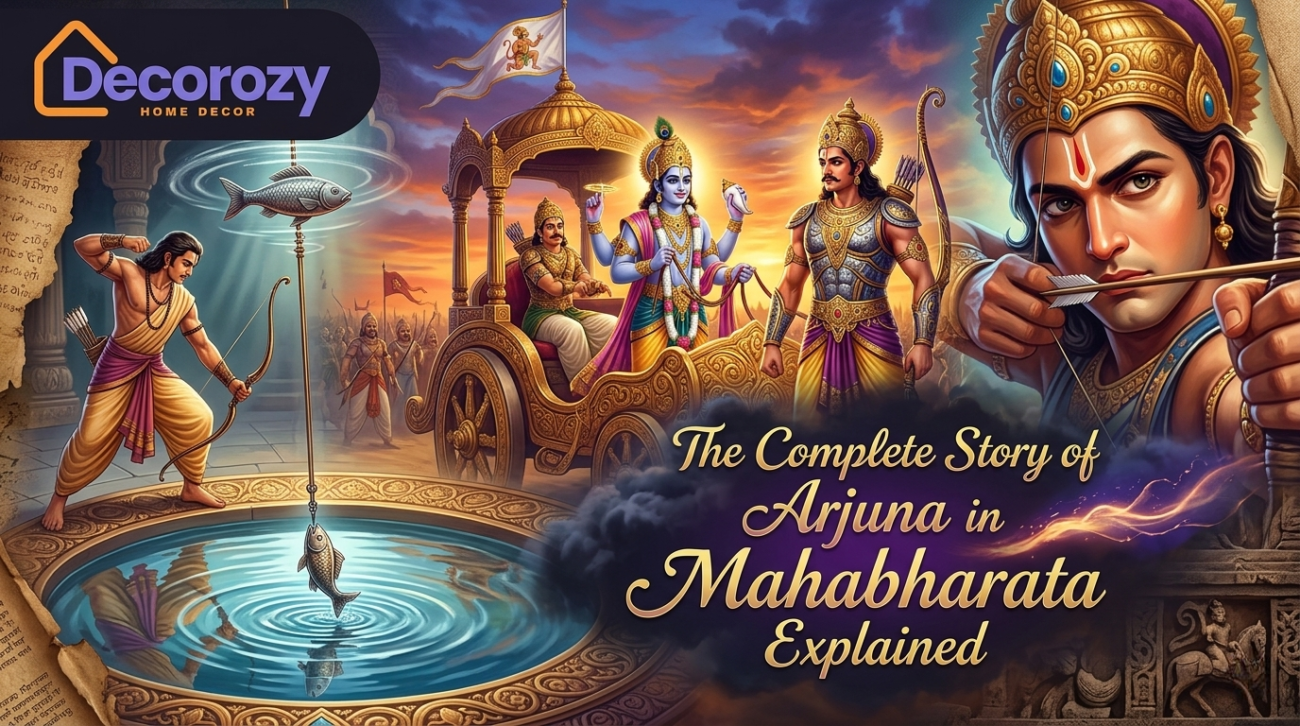
One of the most frequently asked historical questions is exactly who killed Bhishma. Given his divine boon of choosing his own time of death, defeating him seemed strictly impossible. However, Arjuna, guided by Lord Krishna, cleverly used the warrior Shikhandi as a human shield.
Because Bhishma pitamah refused to strike a warrior born as a woman, he lowered his divine weapons. Arjuna’s arrows then pierced him, creating a legendary bed of arrows where the patriarch fell. He deliberately postponed his death until the auspicious time of Uttarayana to leave his mortal body.
Cultural Legacy and Bhishma Pitamah Marg
Today, the legacy of this great warrior extends far beyond the pages of ancient Sanskrit texts. His name remains synonymous with ultimate devotion and unwavering civic duty in Indian culture. You can even find modern metropolitan streets named Bhishma pitamah marg in prominent cities like New Delhi.
These modern tributes serve as a constant, daily reminder of his immense historical and cultural weight. His final teachings, delivered on the bed of arrows, remain a profound source of political and spiritual wisdom.
The tale of this noble warrior remains a cornerstone of mythological history, highlighting how unwavering dedication transcends time. For more inspiring content, elegant lifestyle ideas, and home aesthetics that reflect timeless virtues, explore the exclusive collections at Decorozy.com. Let your living spaces radiate majestic beauty and structured harmony.
FAQ Schema
- Question 1: Who was Bhishma in the Mahabharata?
- Answer: Bhishma, originally named Devavrata, was the son of King Shantanu and the goddess Ganga. He is best known for his formidable vow of lifelong celibacy and serving as the supreme commander of the Kaurava forces.
- Question 2: Why did Bhishma take his terrible vow?
- Answer: He took the vow of celibacy and renounced his right to the throne so his father could marry Satyavati. Her father demanded that only her future descendants could inherit the kingdom of Hastinapur.
- Question 3: Who killed Bhishma?
- Answer: Bhishma was incapacitated by Arjuna during the Kurukshetra war. Arjuna pierced him with arrows while using Shikhandi as a shield, because Bhishma had sworn never to raise weapons against anyone born a woman.