The Profound Importance of Buddha in Buddhism
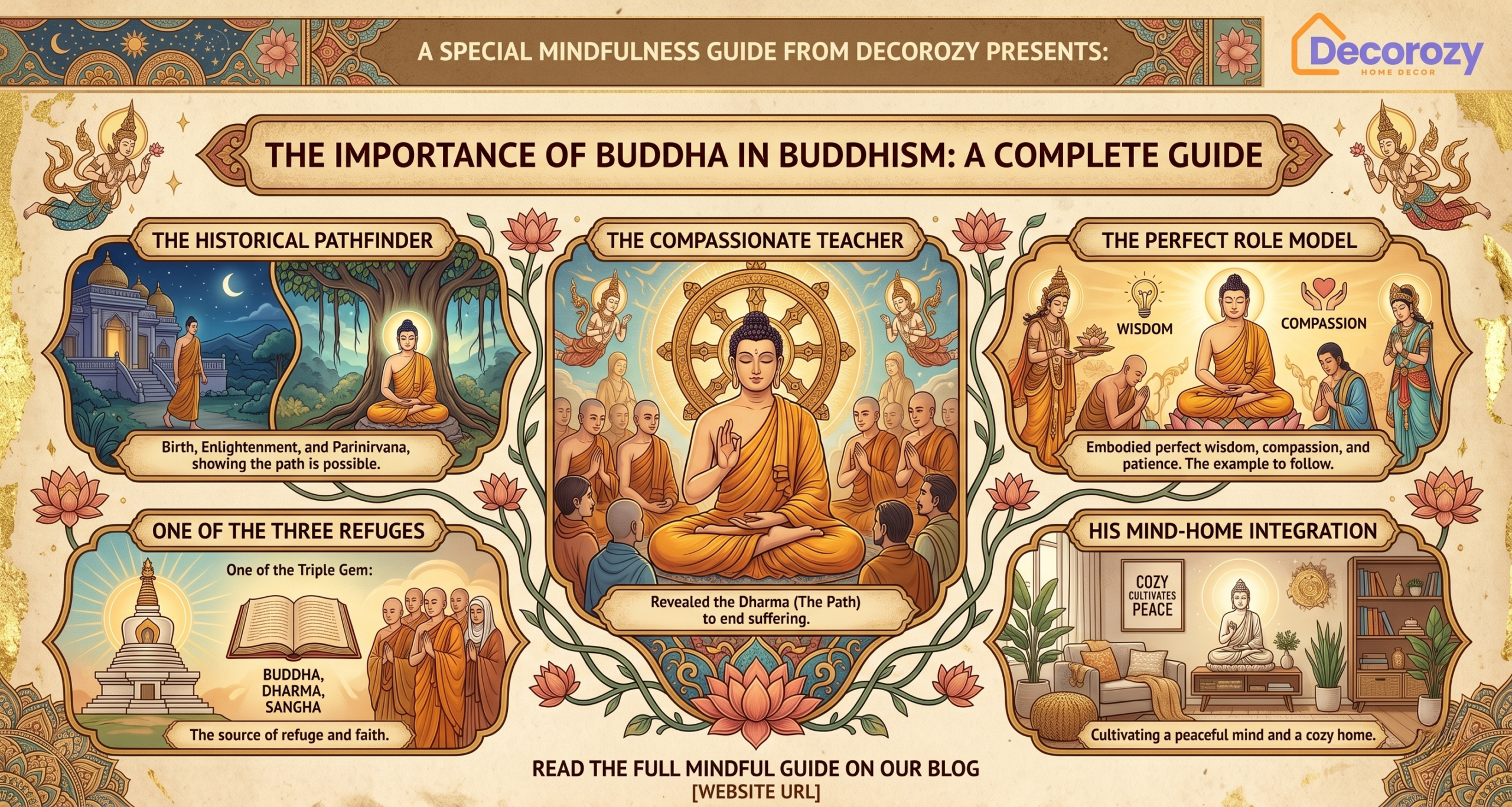
Understanding the importance of Buddha in Buddhism is essential for anyone exploring this ancient spiritual path. The historical figure of Siddhartha Gautama provides the foundational blueprint for achieving true enlightenment. His transformative journey continues to inspire millions worldwide to seek inner peace and spiritual liberation.
Quick Answer: The importance of Buddha in Buddhism lies in his role as the ultimate spiritual guide. He is not worshipped as a creator god, but revered as an enlightened teacher who discovered the Dharma (universal truth) and demonstrated the practical path to ending human suffering.
Understanding the Core Importance of Buddha in Buddhism
The Buddha serves as the supreme exemplar of human potential within the global Buddhist tradition. He proved that an ordinary person can transcend worldly attachments and achieve complete spiritual awakening.
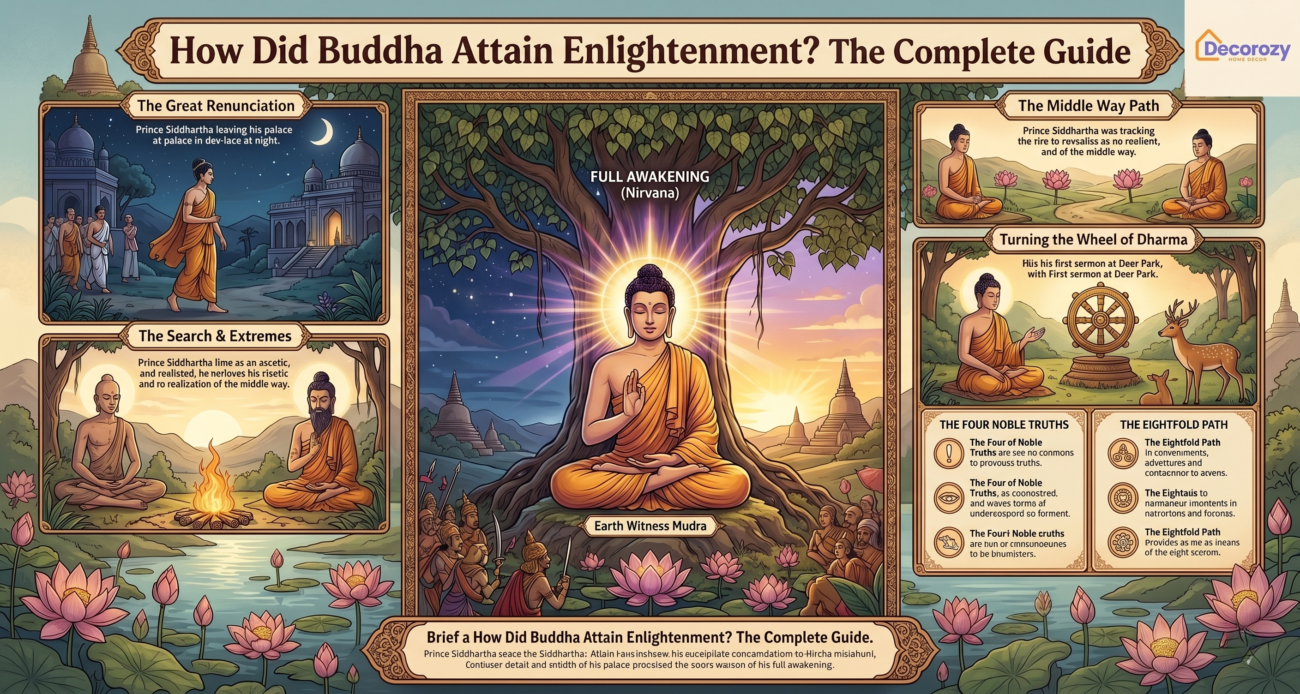
His life story offers a highly practical roadmap for modern practitioners facing everyday challenges. By voluntarily renouncing his royal privilege, Siddhartha Gautama demonstrated that lasting happiness does not originate from material wealth.
Instead, he achieved Nirvana through disciplined meditation, ethical living, and profound mindfulness. This central narrative emphasizes that ultimate liberation is accessible to anyone willing to walk the Eightfold Path.
Why the Importance of Buddha in Buddhism Matters Today
In our fast-paced, modern world, the importance of Buddha in Buddhism remains incredibly relevant as a stabilizing force. His timeless teachings offer a proven, data-backed method to reduce anxiety and mental suffering.
Taking refuge in the Buddha is the first crucial step for any practicing Buddhist. It represents a conscious, personal commitment to awakening one’s own inner potential, commonly referred to as “Buddha-nature.”
By studying his enlightened qualities, such as infinite compassion and profound wisdom, individuals learn to cultivate these exact traits. This systematic personal transformation actively fosters a more peaceful, empathetic, and harmonious global society.
Analyzing His Legacy: The Three Jewels Framework
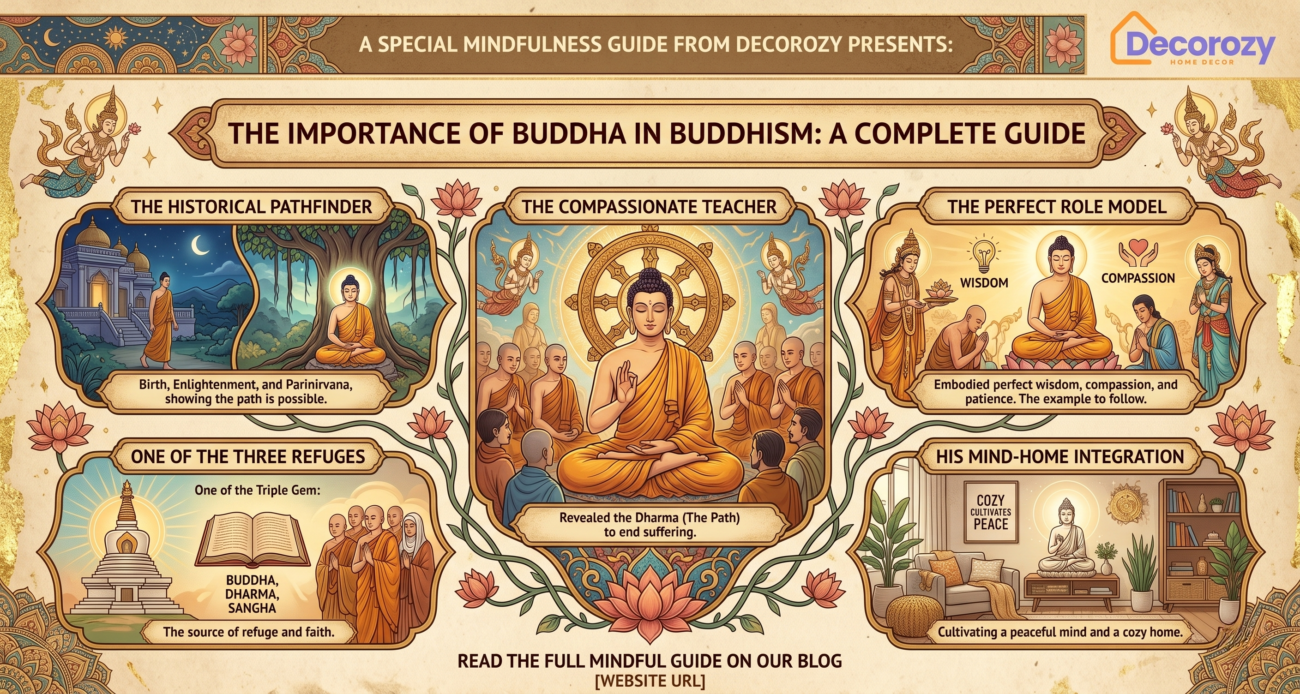
To truly grasp the Buddha’s significance, practitioners must examine the core concept of the Three Jewels. These foundational pillars are the Buddha (the teacher), the Dharma (the teachings), and the Sangha (the community).
The Buddha acts as the foundational jewel because he originally realized and flawlessly shared the Dharma. Without his initial enlightenment beneath the Bodhi tree, the definitive path to liberation would remain entirely unknown to humanity.
His highly analytical approach to understanding suffering, outlined in the Four Noble Truths, is a masterpiece of spiritual psychology. It provides actionable, step-by-step guidance rather than demanding blind faith or dogmatic obedience from his followers.
The Historical Impact of the Awakened One
The Buddha’s teachings revolutionized spiritual thinking by rejecting the rigid caste systems of ancient India. He boldly proclaimed that spiritual worth is determined by one’s actions and morality, not by birthright.
This egalitarian approach made enlightenment an achievable goal for people from all walks of life. His establishment of the monastic order provided a dedicated environment for both men and women to pursue intensive spiritual practice.
Today, his legacy transcends geographical and cultural boundaries, influencing psychology, philosophy, and mindfulness practices worldwide. The Buddha remains the ultimate symbol of peace, self-mastery, and the boundless potential of the human mind.
The profound legacy of the Awakened One continues to guide spiritual seekers safely across the turbulent ocean of existence. His timeless wisdom remains the ultimate beacon for overcoming ignorance and cultivating lasting, unshakeable peace.
Are you ready to create a tranquil space that perfectly reflects your personal spiritual journey? Explore our exclusive, curated collection of meditation accessories and mindful home décor at Decorozy.com today.
FAQ Schema
- Question 1: Is the Buddha considered a god in Buddhism?
- Answer: No, the Buddha is not considered a creator god in Buddhism. He is deeply revered as an enlightened human teacher who discovered the path to spiritual liberation and shared it with the world.
- Question 2: What is the main message of the Buddha?
- Answer: The main message of the Buddha is perfectly encapsulated in the Four Noble Truths. He taught that human suffering exists, it has a root cause, it can end, and the Eightfold Path is the practical way to achieve this liberation.
- Question 3: Why do Buddhists bow to Buddha statues?
- Answer: Buddhists bow to Buddha statues as a physical sign of deep respect and gratitude, not as idol worship. The statue serves as a mindful reminder of the Buddha’s teachings and the practitioner’s own inherent potential for enlightenment.