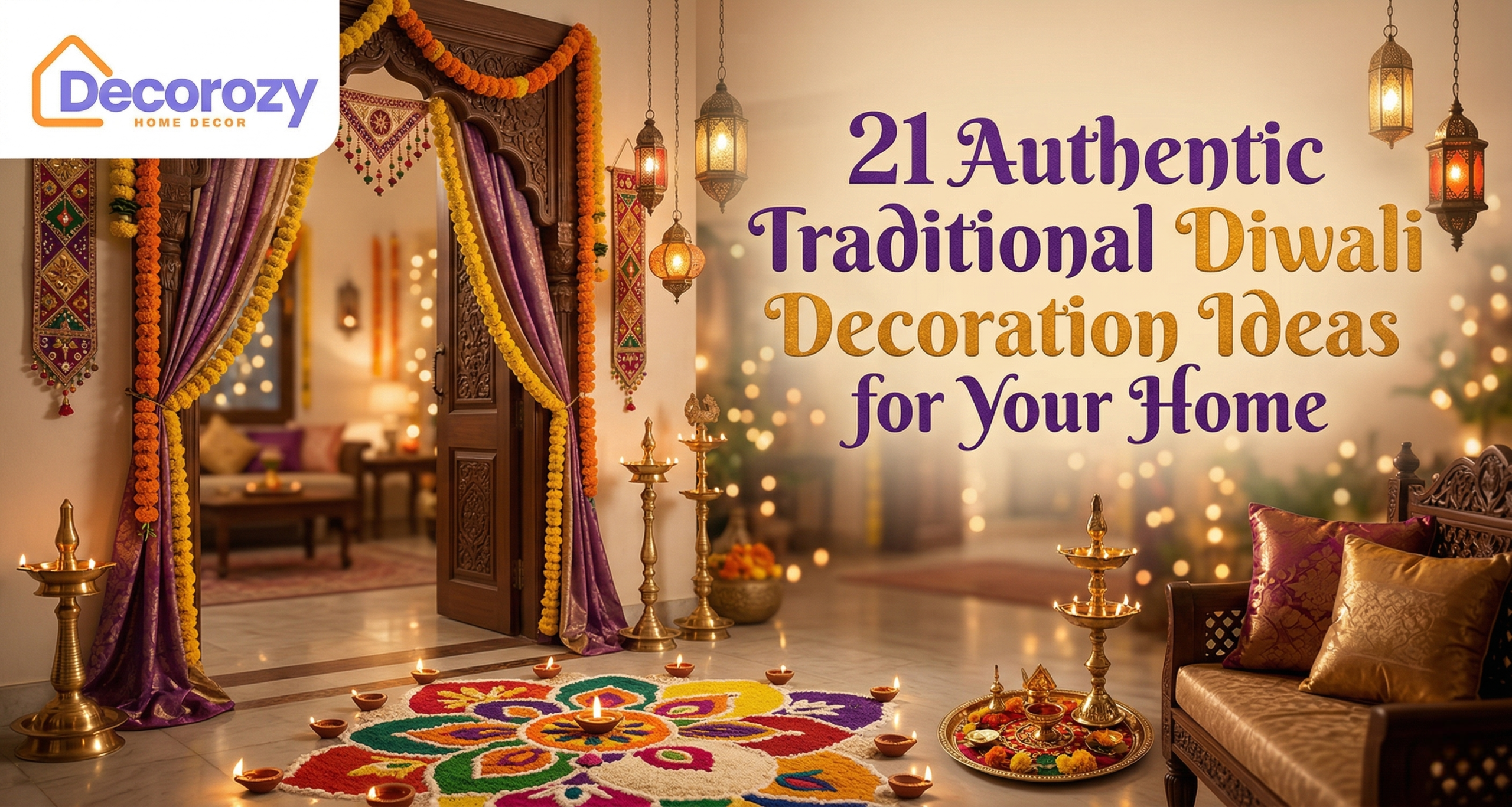
The festival of lights is a time of spiritual renewal, joyous celebration, and inviting prosperity into your living space. Implementing authentic traditional diwali decoration ideas brings immense cultural value and vibrant energy to your modern interiors. Whether you are hosting a grand family gathering or setting up a serene pooja room, the right aesthetic makes all the difference.
Quick Answer: The best traditional Diwali decoration ideas involve illuminating your home with earthen diyas, designing vibrant floral rangolis, and hanging fresh marigold torans on doorways. Incorporating antique brass lamps, floating candles in water urlis, and rich ethnic textiles further creates a deeply auspicious and festive atmosphere.
The Core Elements of Traditional Diwali Decoration Ideas
Diwali decor is deeply rooted in Indian heritage, relying heavily on natural elements and symbolic motifs. The foundational aspects of traditional diwali decoration ideas focus on light, color, and spiritual purity.
Every decorative choice serves a distinct purpose, from welcoming deities to warding off negative energy. By understanding these core elements, you can curate a space that feels both festive and profoundly meaningful.
Key components include hand-painted clay diyas, fresh flower garlands, and intricate rangoli patterns. These simple yet powerful items have defined the Deepavali aesthetic for centuries.
Why Authentic Traditional Diwali Decoration Ideas Matter Today
In an era dominated by mass-produced plastic ornaments, returning to your roots offers a refreshing visual palette. Embracing traditional diwali decoration ideas ensures your home stands out with unmatched elegance and warmth.
Authentic decor pieces like brass urlis and terracotta lamps are inherently sustainable and eco-friendly. They reduce your carbon footprint while supporting local artisans and traditional craftsmanship.
Furthermore, traditional styling aligns perfectly with Vastu Shastra principles. Utilizing the right materials and colors helps balance the elemental energies within your home, attracting prosperity and good health.
Transforming Your Entrance with Welcoming Accents
The main doorway is the transition point between the outside world and your personal sanctuary. In Hindu culture, a beautifully decorated entrance is essential for inviting Goddess Lakshmi into your home.
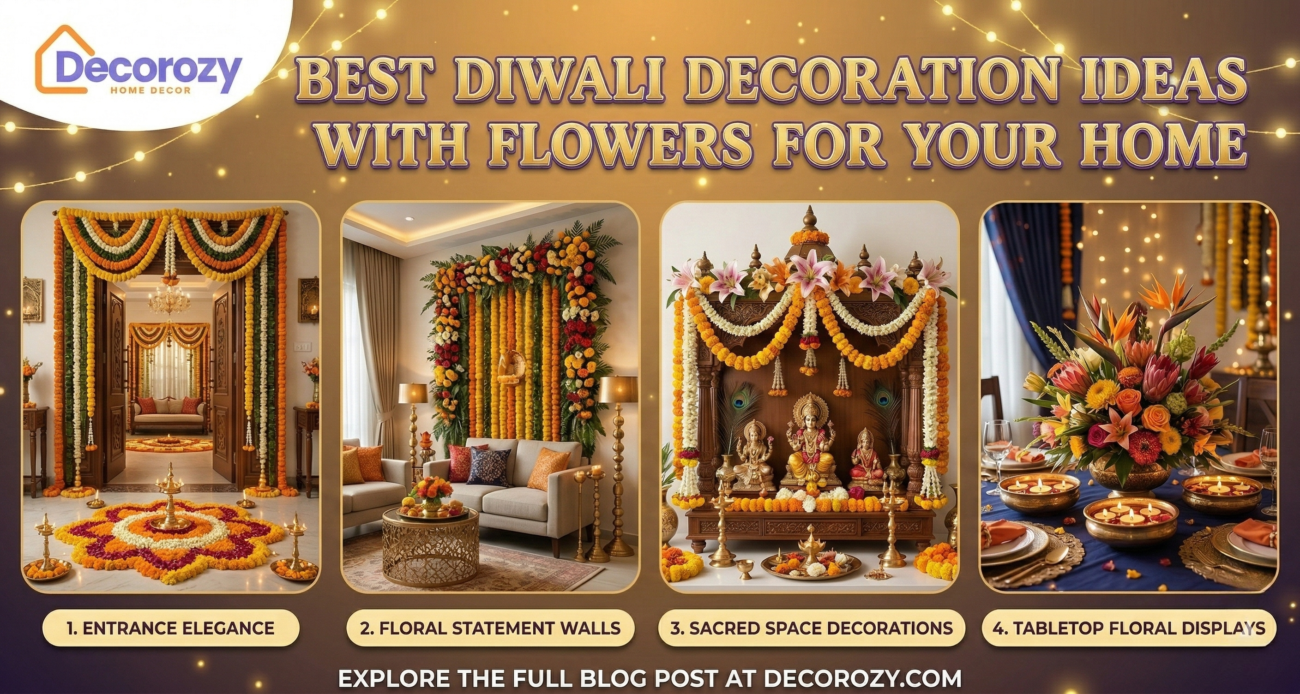
Start by hanging a vibrant toran made of fresh mango leaves and marigold flowers. This classic addition not only looks stunning but is also believed to naturally absorb negative energy.
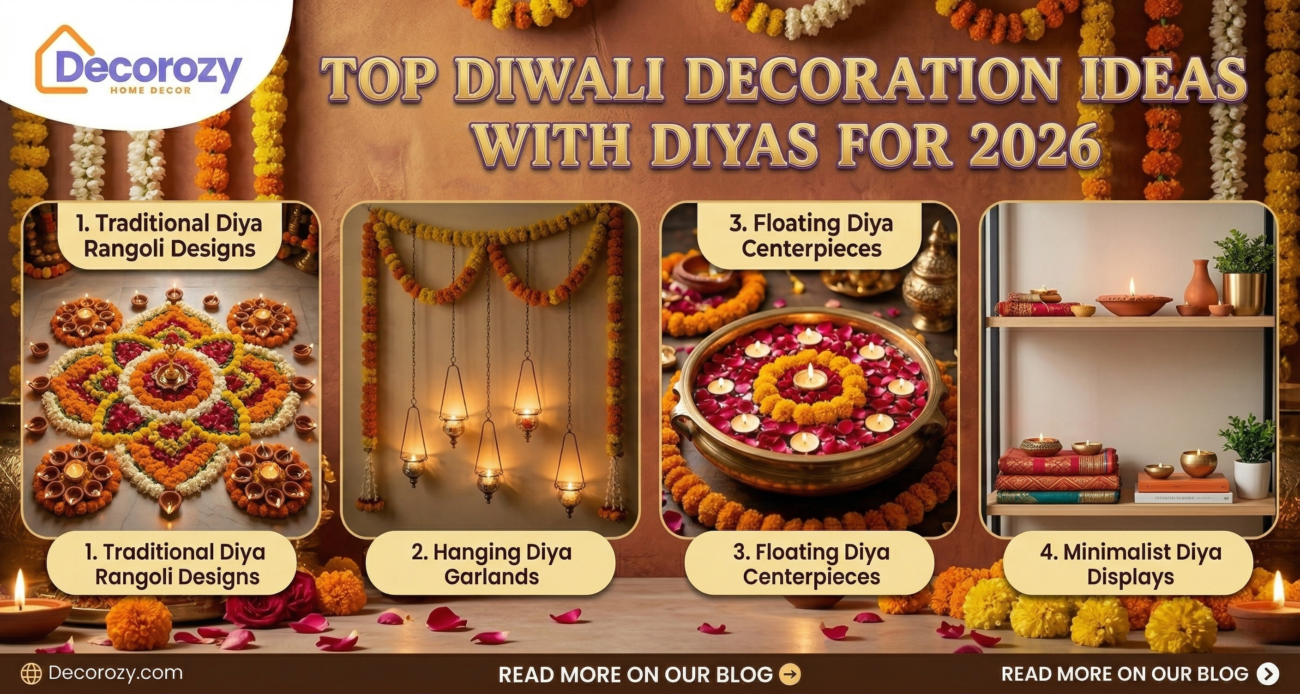
Next, focus on the flooring just outside your door by crafting a beautiful, welcoming rangoli. You can use colored rice flour, natural powders, or fresh flower petals for an eco-friendly touch.
Place a pair of large, decorative brass lamps or heavily embellished earthen diyas on either side of the door. This creates a symmetrical, grand entryway that instantly elevates your exterior styling.
Illuminating Your Space: The Power of Diyas and Lamps
Deepavali literally translates to a “row of lights,” making illumination the most critical aspect of your decor. The gentle flicker of a traditional oil lamp simply cannot be replicated by modern LED fixtures.
Strategically place terracotta diyas along your window sills, balcony railings, and staircases. Ensure you use pure ghee or mustard oil, as these are considered highly auspicious in Vedic traditions.
Antique brass lamps, or diyas, add a touch of royal elegance to any room in the house. Sourced from heritage markets or family heirlooms, these heavy metal pieces cast beautiful, golden shadows across your walls.
For a visually striking centerpiece, fill a wide brass urli with water and scatter rose petals inside. Add floating tea-light candles to create a serene, picturesque arrangement that captivates your guests.
Exploring Regional Traditional Diwali Decoration Ideas
India’s immense cultural diversity means that festive aesthetics vary beautifully from state to state. Incorporating regional traditional diwali decoration ideas can give your home a unique and eclectic charm.
In South India, kolam designs made with rice paste take the place of colorful powder rangolis. You can replicate this elegant, geometric art style at your entrance for a pristine, minimalist look.
In Bengal, the focus during this season often shifts to Kali Puja, accompanied by vibrant red and white decor. Incorporating terracotta crafts from Bankura can add a distinct Eastern Indian flavor to your living space.
Rajasthani decor emphasizes vibrant textiles, mirror work, and intricate Pichwai paintings. Hanging a large Pichwai artwork as a backdrop in your living room serves as a breathtaking, conversation-starting focal point.
Styling the Living Room with Ethnic Elegance
Your living room is the primary entertainment zone during the festive season. Upgrading its aesthetic requires a careful balance between maximalist festive charm and comfortable functionality.
Swap out your everyday cushion covers for rich, ethnic textiles that catch the eye. Look for fabrics featuring intricate zari work, Gujarati mirror embellishments, or classic block prints.
Introduce vibrant rugs or traditional dhurries to anchor your seating area effectively. Deep reds, mustard yellows, and emerald greens work perfectly to enhance the festive spirit indoors.
Incorporate subtle metallic accents through copper trays, silver sweet boxes, and brass candle stands. These reflective surfaces beautifully catch the light of your diyas, multiplying the glow in the room.
Don’t forget the olfactory experience; scent plays a massive role in setting a festive mood. Burn camphor, high-quality incense sticks, or use jasmine-scented candles to keep the environment spiritually uplifting.
Creating a Serene and Auspicious Pooja Room
The pooja room is the spiritual epicenter of your home during the five days of Diwali. It demands meticulous attention to detail, strict cleanliness, and devoted, traditional styling.
Begin by setting up a pristine backdrop for your idols using fresh marigold and jasmine garlands. The bright orange and yellow hues of the genda phool symbolize auspicious new beginnings.
Elevate your deities by placing them on beautifully carved wooden chowkis or pure silver platforms. Ensure the idols of Lord Ganesha and Goddess Lakshmi are polished and adorned with fresh floral buds.
Use vintage brass bells and hanging ceiling lamps to add vertical visual interest to the shrine. The gentle ringing of bells adds a soothing acoustic element to your traditional decor setup.
Finally, prepare an immaculate pooja thali featuring vermillion, rice, and a central silver diya. This thoughtful organization not only looks pristine but keeps your rituals flowing smoothly.
The Significance of Colors in Festive Styling
Color psychology plays a massive role in Indian festivities, with specific hues invoking distinct energies. Understanding these color palettes is crucial for mastering your festive interior design.
Red and crimson are the colors of energy, passion, and Goddess Lakshmi herself. Utilizing deep red table runners or cushion covers instantly injects a sense of traditional opulence into the room.
Yellow and bright orange signify knowledge, peace, and joyous new beginnings. This is exactly why marigold flowers are the universally preferred floral choice for Deepavali decorations across the country.
Green represents harmony, balance, and steady financial growth. You can introduce this calming color through fresh mango leaves, indoor potted plants, and emerald glass candle holders.
Gold and brass tones are indispensable for their direct association with wealth and illumination. Metallic accents reflect light beautifully, ensuring your home sparkles even in dimly lit corners.
The Dining Area: Setting a Festive Tablescape
Diwali is synonymous with indulgent feasts and an abundance of traditional homemade sweets. Your dining table should reflect this generosity through a carefully curated, grand tablescape.
Ditch the minimalist placemats and opt for rich, brocade or silk table runners. These intricate fabrics instantly transform a standard dining table into a regal banquet setting.
Use brass or copper charger plates to elevate your modern dinnerware elegantly. Serving traditional delicacies on authentic metalware enhances the cultural dining experience for your family and guests.
Create a dedicated “mithai station” or sweet corner on a side buffet table. Display laddoos, barfis, and dry fruits in multi-tiered silver stands to create an inviting visual feast.
DIY Decor: Crafting Your Own Festive Elements
Personalizing your space with handmade items adds unparalleled warmth to your festive setup. Engaging in do-it-yourself crafts is also a wonderful way to bond with family before the celebrations begin.
Create your own traditional bandhanwars (door hangings) using leftover fabric scraps, beads, and bells. Braiding bright fabrics together yields a sustainable and completely unique decor piece.
Hand-painting plain terracotta diyas is a timeless, highly enjoyable pre-Diwali activity. Use acrylic paints in jewel tones and embellish them with tiny mirrors or glitter for a bespoke lighting solution.
Craft paper lanterns, known as kandils, to hang from your balcony ceiling or windows. Using vibrant crepe paper and bamboo sticks, you can construct these traditional aerial decorations completely from scratch.
Balcony and Outdoor Traditional Decor
Your balcony or patio is the outward-facing smile of your home during the festival of lights. It requires just as much decorative attention as your interior living spaces to spread festive cheer.
String up warm white fairy lights along the railings to create a cascading, glowing curtain. Avoid multi-colored blinking lights if you want to maintain a sophisticated, classic aesthetic.
Place oversized terracotta pots filled with fresh water in the corners of your balcony. Floating large lotus flowers and flat candles in these pots creates a serene, spa-like outdoor ambiance.
Hang brass bells or wind chimes near your outdoor lighting fixtures. The subtle evening breeze will catch the chimes, adding a delightful auditory layer to your home’s exterior.
Eco-Friendly and Sustainable Festive Approaches
Modern homeowners are increasingly recognizing the vital importance of sustainable celebrations. You can achieve a breathtaking aesthetic without harming the environment by making conscious choices.
Avoid single-use plastic decorations, synthetic flowers, and chemical-laden rangoli powders entirely. Instead, opt for biodegradable materials like real flowers, fresh leaves, and organic colors.
Upcycle everyday household items into stunning, conversation-starting decor pieces. Glass jars can be painted and transformed into unique lantern holders, while old silk sarees can be repurposed into luxurious drapes.
Invest in high-quality, reusable decor items like metal torans or hand-carved wooden rangoli templates. These pieces can be safely stored and reused year after year, significantly reducing seasonal waste.
By layering rich textures, vibrant colors, and warm lighting, you can create a truly immersive environment. A traditional approach ensures your space honors the past while remaining incredibly stylish for modern celebrations.
For more inspiration and premium festive elements, explore the curated collections at Decorozy.com. Elevate your space today, and let your home shine its absolute brightest this Diwali season.
FAQ Schema
- Question 1: How can I decorate my home traditionally for Diwali?
- Answer: You can decorate traditionally by using earthen diyas, fresh marigold garlands, and mango leaf torans. Adding a colorful powder or floral rangoli at your entrance and placing antique brass lamps in your living space completes the authentic festive look.
- Question 2: What are the most important Diwali decoration items?
- Answer: The most essential items include clay diyas, fresh flowers (especially marigolds), rangoli powder, and traditional torans for doorways. Brass urlis, ethnic cushion covers, and incense or scented candles are also highly recommended for a complete festive ambiance.
- Question 3: Which direction is best for placing diyas according to Vastu? Answer: According to Vastu Shastra, placing diyas in the South-East corner of your home strengthens the fire element and attracts wealth. Lighting the main entrance facing North or East is also considered highly auspicious for inviting prosperity.