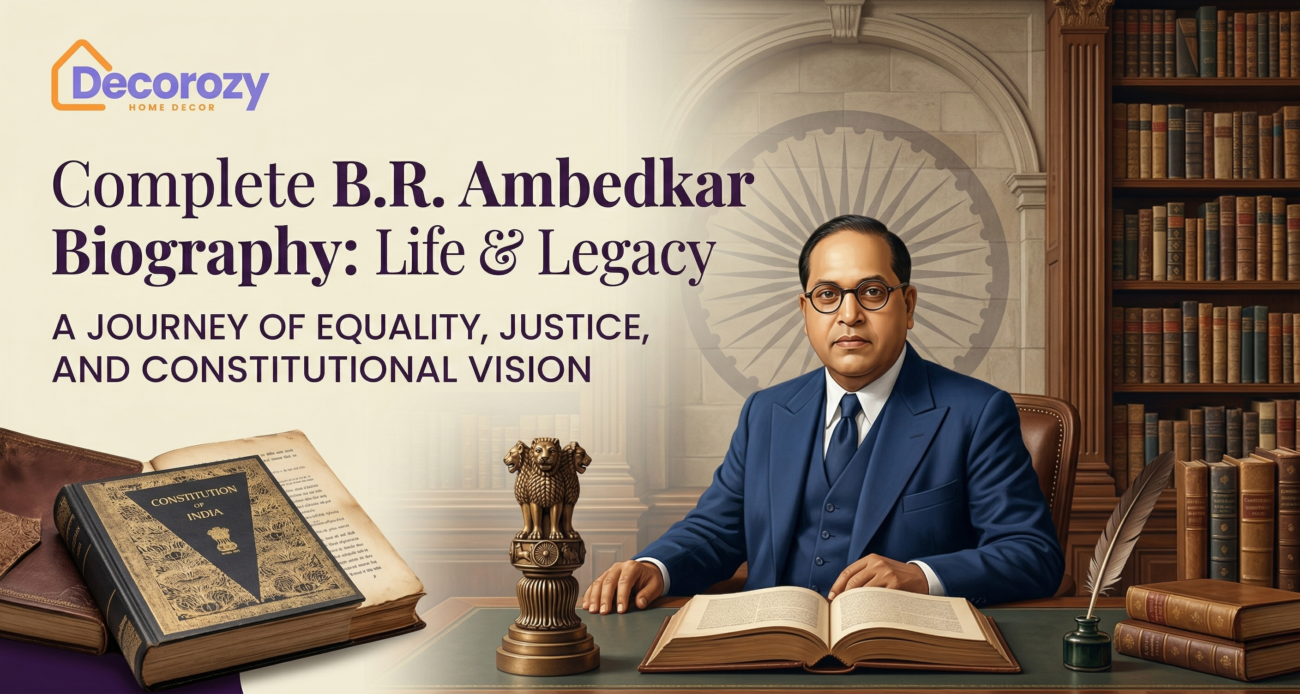
Dr. Bhimrao Ramji Ambedkar stands as a monumental figure in the foundation of modern, democratic India. When examining the role of B.R. Ambedkar in indian constitution history, his profound legal expertise and visionary leadership immediately take center stage.
He took on the monumental task of transforming a vastly diverse and complex subcontinent into a unified, sovereign republic. His unparalleled intellect ensured that the newly independent nation had a robust legal backbone.
Quick Answer: The role of B.R. Ambedkar in Indian constitution creation was paramount as the Chairman of the Drafting Committee. He meticulously structured the framework, ensuring fundamental rights, abolishing untouchability, and establishing a robust democratic republic designed to protect marginalized communities.
Understanding the Role of B.R. Ambedkar in Indian Constitution Drafting
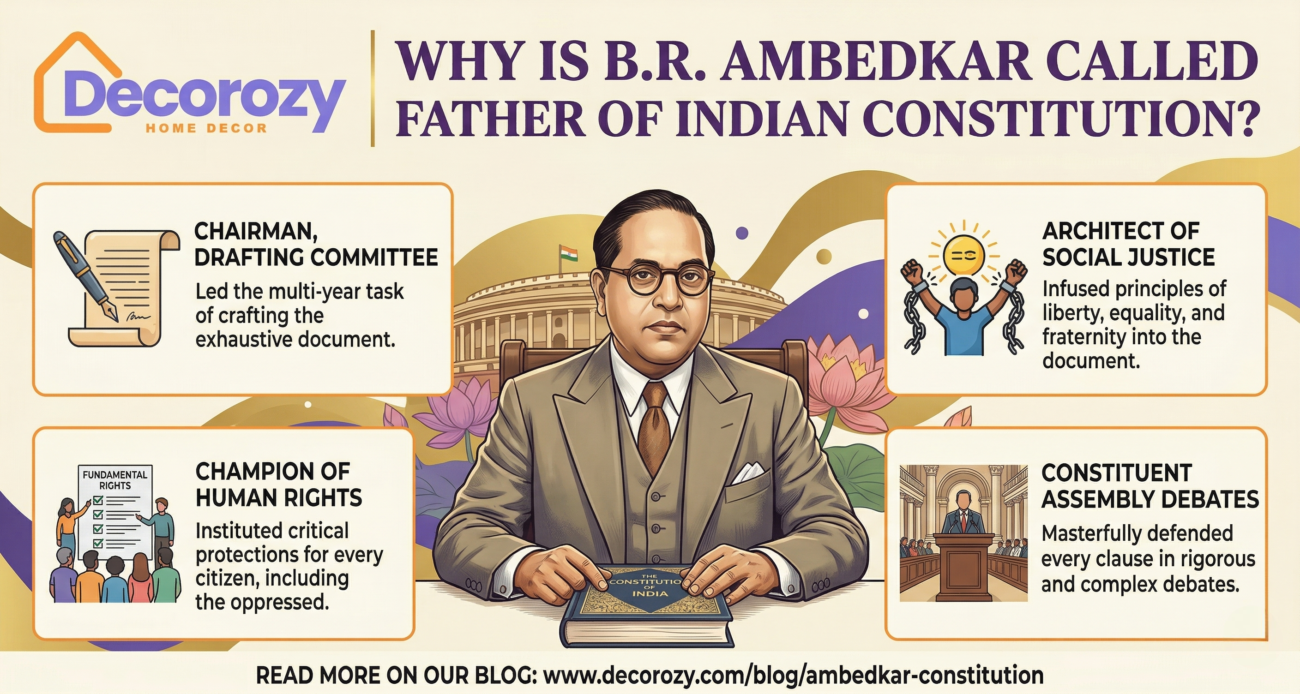
On August 29, 1947, the Constituent Assembly appointed Dr. Ambedkar as the Chairman of the pivotal Drafting Committee. This crucial appointment highlighted the assembly’s immense trust in his grasp of global constitutional law.
His primary task was to synthesize various sub-committee reports into a cohesive, functional working draft. He rigorously studied the democratic frameworks of over sixty nations to adapt the absolute best practices for India.
The meticulous role of B.R. Ambedkar in indian constitution drafting ensured a critical balance of power. He brilliantly navigated the tension between establishing a strong central authority and maintaining vital state autonomy.
Throughout the grueling drafting process, he guided the assembly through intense, complex debates. His eloquent defense of the draft document effectively unified differing political ideologies and regional interests.
Key Contributions and the Role of B.R. Ambedkar in Indian Constitution Rights
Dr. Ambedkar was a fierce, uncompromising advocate for the marginalized, embedding deep social justice directly into the legal framework. He fiercely championed the inclusion of Fundamental Rights to comprehensively protect individual liberties.
A historic milestone of his tenure was the strict constitutional abolition of untouchability. Through the drafting of Article 17, he ensured that centuries-old discriminatory social practices were legally eradicated.
Furthermore, the role of B.R. Ambedkar in indian constitution provisions included safeguarding minority interests and advancing labor laws. He strategically implemented reservations in education and government jobs to uplift historically oppressed communities.
His progressive vision extended far beyond basic administrative governance; it aimed at achieving true, lasting societal reform. He actively pushed for a Uniform Civil Code to ensure gender equality and dismantle archaic, oppressive traditions.
The Enduring Legacy of Dr. Ambedkar’s Constitutional Vision
Today, the Indian Constitution remains a living, breathing document that is both resilient and adaptable to changing times. Dr. Ambedkar’s foresight created a system equipped with powerful constitutional remedies.
He famously referred to Article 32, the right to constitutional remedies, as the very “heart and soul” of the document. This empowered ordinary citizens to directly approach the Supreme Court if their fundamental rights were violated.
His strong emphasis on “constitutional morality” continues to guide India’s judiciary, executive, and legislature today. He famously warned the assembly that without achieving social and economic democracy, political democracy would eventually collapse.
Ultimately, Dr. Ambedkar’s monumental efforts as the Chief Architect laid the enduring groundwork for the world’s largest democracy. For more deep dives into the foundational history and structural designs that shape our modern world, keep exploring the resources on Decorozy.com.
FAQ Schema
- Question 1: Why is Dr. B.R. Ambedkar called the father of the Indian Constitution?
- Answer: Dr. B.R. Ambedkar is known as the father of the Indian Constitution because he served as the Chairman of the Drafting Committee. He played the most critical role in structuring the document, synthesizing global democratic principles, and defending its provisions before the Constituent Assembly.
- Question 2: What were Dr. Ambedkar’s main contributions to fundamental rights?
- Answer: Dr. Ambedkar fiercely advocated for comprehensive Fundamental Rights, most notably the absolute abolition of untouchability (Article 17). He also championed the right to equality, freedom of religion, and the right to constitutional remedies (Article 32) to protect citizens from state overreach.
- Question 3: How long did it take the Drafting Committee to finalize the Constitution?
- Answer: Under Dr. Ambedkar’s leadership, the Constituent Assembly took exactly 2 years, 11 months, and 18 days to finalize the Constitution. The monumental document was officially adopted on November 26, 1949, and came into full legal effect on January 26, 1950.