Navratri is a profound festival of devotion, vibrant energy, and spiritual renewal that transforms your living space. Preparing your mandir is the vital first step to welcoming the nine forms of Goddess Durga into your home. To achieve this divine atmosphere, exploring the best Navratri home temple decoration ideas is essential for setting the right spiritual tone.
Quick Answer: The most effective Navratri home temple decoration ideas combine fresh marigold garlands, traditional brass diyas, and vibrant fabric backdrops. Utilize auspicious colors like red and yellow, optimize your lighting arrangements, and maintain an organized, clutter-free space for the Kalash Sthapana.
Essential Elements of Navratri Home Temple Decoration Ideas
Creating a visually striking pooja room requires a strong foundation and a clear design strategy. You must balance traditional spiritual elements with modern spatial organization.
Your focal point is the deity’s idol or picture, which should dictate the scale of your decorations. Avoid overwhelming small mandirs with oversized props.
Instead, utilize symmetrical arrangements to draw the eye naturally toward the center of the shrine. Symmetry inherently creates a sense of peace and structural harmony.
A well-structured mandir improves the overall flow of positive energy, often referred to as Vastu compliance. Keep the setup clean, functional, and deeply respectful of the festival’s traditions.
Elegant Floral Navratri Home Temple Decoration Ideas
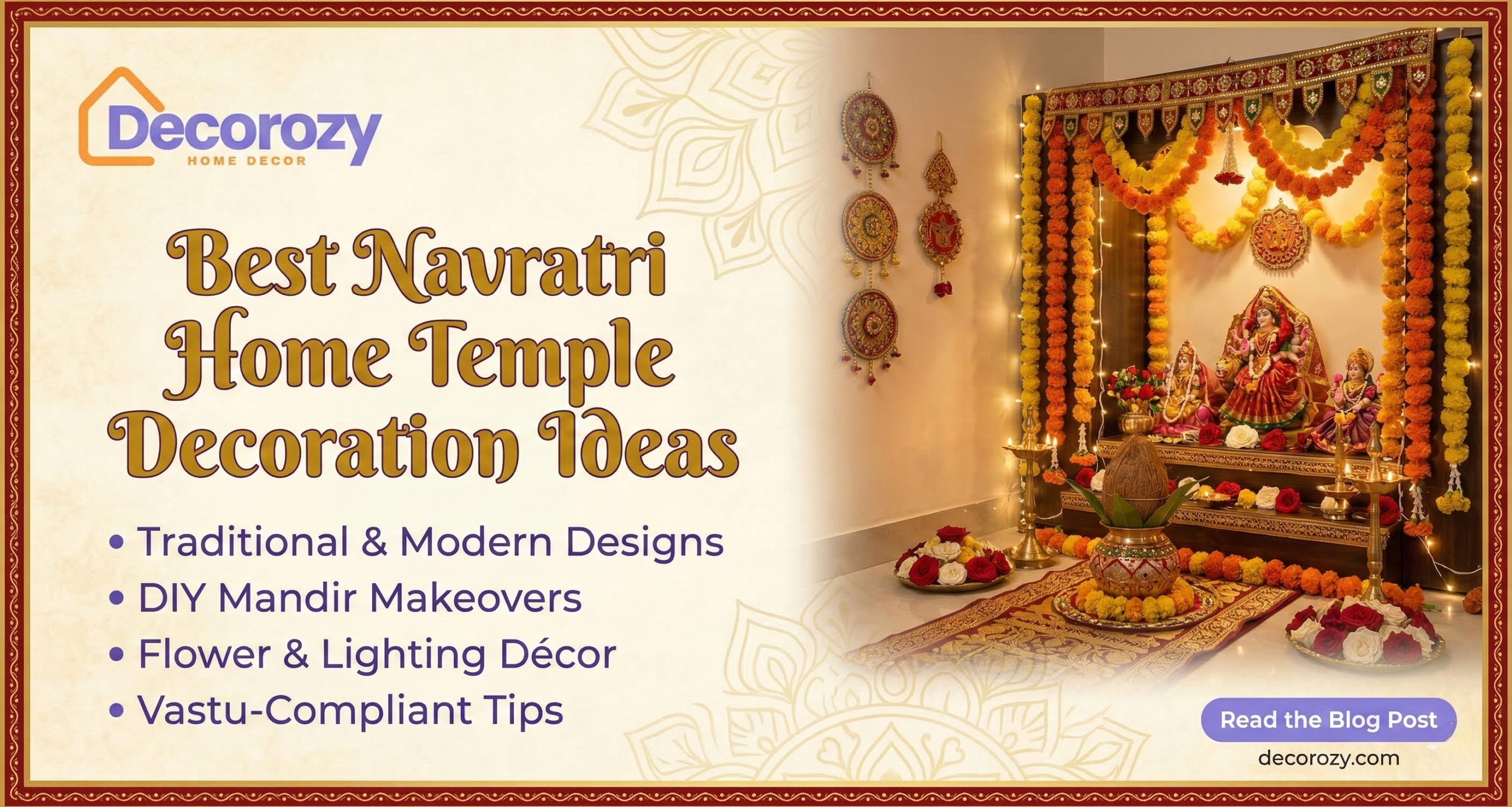
Flowers are the undisputed cornerstone of Indian festival decor, bringing instant life to any spiritual space. They offer natural fragrance, vibrant color, and deep traditional significance.
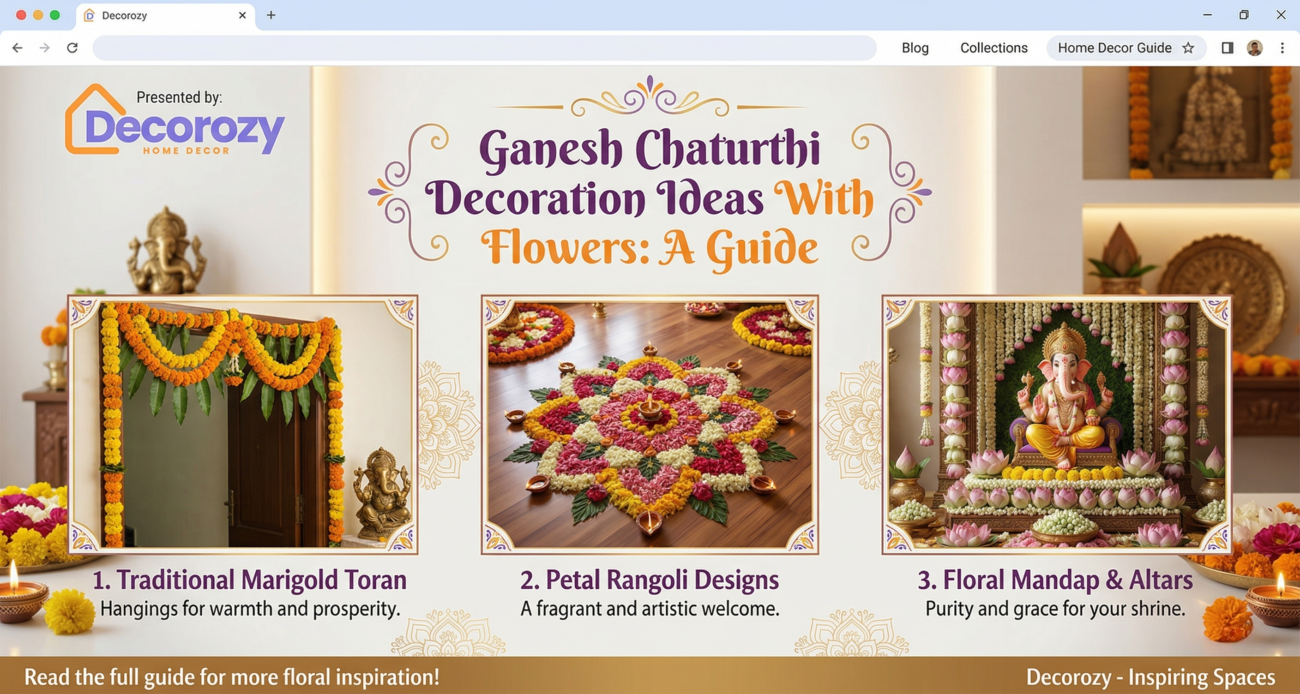
Marigold flowers are highly auspicious and remain the top choice for mandir decoration. Their robust orange and yellow hues perfectly complement traditional brass and copper pooja items.
You can create cascading floral backdrops by stringing marigolds and jasmine together. Hang these vertical strings behind the idols to create a lush, textured wall.
For a more refined look, utilize lotus flowers or fresh roses placed gently around the Kalash. Floating flowers in a wide brass bowl filled with water also adds a serene, grounding element.
Remember to replace fresh flowers every two days to maintain a pristine and vibrant aesthetic. Wilting flowers can disrupt the visual harmony of your carefully planned setup.
Strategic Lighting Arrangements for Your Mandir
Lighting is crucial for establishing the divine ambiance necessary for a Navratri pooja setup. It dictates the mood and highlights your intricate decorations.
Start with traditional oil lamps or diyas, placing them symmetrically on either side of the temple. The warm, flickering glow of diyas provides an unmatched spiritual atmosphere.
To supplement traditional flames safely, incorporate warm-toned LED fairy lights. Drape these delicate lights around the edges of the mandir or weave them through your floral garlands.
Avoid harsh, cool-white overhead lighting, as it washes out the rich colors of your decor. Opt for soft, ambient lighting that mimics the natural warmth of candlelight.
Backlighting your idols with hidden LED strips is an excellent modern technique. This creates a halo effect, making the deities appear to glow from within.
Creative Fabric Backdrops and Torans
The backdrop of your temple acts as the canvas for your entire Navratri decoration scheme. A well-chosen backdrop unifies the various elements of your pooja room.
Rich fabrics like silk, brocade, or velvet are perfect for creating an opulent setting. Choose auspicious colors such as deep red, vibrant yellow, or royal green.
You can neatly pleat these fabrics and secure them behind the main shrine. This simple technique adds immense depth and a highly polished, professional look to the space.
Adding traditional torans (door hangings) across the top of the mandir completes the framing. Look for torans embellished with mirrors, bells, or mango leaves to enhance the festive feel.
Ensure that your fabric choices are safely secured away from any open flames or diyas. Safety must always remain a priority when designing your pooja room layout.
Eco-Friendly and Sustainable Decor Practices
Modern interior design increasingly favors sustainability, and your festive decor should reflect this shift. Eco-friendly decorations are not only responsible but also aesthetically pleasing.
Replace single-use plastic decorations with natural, biodegradable materials. Banana leaves, mango leaves, and coconut shells are excellent traditional alternatives.
Consider using clay diyas instead of mass-produced plastic LED lamps. Clay diyas support local artisans and return safely to the earth after the festival concludes.
You can also create stunning rangolis using organic materials rather than synthetic chemical powders. Rice flour, turmeric, vermilion, and dried flower petals offer vibrant, safe colors.
By choosing sustainable materials, you honor the environment while maintaining the purity of your spiritual practice.
Perfecting the Kalash Sthapana Area
The Kalash Sthapana is the central ritual of the first day of Navratri. Therefore, the area surrounding the Kalash requires meticulous attention and specific decor.
Place the Kalash on a slightly elevated wooden chowki (stool) covered with a clean red cloth. This elevation signifies the importance of the ritual and draws immediate attention.
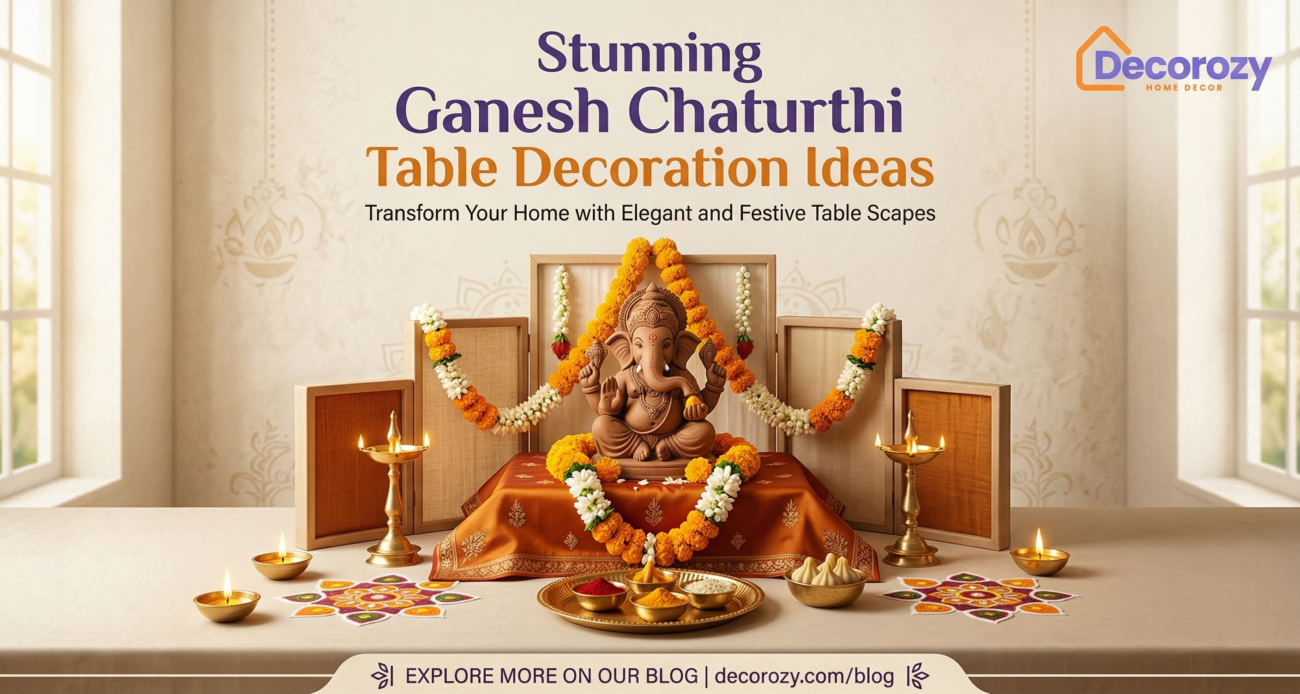
Surround the base of the chowki with a precisely drawn, geometric rangoli pattern. This grounds the setup and adds a layer of intricate traditional art.
Keep the immediate area around the Kalash clear of excessive, bulky decorations. The focus must remain firmly on the sacred vessel, the coconut, and the mango leaves.
Routine Maintenance During the Nine Days
Navratri is a nine-day commitment, meaning your decorations must withstand over a week of use. Proper maintenance is key to keeping your mandir looking immaculate.
Dedicate ten minutes each morning to refreshing the setup before your daily aarti. This includes wiping down surfaces to remove fallen petals or spilled oil.
Trim the ends of any standing flowers and change their water to prolong their freshness. Dust your fabric backdrops lightly to prevent the buildup of soot from incense sticks.
A consistently clean mandir ensures that the spiritual energy of your home remains pure and inviting.
Elevating your home’s spiritual center is easy with the right strategy and materials. For more expert interior styling tips and festive inspiration, explore our exclusive guides at Decorozy.com. Let us help you transform your home into a beautiful sanctuary.
Would you like me to elaborate on specific floral arrangements or Vastu-compliant placements for your temple?
FAQ Schema
- Question 1: How can I decorate my home temple for Navratri at home?
- Answer: You can decorate your home temple by hanging fresh marigold garlands, placing traditional brass diyas symmetrically, and using a pleated red or yellow silk fabric as a backdrop. Keep the setup organized and focus on illuminating the idols with warm fairy lights.
- Question 2: Which colors are best for Navratri mandir decoration?
- Answer: The most auspicious colors for Navratri mandir decoration are deep red, bright yellow, vibrant orange, and lush green. These warm, energetic colors represent devotion, purity, and prosperity, making them ideal for backdrops, flowers, and rangoli designs.
- Question 3: What are eco-friendly ideas for Navratri pooja decoration?
- Answer: Eco-friendly decoration ideas include using natural clay diyas, fresh flower garlands instead of plastic ones, and organic materials like rice flour and turmeric for rangolis. You can also use banana and mango leaves to frame the mandir naturally.