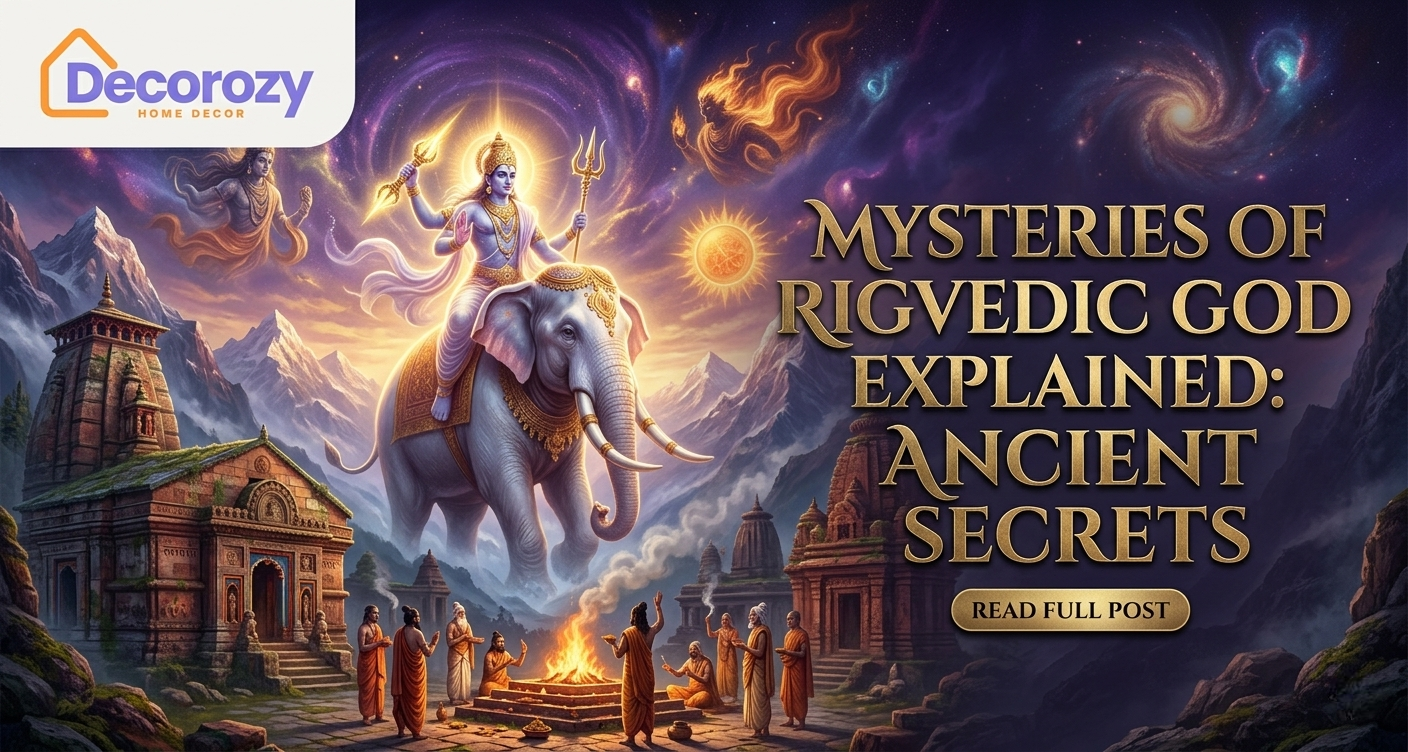
Welcome to the ultimate guide where the mysteries of rigvedic god explained will transform your understanding of ancient Indian texts. The Rigveda is the oldest known Sanskrit scripture, filled with powerful hymns dedicated to elemental deities.
But who were these gods, and what cosmic principles did they truly represent? By exploring the symbolic layers of deities like Indra, Agni, and Varuna, we can decode their profound hidden meanings.
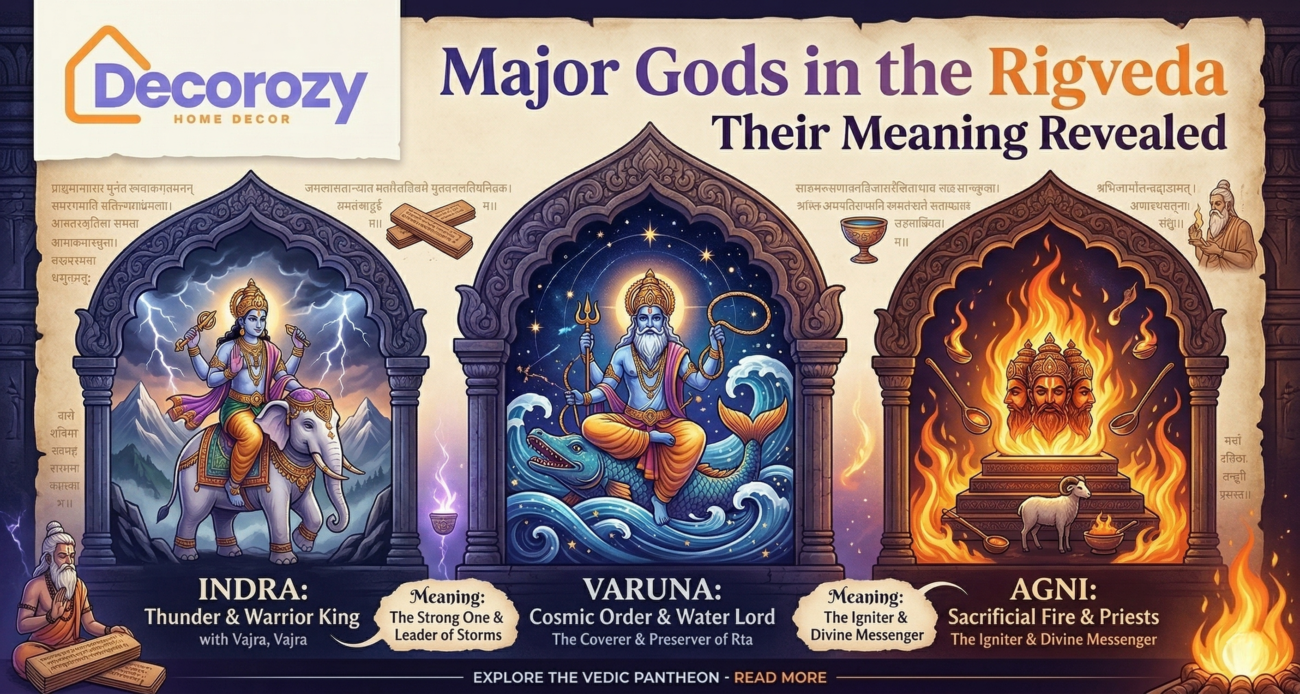
Quick Answer: The mysteries of the Rigvedic gods revolve around their representation of natural forces and cosmic order (Rita). Deities like Indra (thunder), Agni (fire), and Varuna (law) were worshipped as symbolic manifestations of a unified, supreme cosmic consciousness guiding the universe and human morality.
Core Concept: Unveiling the Mysteries of Rigvedic God Explained
The Rigveda forms the foundational pillar of ancient Hindu philosophy and spiritual tradition. It features over a thousand intricate hymns dedicated to various deities, known as Devas, who govern the natural world.
Getting the mysteries of rigvedic god explained requires looking past literal translations and mythological surface layers. These divine beings symbolize deep psychological truths and the ecological balance necessary for human survival.
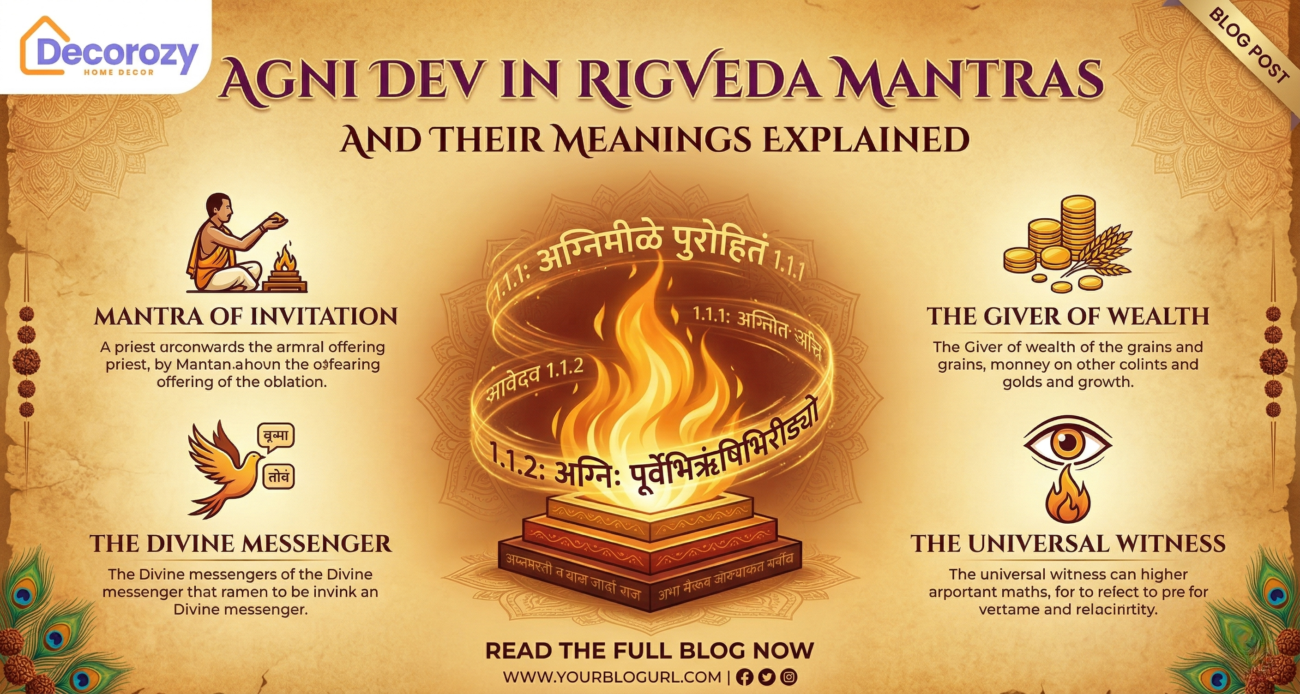
For instance, Agni, the fire god, serves as the ultimate messenger between humans and the divine. He represents physical illumination, transformative energy, and the spark of consciousness residing within every living being.
Benefits or Importance: Why Understanding the Mysteries of Rigvedic God Explained Matters Today
You might wonder why ancient hymns are still highly relevant in our modern, fast-paced world. Understanding these historical texts offers profound insights into human psychology and our deep-rooted connection to nature.
The Rigvedic deities teach us the critical importance of harmony and cosmic law, known anciently as Rita. Respecting these universal laws leads to a more balanced, sustainable, and mindful way of daily living.
Furthermore, these ancient scriptures provide a timeless philosophical framework for personal spiritual growth. They encourage deep self-reflection, urging us to ignite our divine spark and overcome our inner obstacles.
Detailed Analysis: A Deep Dive into the Major Deities
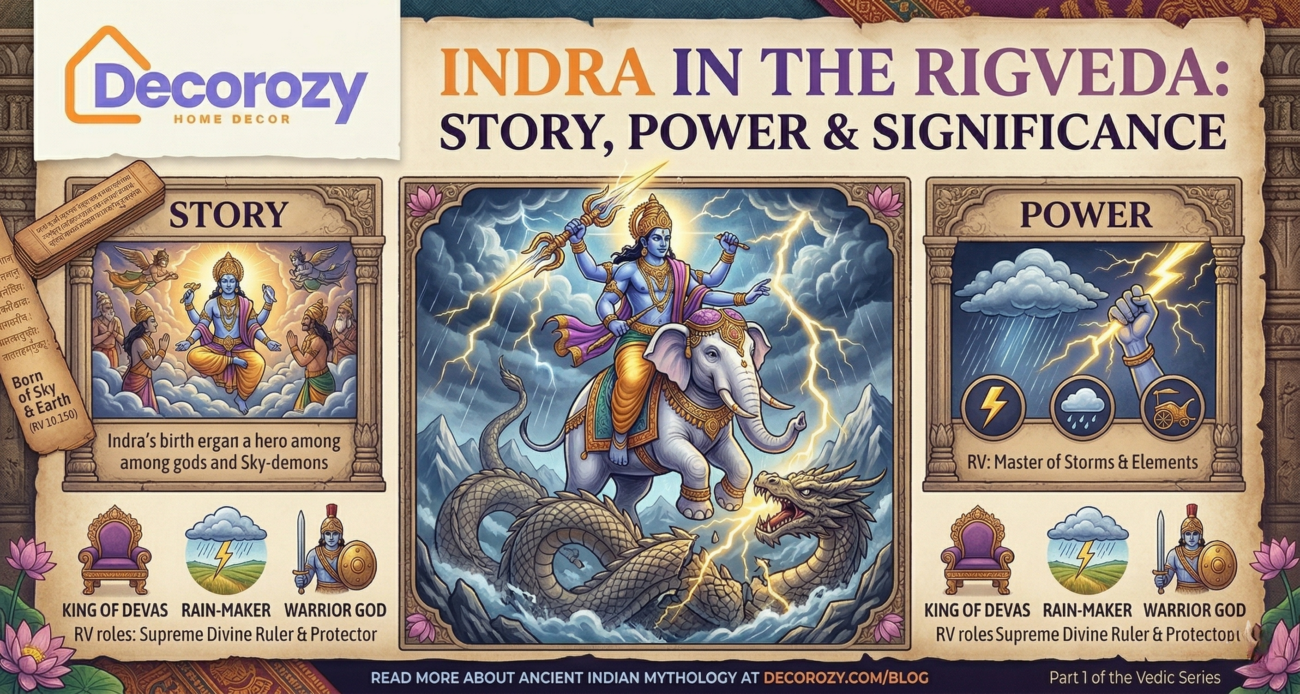
Indra stands proud as the undisputed king of the gods, wielding the mighty thunderbolt known as the Vajra. He is celebrated for slaying the serpent Vritra, symbolizing the triumph of dynamic energy over dangerous stagnation.
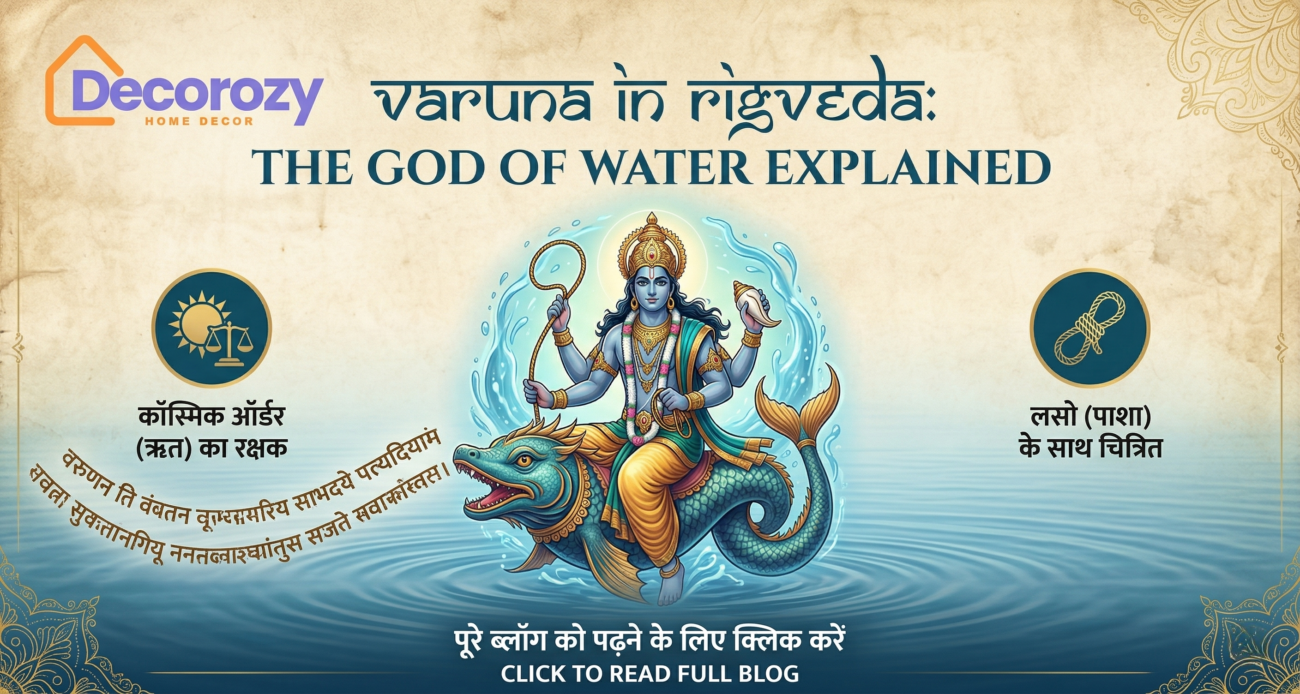
Varuna serves as the strict, all-seeing guardian of both cosmic and moral order across the universe. He is said to possess a thousand eyes, observing human actions to ensure that absolute justice and truth prevail.
Soma represents both a highly sacred plant and the associated deity of divine inspiration. The mysterious Soma drink brought profound ecstasy and vision, linking mortal human minds directly to the immortal realms.
Decoding these ancient scriptures opens a fascinating window into humanity’s earliest and most profound spiritual inquiries. By learning these ancient truths, we can apply their timeless wisdom to enrich our modern spiritual practices.
Are you ready to bring ancient wisdom and harmonious design into your everyday life? Explore more insightful guides and elevate your living space at Decorozy.com today!
FAQ Schema
- Question 1: Who is the most powerful god in the Rigveda?
- Answer: Indra is the most frequently mentioned and celebrated deity in the Rigveda. He is the powerful god of thunder, rain, and war, symbolizing dynamic cosmic power and the necessary destruction of life’s obstacles.
- Question 2: What is the concept of Rita in the Rigveda?
- Answer: Rita is the fundamental cosmic law that consistently regulates the universe. It represents absolute truth, universal order, and harmony, guiding both the natural cycles of the world and the moral conduct of humanity.
- Question 3: Is the Rigveda polytheistic or monotheistic?
- Answer: While it features many elemental gods (polytheism), later hymns point toward a single underlying reality (henotheism). The various deities are ultimately viewed as different expressions of one supreme, unified cosmic truth.