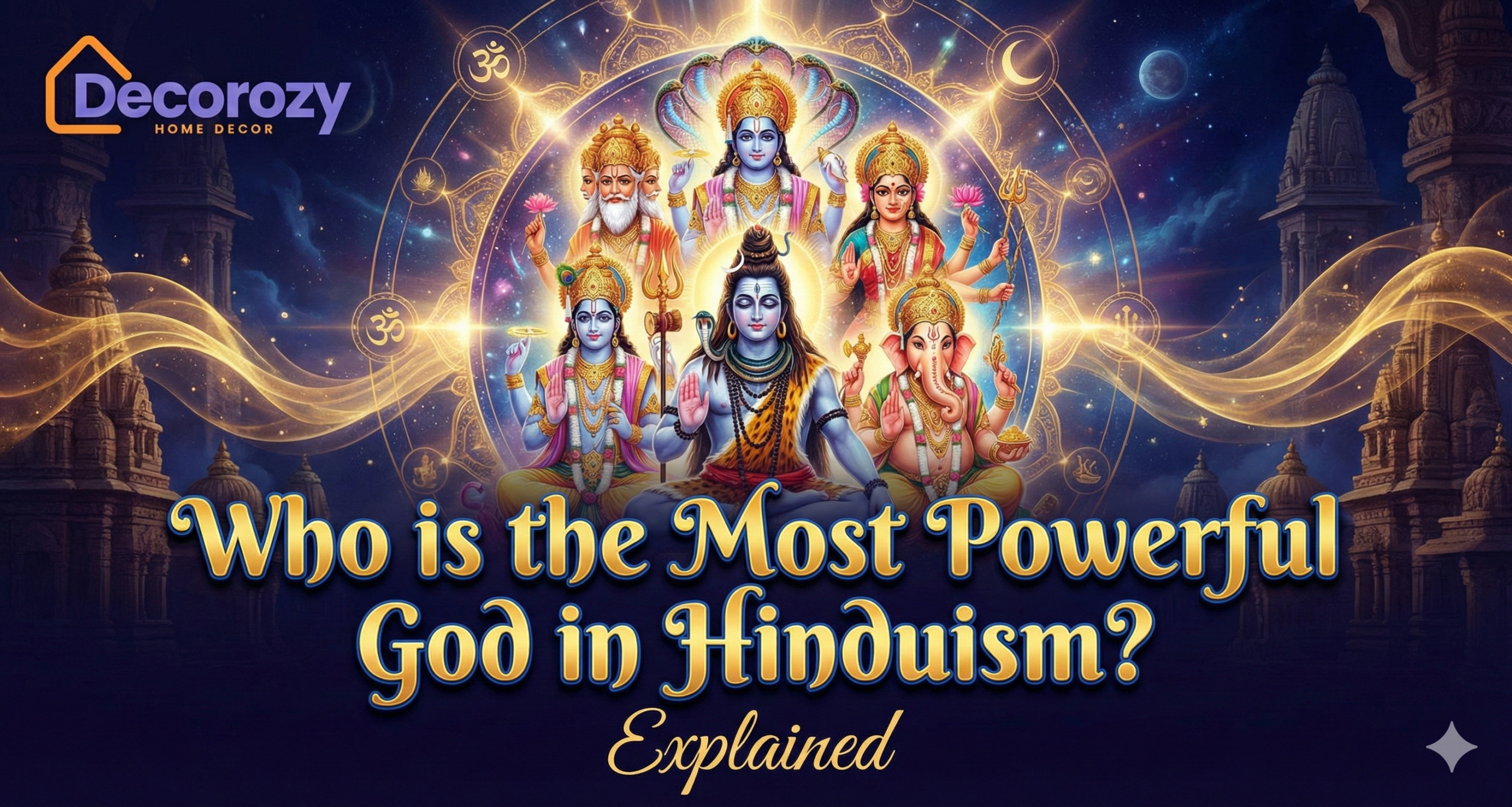

The Sanatana Dharma is built on a vast, rich tapestry of divine energy and cosmic balance. Believers and scholars alike often ask: who is the most powerful god in Hinduism?
Because the pantheon is incredibly diverse, defining absolute power is not a simple task. From the fierce strength of Lord Shiva to the protective nature of Lord Vishnu, each deity serves a specific, vital purpose.
Quick Answer: There is no single most powerful god in Hinduism. Power is decentralized among the Trimurti—Brahma (Creator), Vishnu (Preserver), and Shiva (Destroyer)—and the divine feminine. Supreme power depends entirely on sectarian beliefs, meaning the ultimate deity is the one a devotee connects with most deeply.
Understanding the Concept of the Most Powerful God in Hinduism
In western paradigms, power is often viewed as a hierarchy with a single supreme ruler at the top. However, Hindu mythology operates on a system of cosmic balance and specialized divine duties.
Rather than competing for a singular throne, Hindu deities work in harmony to sustain the universe. The concept of power here transcends mere physical strength; it encompasses wisdom, compassion, and spiritual liberation.
For a Vaishnava, Lord Vishnu represents the ultimate truth, while a Shaivite sees Lord Shiva as the supreme reality. Ultimately, the question of supremacy is beautifully subjective, rooted in personal devotion (Bhakti) rather than an objective ranking.
The Cosmic Roles of the Most Powerful Gods in Hinduism
To understand divine power, we must look at how the universe’s responsibilities are divided. The most fundamental division of power rests within the Trimurti, the holy trinity of supreme divinity.
Brahma creates, Vishnu preserves, and Shiva destroys to make way for new life. You cannot have creation without eventual destruction, nor can you maintain life without a preserver.
Beyond the male trinity, the Tridevi (the supreme goddesses) hold equal, if not greater, significance in certain sects. Goddesses like Durga and Kali represent “Shakti,” the primordial cosmic energy that fuels all existence and action in the universe.
Detailed Analysis of Top Hindu Deities
Lord Shiva: The Destroyer and Transformer
Lord Shiva is universally revered as the Destroyer within the Trimurti. However, his destruction is not malicious; it is a necessary cleansing that allows for regeneration.
Known as Mahadeva (The Great God), he is the lord of yogis, representing deep asceticism and ultimate knowledge. Whether performing the cosmic dance as Nataraja or meditating on Mount Kailash, Shiva grants his devotees the strength to conquer their baser instincts.
Lord Vishnu: The Preserver
As the protector of the universe, Lord Vishnu ensures that cosmic order, or dharma, is maintained. He rests on the cosmic serpent Sheshnag in the ocean of Kshir Sagar, keeping watch over all creation.
Whenever evil threatens to overwhelm the world, Vishnu incarnates on Earth as an avatar. His manifestations, most notably Lord Rama and Lord Krishna, are celebrated for guiding humanity through profound turmoil.
Lord Brahma: The Creator
Lord Brahma is tasked with the monumental job of creating the universe and all life within it. Typically depicted with four heads, he represents the four Vedas and the ability to see in all cardinal directions.
Though he is less frequently worshipped in standalone temples today, his role is foundational. Without Brahma’s initial spark, the domains of Vishnu and Shiva would cease to exist.
Goddess Durga and Kali: The Warrior and the Protector
The divine feminine, or Shakti, is the active energy of the universe. Goddess Durga is the ultimate warrior, created by the combined anger of the gods to defeat the demon Mahishasura.
Goddess Kali, a fierce manifestation of this energy, is the master of time and change. She destroys ego and illusion, serving as a fierce but profoundly compassionate protector of her devotees.
Lord Ganesha and Lord Hanuman
Power in Hinduism also takes the form of intellect, obstacle removal, and unwavering devotion. Lord Ganesha, the elephant-headed deity, is worshipped before all others as the God of Intellect and Wisdom.
Lord Hanuman, an avatar of Shiva and the greatest devotee of Lord Rama, symbolizes immortal physical strength and pure loyalty. His ability to move mountains for those he loves makes him a universal symbol of spiritual and physical power.
Conclusion: Finding Your Divine Connection
Pinning down just one deity as the absolute highest authority belittles the intricate balance of the Sanatana faith. Every god and goddess holds a unique, irreplaceable role in the maintenance of reality.
The true power of these deities lies in their ability to inspire, guide, and protect their devotees.
Which deity’s story resonates the most with your personal spiritual journey? Share your thoughts in the comments below, or explore our other guides to dive deeper into Hindu mythology!
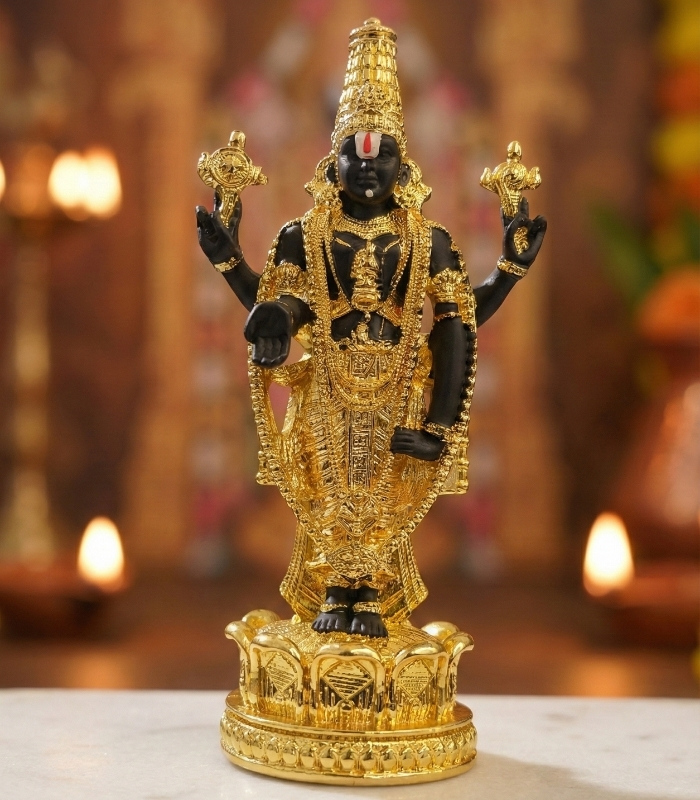
24K Gold Plated Tirupati Balaji Idol | Lord Venkateswara Murti
Invite divine prosperity and blessings with this
24K Gold Plated Tirupati Balaji Idol,
crafted to bring the sacred presence of Lord Venkateswara into your home mandir.
- Material: Premium resin base
- Finish: 24K Gold Electroplated
- Ideal For: Pooja room, home temple & gifting
82 in stock
Section 3: FAQ Schema
Q: Who is the supreme god in Hinduism? A: There is no single supreme god universally agreed upon in Hinduism. Followers of Vaishnavism consider Lord Vishnu (and his avatars like Krishna) as supreme. Shaivites worship Lord Shiva as the ultimate reality, while Shaktas view the Goddess (Devi/Durga) as the supreme cosmic power.
Q: Are Shiva and Vishnu the same? A: While they have different roles—Shiva as the Destroyer and Vishnu as the Preserver—they are fundamentally interconnected. Many Hindu philosophies view them as two different manifestations of the exact same ultimate, formless reality (Brahman).
Q: Who is the most powerful goddess in Hinduism? A: Goddess Durga, also known as Shakti or Devi, is widely considered the most powerful goddess. She represents the active, dynamic energy of the universe and was formed from the combined powers of all the male gods to vanquish invincible evil forces.