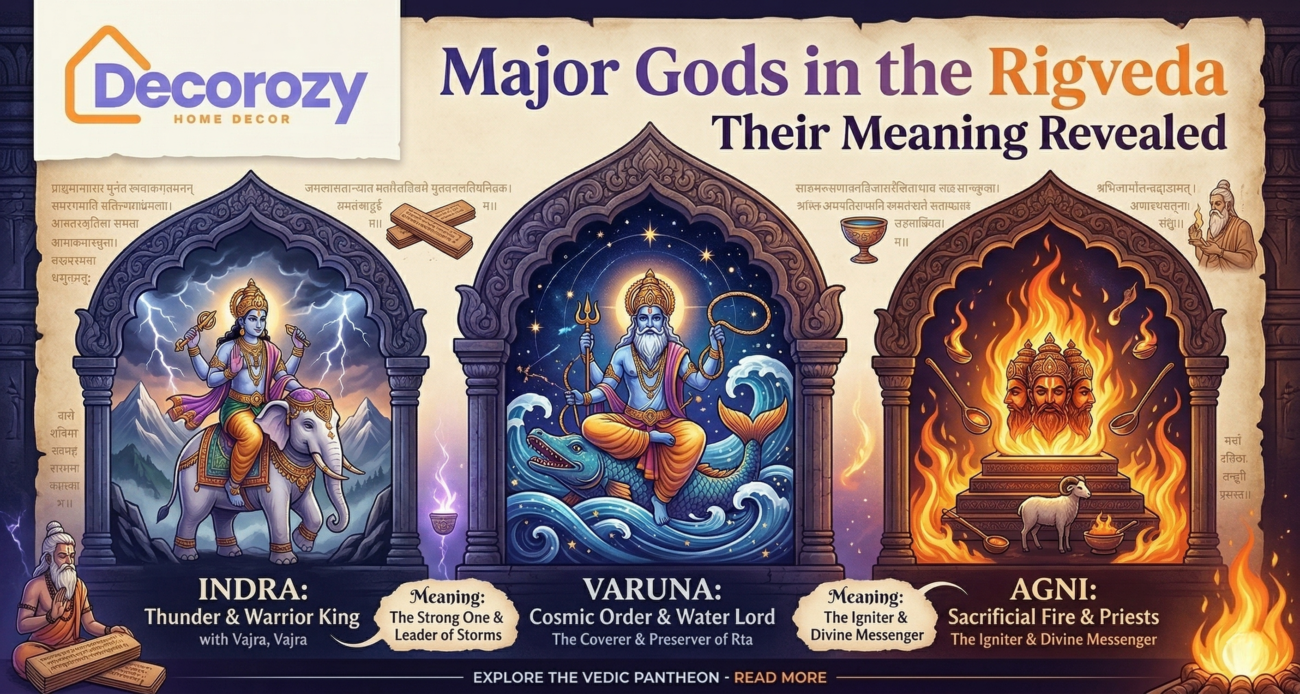
The ancient Vedic texts hold profound wisdom about early Indian spirituality, natural forces, and cosmic order. Among these sacred historical scriptures, understanding the major gods in the rigveda and their meaning is absolutely crucial.
These deities represent the fundamental, untamed forces of nature and early human existence.
By exploring this ancient pantheon, we unlock the true foundations of historical Hindu philosophy and cultural evolution.
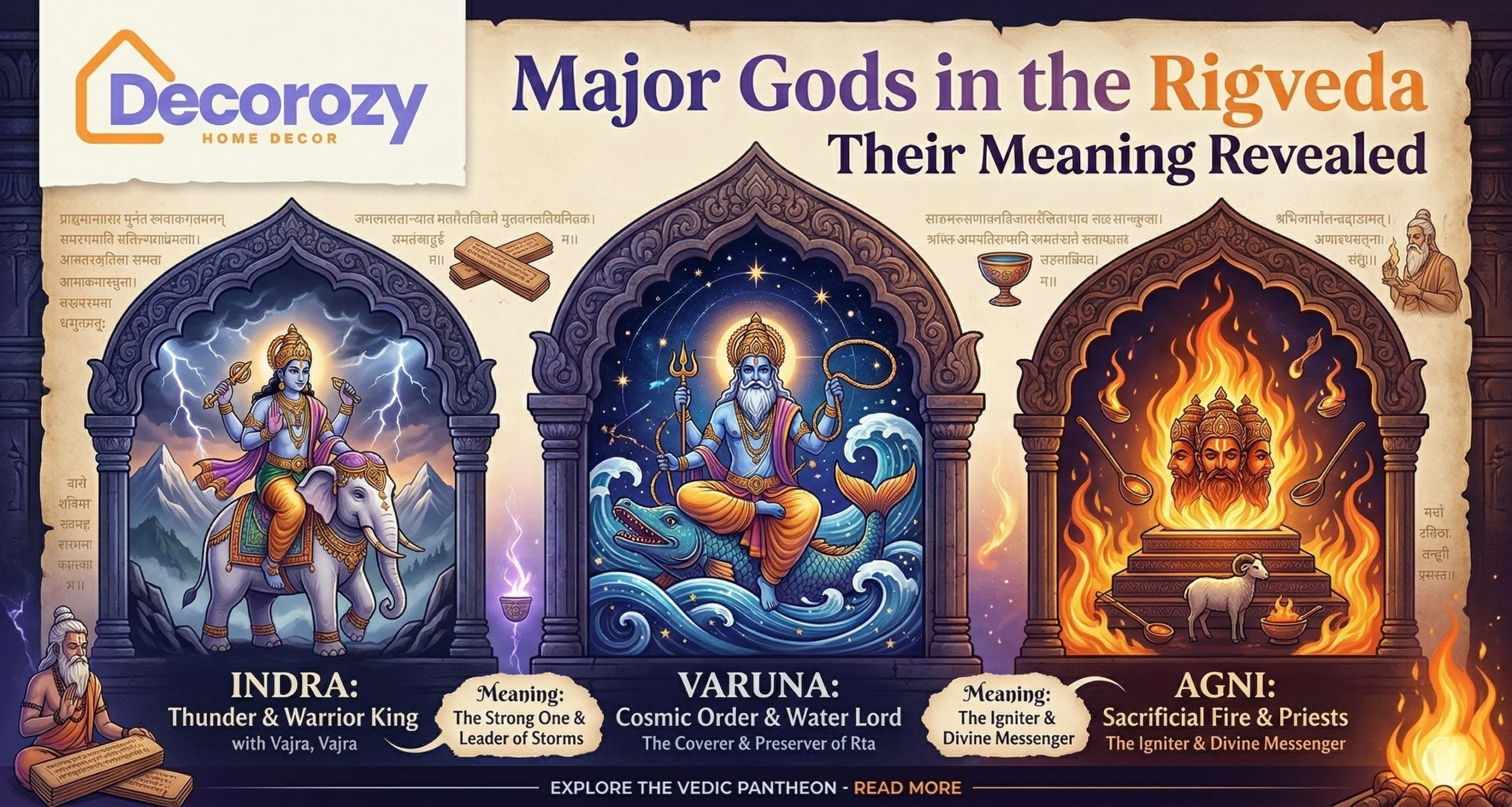
Quick Answer: The major gods in the Rigveda primarily represent natural elements and cosmic principles. Indra is the supreme deity of thunderstorms and war. Agni is the god of fire and divine messenger. Soma represents the sacred plant, while Varuna oversees cosmic order and moral law.
The Core Concept Behind the Major Gods in the Rigveda and Their Meaning
The Rigveda is an expansive collection of ancient Indian hymns composed in Vedic Sanskrit.
Within its verses, deities are not merely human-like figures but powerful personifications of nature.
This deep connection to ecological forces explains the fundamental roles of the major gods in the rigveda and their meaning.
Early Vedic worshippers sought harmony with the universe through complex rituals and fiery sacrifices.
They believed that praising these celestial beings would ensure agricultural prosperity and physical protection.
Therefore, decoding these gods gives modern scholars a transparent window into early human psychology.
The pantheon is scientifically divided into terrestrial, atmospheric, and celestial deities.
Each category governs a specific, undeniable domain, from the earthly fire to the stormy skies.
This highly structured worldview highlights a deeply organized and systemic ancient spiritual framework.
Why Studying the Major Gods in the Rigveda and Their Meaning Matters Today
You might wonder why ancient Vedic deities remain contextually relevant in the modern era.
Studying the major gods in the rigveda and their meaning directly reveals the roots of modern Hinduism.
It maps the fascinating evolution of human thought from basic nature worship to complex, abstract theology.
Historical linguistics and cultural anthropology heavily rely on the preservation of these ancient texts.
Scholars actively use the Rigvedic descriptions to trace the migration and cultural shifts of Indo-Aryan groups.
This makes the text a vital, data-rich historical artifact, not just a religious document.
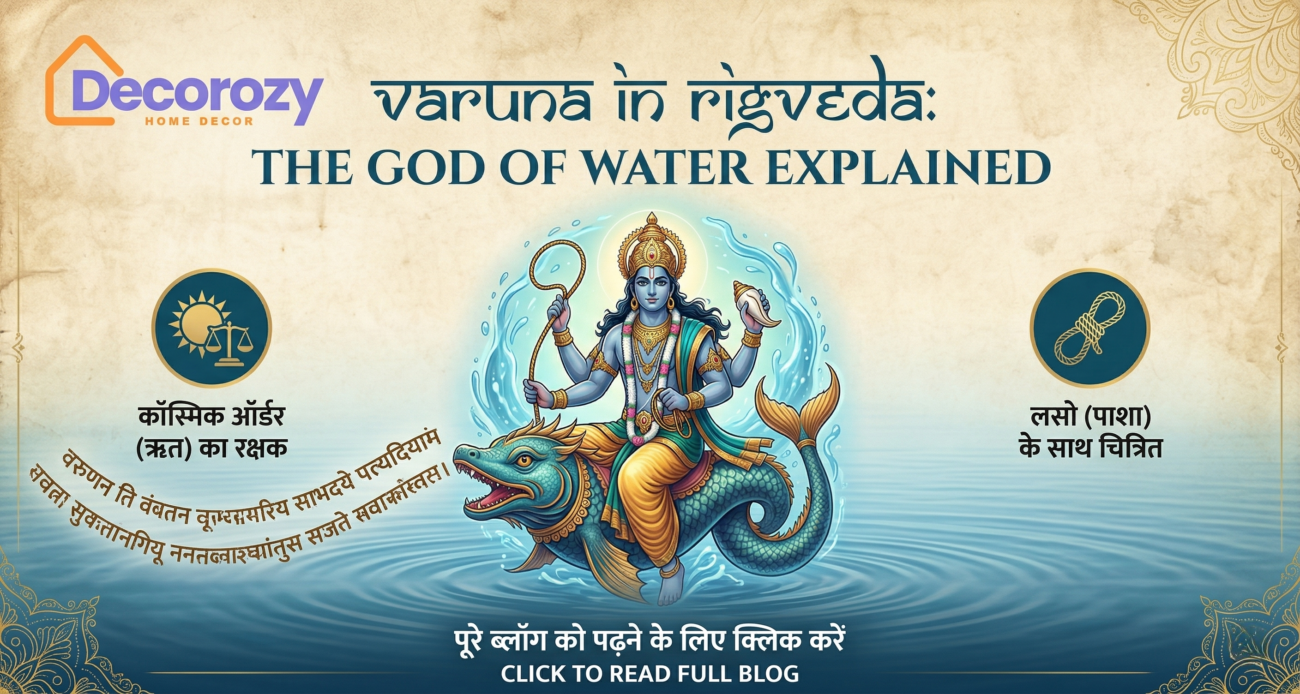
Furthermore, the concepts of cosmic order, or Rta, overseen by gods like Varuna, still resonate deeply today.
These ancient ideas formed the foundational basis for the later, universally recognized philosophical concept of Karma.
Learning about them radically enriches our overall understanding of global spiritual heritage and ethical history.
A Detailed Look at Key Deities and Their Cosmic Roles
Let us deeply analyze the specific characteristics and historical functions of these powerful ancient figures.
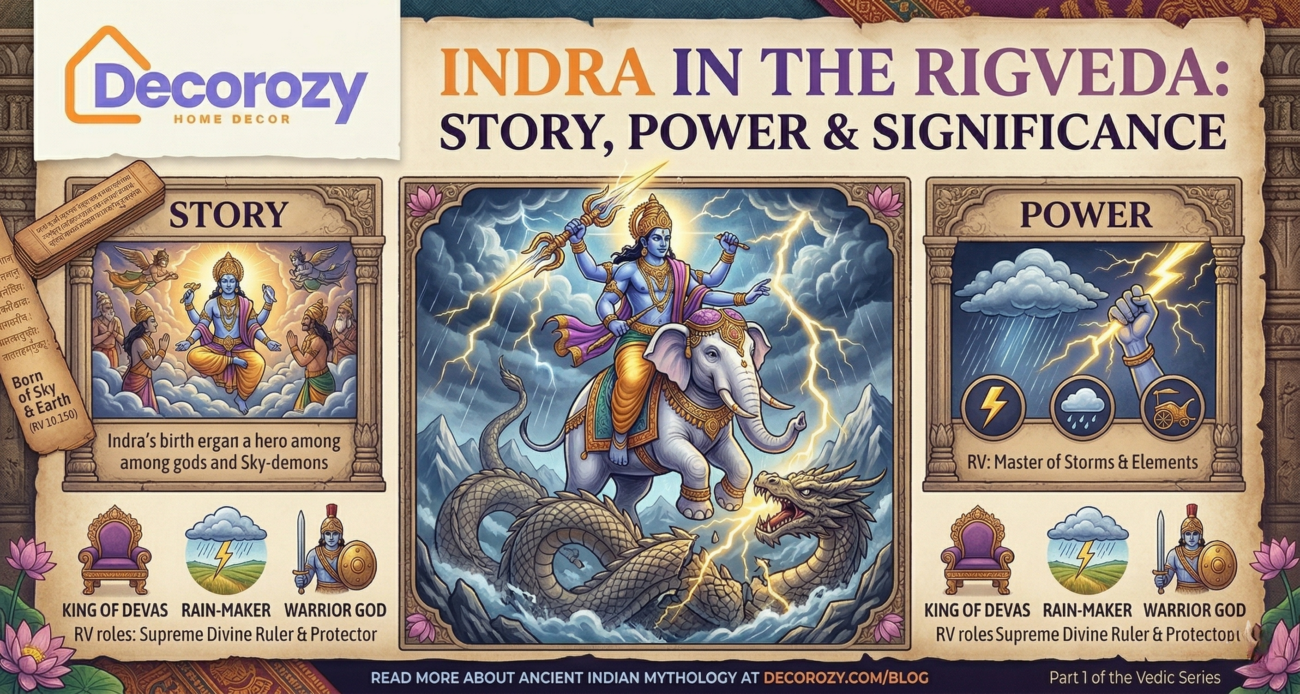
Indra consistently stands out as the most invoked deity, acting as a fierce warrior god wielding a thunderbolt.
He heavily symbolizes courage, martial strength, and the vital monsoonal rains needed for crops to thrive.
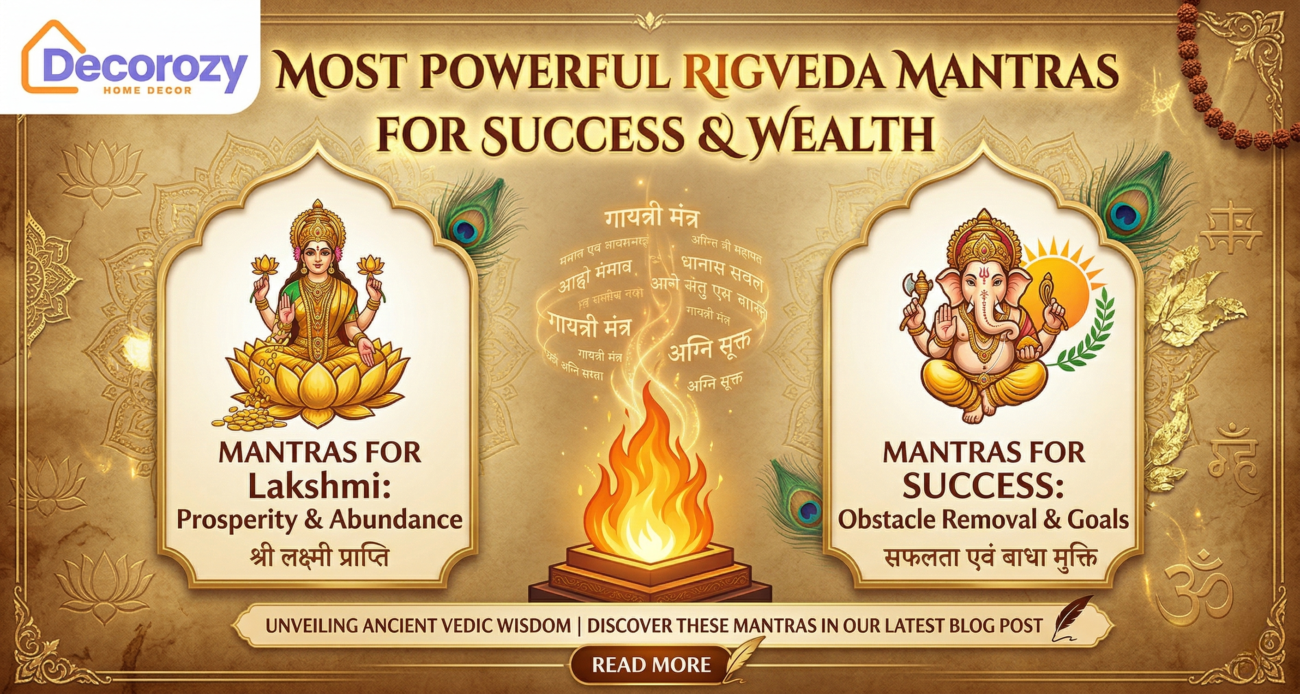
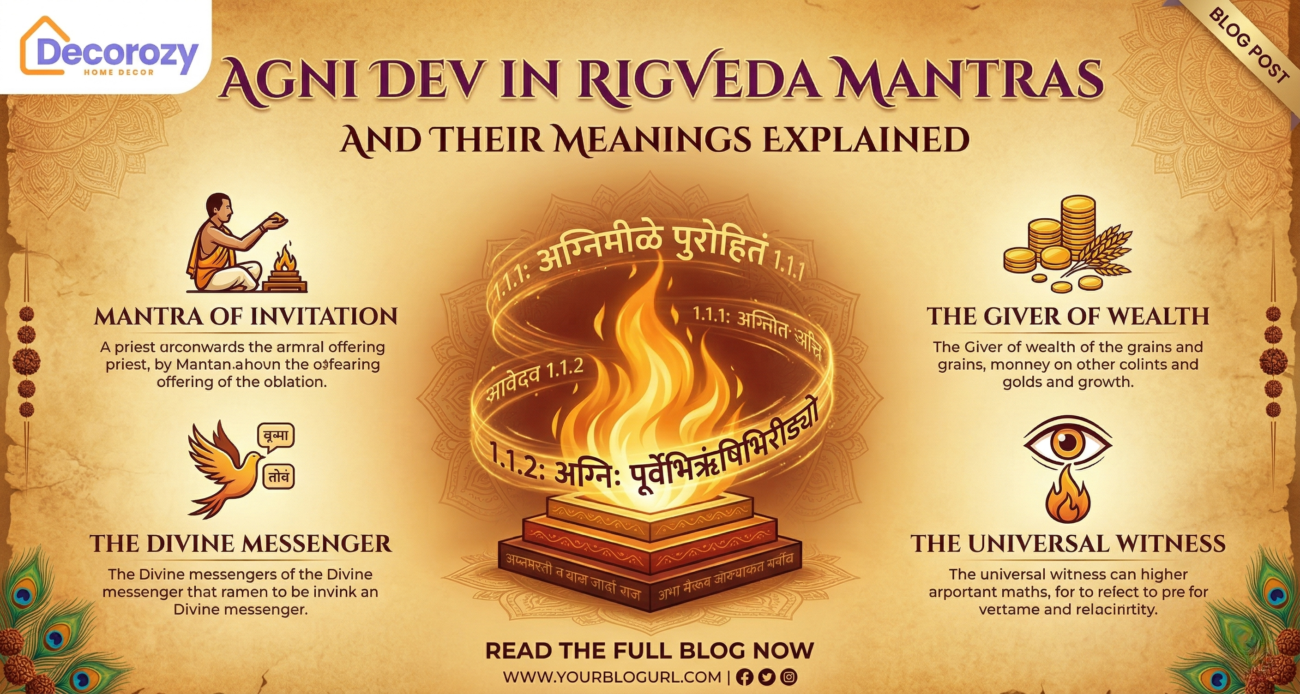
Agni, the radiant god of fire, serves as the crucial, irreplaceable bridge between mortal men and the divine.
He consumes the physical sacrificial offerings and carries their essence upward to the celestial realm.
Without Agni, the entire Vedic sacrificial and economic system could not function properly.
Another fascinating figure is Soma, representing both a celestial deity and a highly intoxicating ritual drink.
Soma actively inspired the ancient poets and warriors, acting as a vivid symbol of divine bliss and immortality.
These complex, intertwined dualities are exactly what makes Vedic mythology so structurally captivating and historically rich.
The Rigvedic pantheon offers a fascinating, structured glimpse into humanity’s earliest organized attempts to understand the cosmos. From the thundering, life-giving skies of Indra to the sacred, transformative fires of Agni, these deities shaped an entire civilization’s worldview.
Ready to explore more deep historical insights and cultural aesthetics? Continue reading on Decorozy.com to discover more authoritative, well-researched content on history, lifestyle, and meaningful design!
FAQ Schema
- Question 1: Who is the most important god in the Rigveda?
- Answer: Indra is considered the most important and frequently invoked god in the Rigveda. He is the king of the gods, the ruler of the heavens, and the primary deity of thunderstorms, lightning, and war, with over 250 hymns dedicated solely to him.
- Question 2: What is the precise role of Agni in Vedic mythology?
- Answer: Agni is the god of fire and serves as the essential messenger between humans and the divine gods. He receives sacrificial offerings cast into the ritual fire and transports them to the celestial deities, making him central to all Vedic practices.
- Question 3: What does the concept of Rta mean in the Rigveda?
- Answer: Rta is the fundamental cosmic principle of natural truth, universal order, and moral harmony. The deity Varuna is the primary guardian of Rta, ensuring that both the physical world and human morality function in a state of perfect, uninterrupted balance.