The spiritual essence of Odisha lies in its majestic heritage and vibrant festivals that attract millions worldwide. Among these, the jagannath temple history and rath yatra stands out as a profound saga of devotion, architectural brilliance, and ancient traditions. Unraveling this epic narrative reveals the deep-rooted cultural heartbeat of India.
Quick Answer: Built in the 12th century by King Anantavarman Chodaganga Deva, Puri’s Jagannath Temple is a sacred Hindu shrine. Its iconic Rath Yatra is a massive annual chariot festival celebrating Lord Jagannath’s journey to the Gundicha Temple, symbolizing universal devotion and spiritual liberation.
The Core Concept: Exploring Jagannath Temple History and Rath Yatra
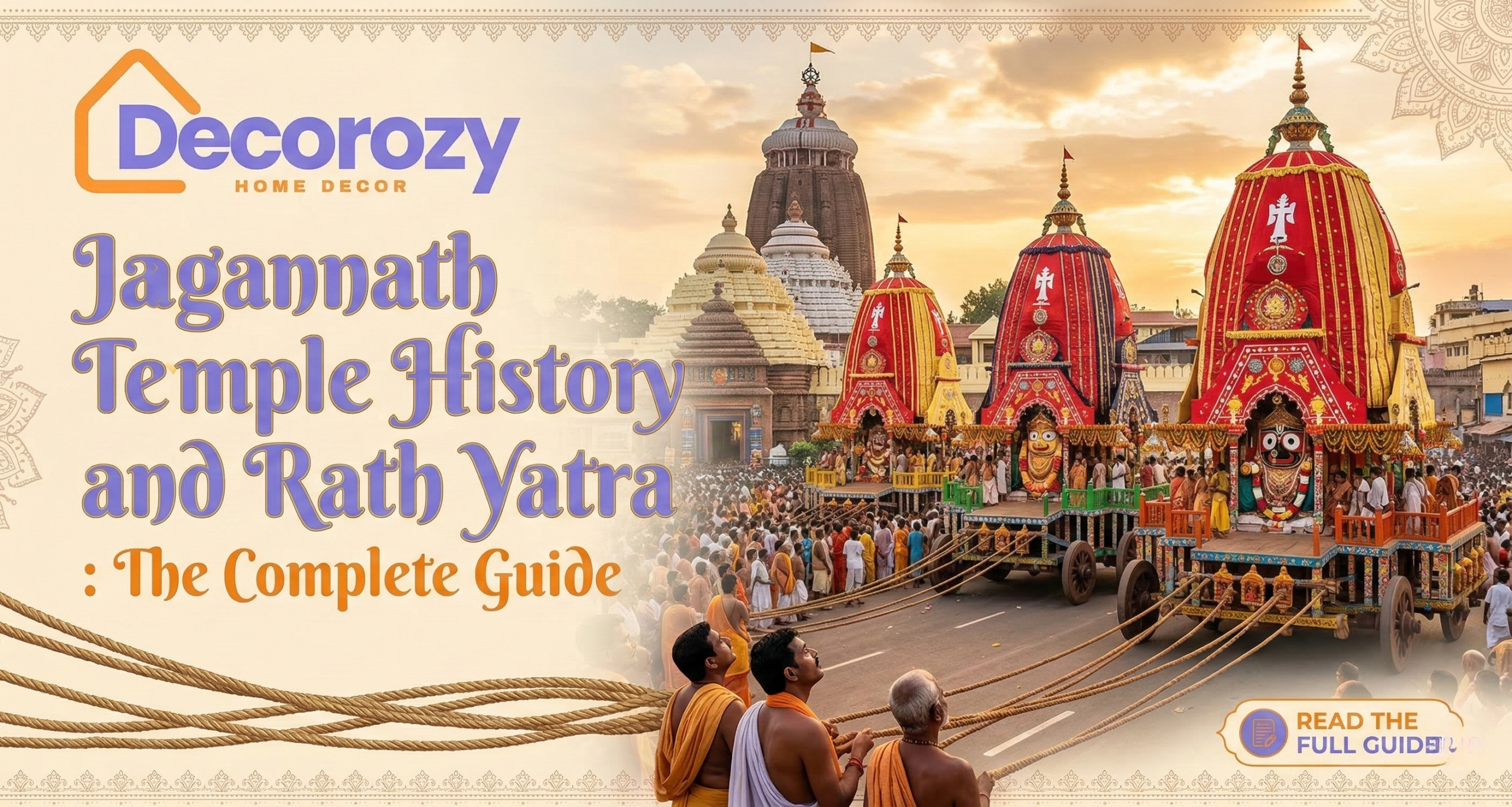
The foundation of the present-day Jagannath Temple dates back to the 12th century under the reign of King Anantavarman Chodaganga Deva. This architectural marvel of the Eastern Ganga Dynasty exemplifies the magnificent Kalinga style of construction.
According to legendary texts like the Skanda Purana, the original shrine was commissioned by King Indradyumna of Malwa. He famously envisioned Lord Vishnu’s divine form carved from a sacred log of wood floating in the sea.
This ancient origin story beautifully intertwines with the annual chariot festival. The jagannath temple history and rath yatra reflect the deep spiritual bond between the deities and their millions of dedicated followers.
The Spiritual Importance of Jagannath Temple History and Rath Yatra
The Rath Yatra is not merely a grand procession; it represents the soul’s profound journey toward ultimate spiritual enlightenment. Lord Jagannath, revered as an avatar of Lord Vishnu, steps out of his inner sanctum to bless everyone.
This highly inclusive tradition breaks down rigid social barriers, allowing devotees of all backgrounds to seek divine grace. Pulling the sacred chariot ropes is widely believed to cleanse lifelong sins and bestow immense spiritual merit.
The journey to the Gundicha Temple commemorates the Lord’s longing to visit his birthplace. It beautifully symbolizes the divine descending to earth to personally connect with humanity in a pure, loving, and accessible form.
A Detailed Look at the Magnificent Chariots and Rituals
The festival features three colossal wooden chariots, newly constructed each year by skilled traditional artisans. Lord Jagannath rides the vibrant yellow and red Nandighosa, which boasts sixteen massive wheels and towering canopies.
Lord Balabhadra’s magnificent blue and red chariot is known as Taladhwaja, while Goddess Subhadra travels in the striking black and red Darpadalana. These towering structures are pulled through the streets by thousands of joyous devotees chanting in unison.
Key rituals include the Chera Pahara, where the Gajapati King humbly sweeps the chariot platforms with a golden broom. After a resting period at the Gundicha Temple, the deities return home during the grand Bahuda Yatra procession.
The captivating history and scale of this festival offer a breathtaking glimpse into India’s timeless spiritual heritage. Explore more incredible cultural guides, historical deep-dives, and travel tips right here on Decorozy.com!
FAQ Schema
- Question 1: Who built the Jagannath Temple in Puri?
- Answer: The present Jagannath Temple was built in the 12th century by King Anantavarman Chodaganga Deva of the Eastern Ganga dynasty, featuring classic Kalinga architecture.
- Question 2: What is the main significance of the Rath Yatra?
- Answer: The Rath Yatra commemorates Lord Jagannath’s annual visit to the Gundicha Temple. It symbolizes spiritual liberation and inclusivity, as the deity leaves the temple to bless all devotees regardless of their background.
- Question 3: Why are the Jagannath idols made of wood?
- Answer: According to ancient legend, King Indradyumna was divinely instructed to carve the deities from a sacred log found floating in the sea. This unique wooden form, known as Darubrahma, has been worshipped ever since.