
Blog

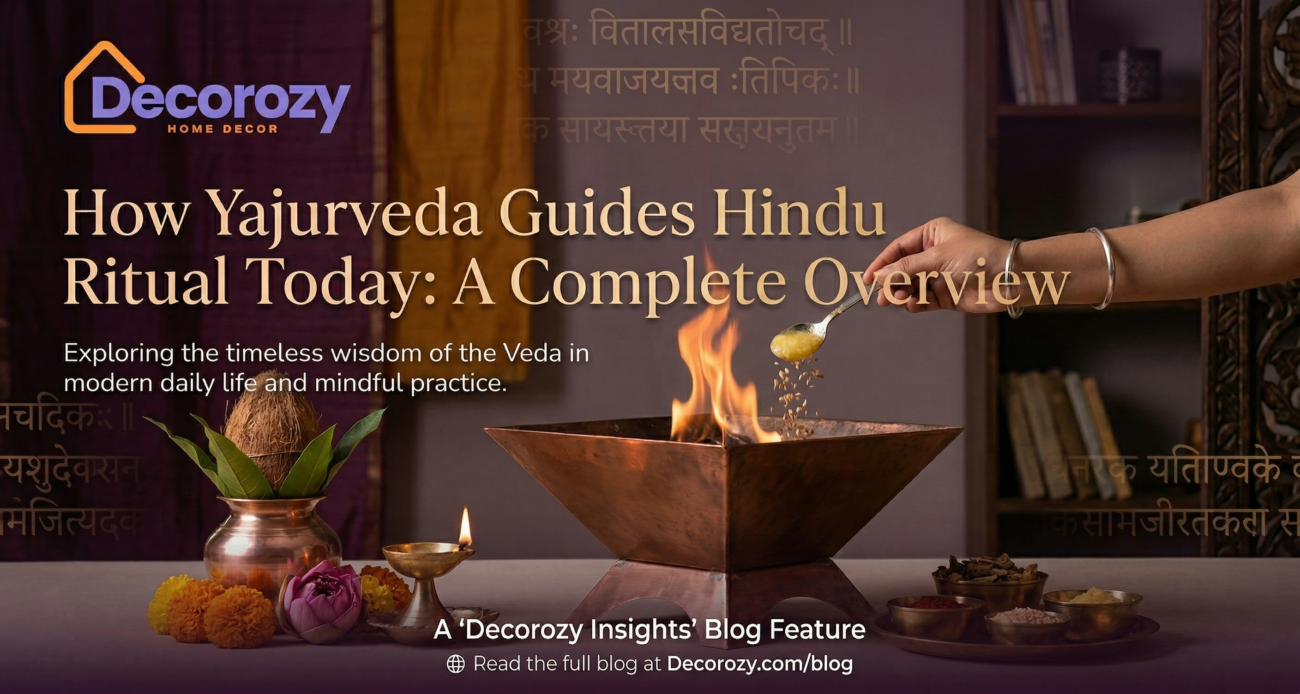
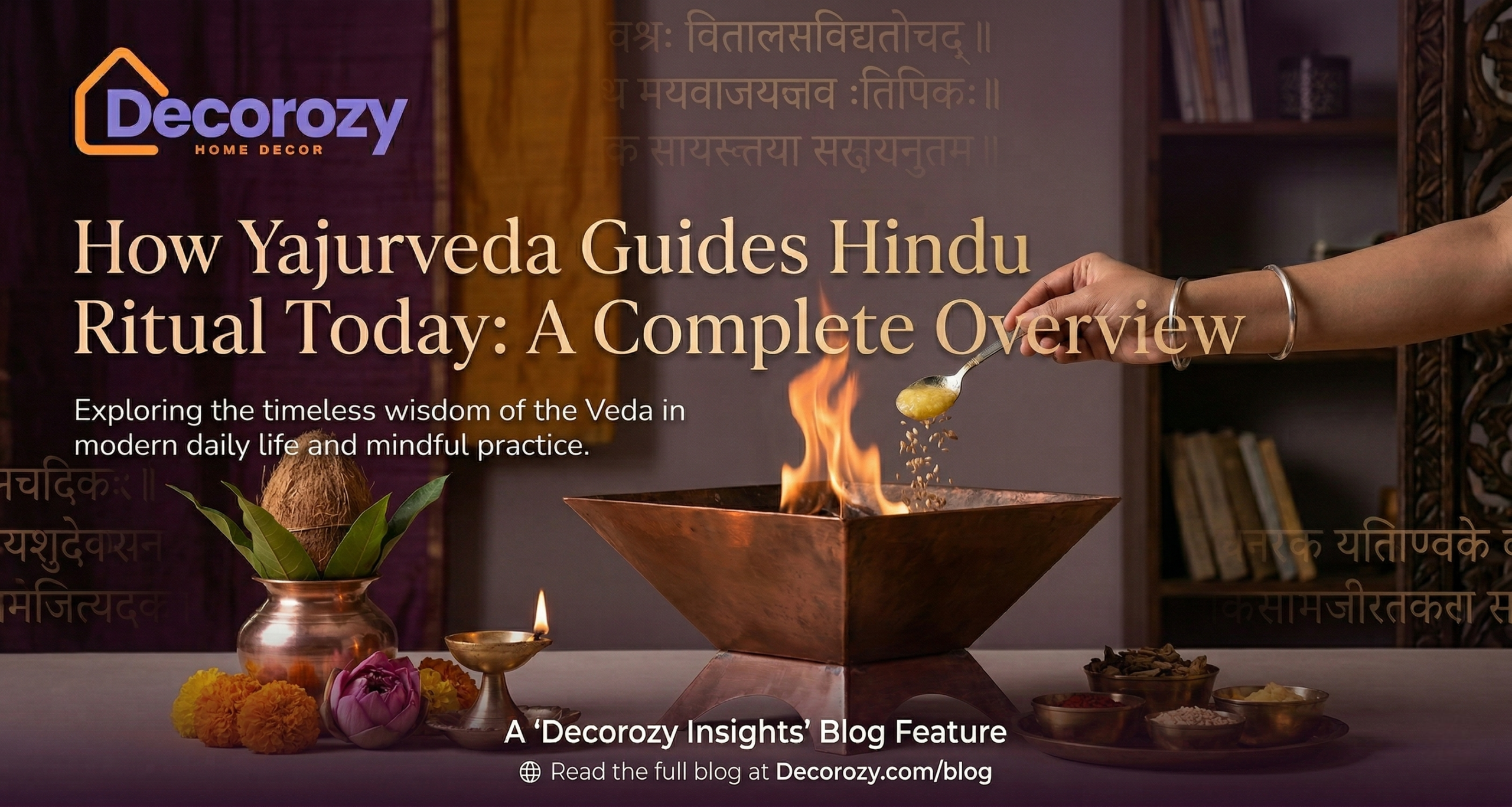
How Yajurveda Guides Hindu Ritual Today: A Complete Overview
The ancient Vedas form the bedrock of Hindu philosophy, but one text stands out for its practical application. If you have ever witnessed the intricate steps of a traditional ceremony, you are seeing ancient instructions in action. Understanding how Yajurveda guides Hindu ritual today connects us directly to a continuous tradition spanning millennia.
Quick Answer: The Yajurveda serves as the definitive guidebook for Hindu priests, detailing the exact prose mantras, formulas, and procedural steps required for performing traditional yajnas (fire sacrifices) and modern rites of passage. It ensures rituals are conducted with precise methodology and phonetic accuracy to achieve spiritual efficacy.
The Core Concept: What is the Yajurveda?
The Yajurveda is often described as the Veda of rituals. Unlike the Rigveda, which focuses primarily on hymns of praise, this text is profoundly instructional.
It is divided into two primary branches: the Shukla (White) and Krishna (Black) Yajurveda. These divisions offer slightly different arrangements of mantras and explanatory prose.
Fundamentally, it provides the step-by-step “how-to” for religious ceremonies. It outlines the precise geometry for building fire altars and the specific offerings required for various deities.
The Importance of Precision in Modern Rites
Why is this ancient text still relevant? The efficacy of a Hindu ritual is deeply tied to its exact execution.
Priests rely on the Yajurveda to ensure that every syllable of a mantra is chanted with the correct intonation. This phonetic precision is believed to vibrate at specific frequencies, harmonizing the physical and spiritual realms.
When examining how Yajurveda guides Hindu ritual today, we see its impact in the standardization of ceremonies. It prevents the dilution of practices, ensuring that a wedding performed today mirrors the spiritual intent of those performed centuries ago.
Detailed Analysis: Yajurveda in Contemporary Practice
Today, the most visible application of the Yajurveda is in the Samskaras, the 16 primary rites of passage.
From the Vidyarambha (initiation of education) to the Vivaha (marriage ceremony) and Antyeshti (funeral rites), the guiding mantras are heavily drawn from Yajurvedic texts.
Furthermore, the daily Sandhyavandanam practiced by many observant Hindus incorporates elements rooted in these teachings. Even large-public temple consecrations (Kumbhabhishekam) rely entirely on the architectural and ritualistic guidelines preserved within the Yajurveda’s extensive verses.
By maintaining these practices, the spiritual heritage is kept vibrant and alive for future generations. Explore more insights into ancient traditions and modern living on Decorozy.com.
FAQ Schema
- Question 1: What is the main purpose of the Yajurveda?
- Answer: The primary purpose of the Yajurveda is to serve as a practical guidebook for priests, providing the specific mantras, prose formulas, and exact procedures required to correctly perform Vedic fire sacrifices and other religious ceremonies.
- Question 2: How does the Yajurveda differ from the Rigveda?
- Answer: While the Rigveda is a collection of poetic hymns praising various deities, the Yajurveda is fundamentally an instructional manual. It takes many of the hymns from the Rigveda and applies them to specific, step-by-step ritual actions.
- Question 3: Are Yajurveda rituals still performed today?
- Answer: Yes, many core elements of the Yajurveda are still actively practiced today. Its guidelines are central to major Hindu rites of passage (Samskaras) like weddings and funerals, as well as complex temple ceremonies and daily personal prayers.
Categories
- Astrology & Spirituality
- Buddhism
- Budget Home Decor
- Divine Mysteries
- Divine Symbols Meaning
- DIY Home Decor
- Fact
- Festival
- Festival Celebrations
- Festival Decoration Ideas
- Ganesha Idols
- Gifting Ideas
- Handicrafts of India
- Hidden Truths & Mysteries
- Hinduism Guide
- Home Decor Ideas
- Home Vastu
- Important personality
- Indian Culture & Traditions
- Interior Design
- Mantras
- Meditation
- Mythological Tales
- Religious Practices
- Spiritual Books
- Spiritual Home Decor
- Spiritual Journey
- Spiritual Life Lessons
- Uncategorized