Ancient texts often blur the line between myth and recorded time, leaving many researchers eager to uncover the origins of human philosophy. For decades, theologians and historians have debated the origins of India’s earliest spiritual texts. If you find yourself asking, “how old is the Rigveda ? history & facts point to a surprisingly ancient timeline that predates almost all other known religious literature.
Quick Answer: Scholarly consensus indicates that the Rigveda is approximately 3,000 to 3,500 years old. It was composed in the northwestern region of the Indian subcontinent between 1500 BCE and 1000 BCE. This makes it the oldest surviving text in any Indo-European language.
Understanding the Core Concept: What is the Rigveda?
The Rigveda is the foremost and oldest of the four canonical sacred texts of Hinduism, collectively known as the Vedas. Composed entirely in Vedic Sanskrit, it is a monumental collection of ancient poetry.
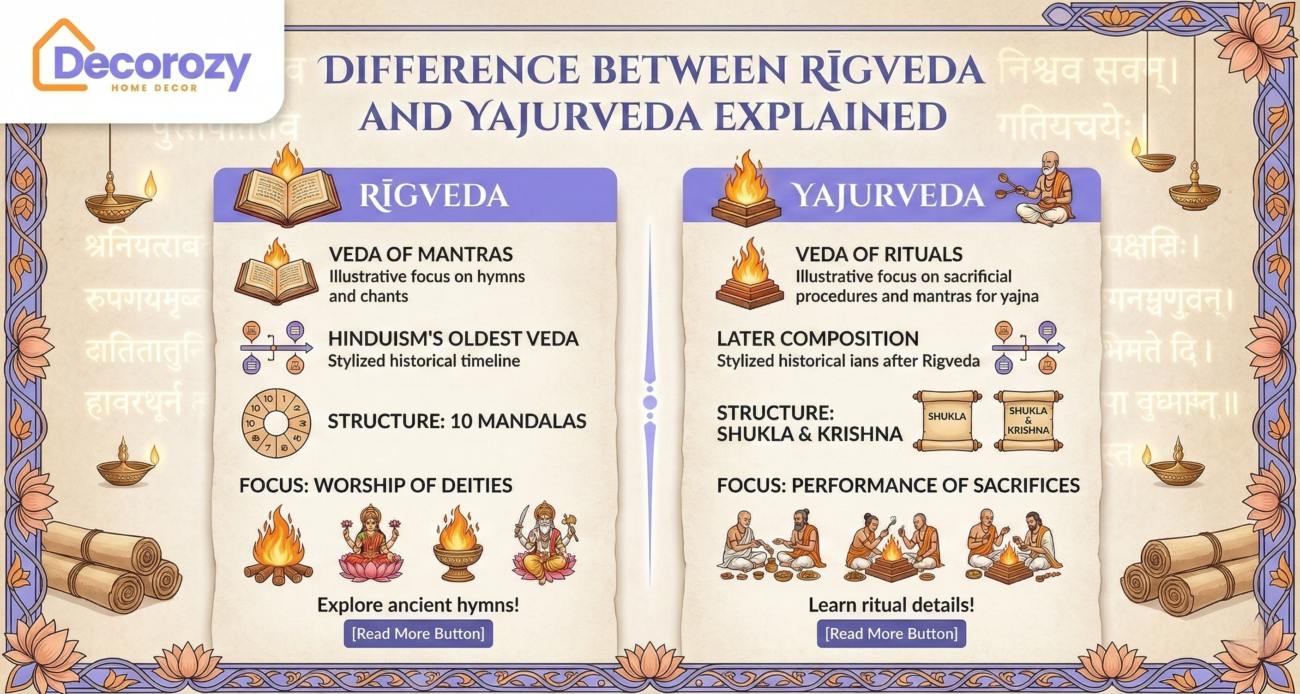
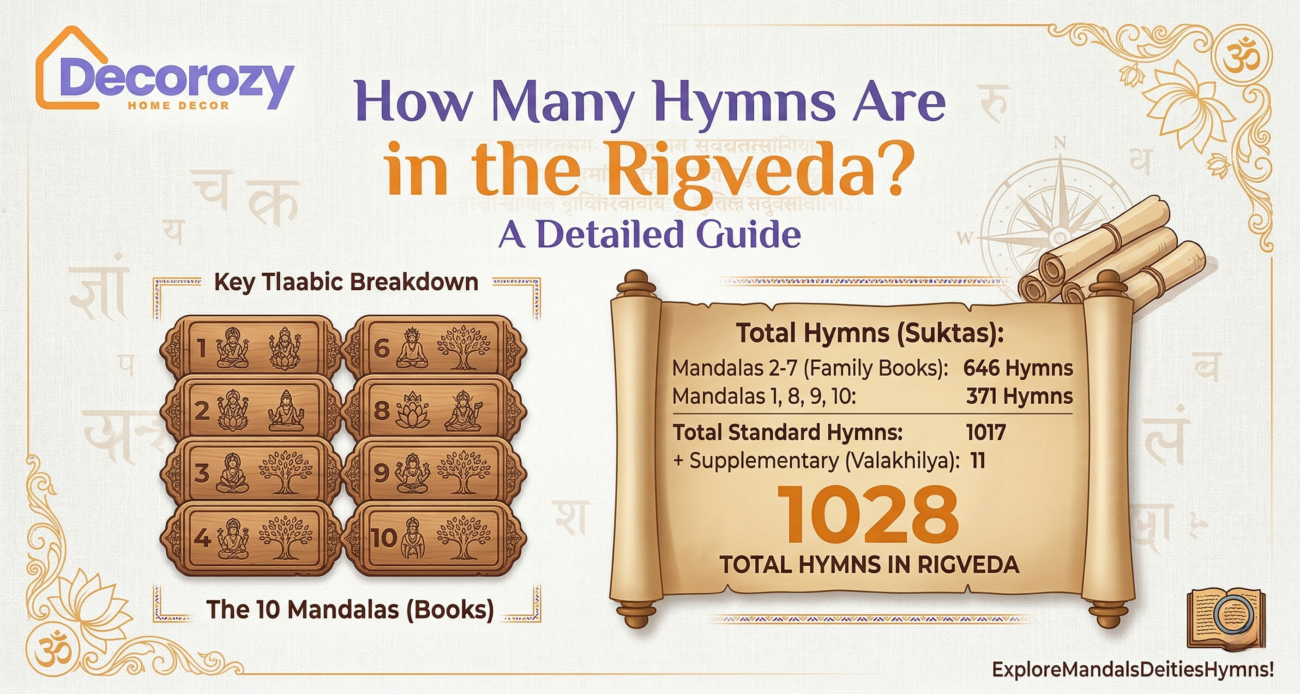
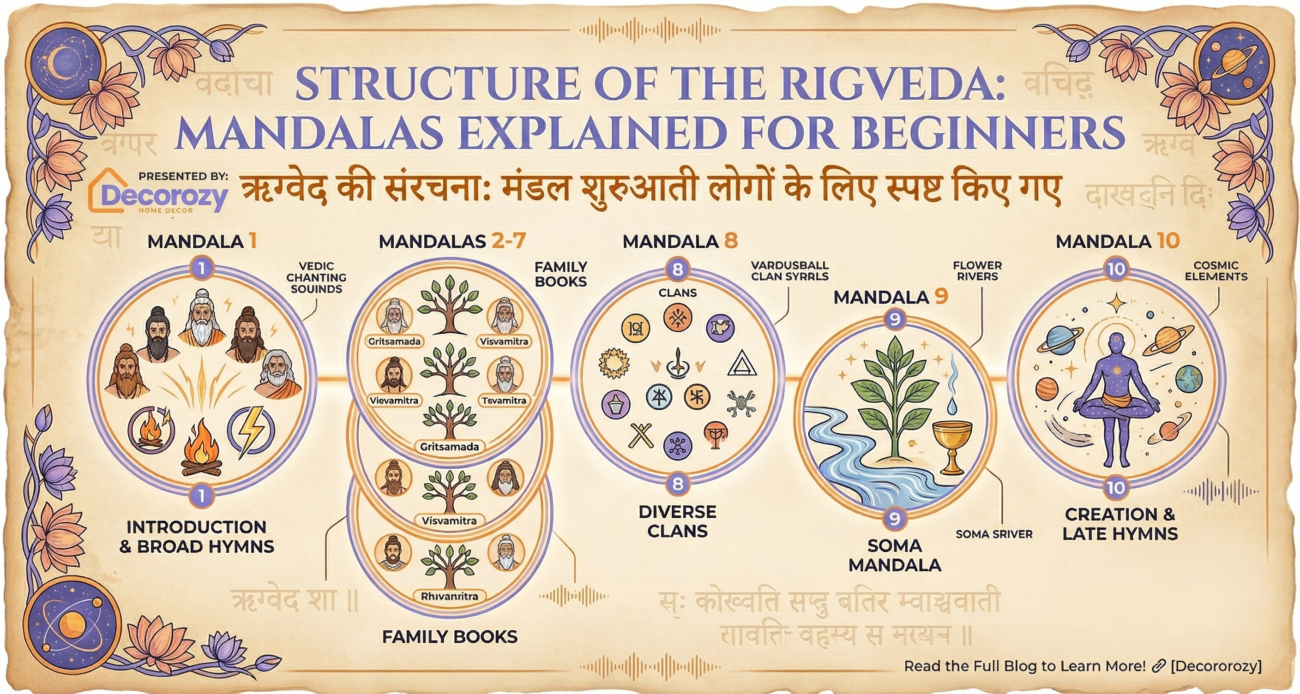
Structurally, the text is vast and highly organized. It contains exactly 1,028 hymns (known as suktas) and over 10,500 individual verses. These verses are systematically divided into 10 distinct books called Mandalas.
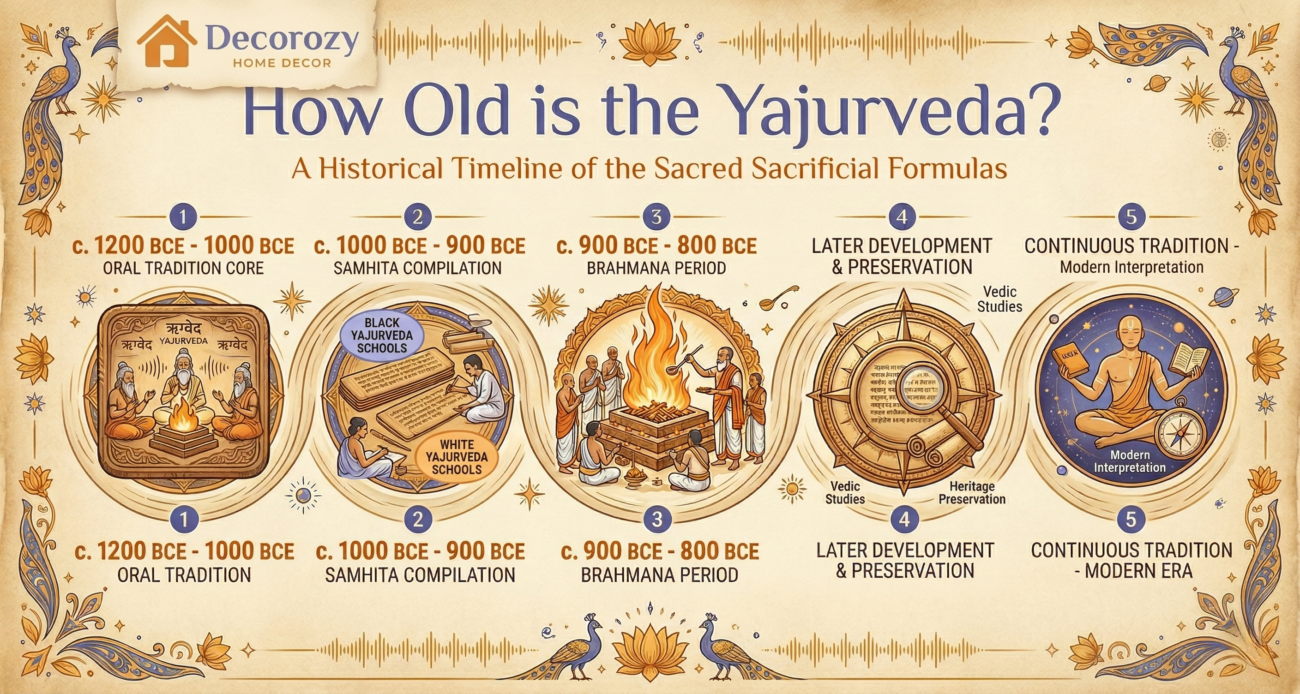
Unlike modern books, this sacred text was not immediately written down. Instead, it was classified as Shruti (that which is heard) and was rigorously memorized. Brahmin families preserved the exact pronunciation and pitch of every syllable through an incredibly complex oral tradition.
The Historical Importance of India’s Oldest Text
The historical footprint of the Rigveda provides a pristine window into the lives of the early Indo-Aryan people. It details a semi-nomadic, pastoral society transitioning into agricultural stability in the Punjab region.
Through its hymns, modern historians have successfully mapped ancient geographic features. The text vividly describes the changing seasons, the formidable Himalayan mountains, and the great rivers of the Indus Valley.
Furthermore, the Rigveda fundamentally shaped the spiritual trajectory of the Indian subcontinent. It introduced essential philosophical concepts like cosmic order (Rta) and laid the groundwork for the elaborate rituals that later defined the Hindu faith.
Astounding Facts About the Rig Veda
When diving into the fascinating facts of this ancient text, the sheer depth of its content is staggering. The hymns primarily invoke powerful deities representing natural forces, with Lord Indra (the god of rain and thunder) and Agni (the god of fire) being the most prominent.
Beyond basic worship, the Rigveda contains stunning philosophical inquiries. The Nasadiya Sukta, or Creation Hymn, is famous for questioning the very origins of the universe. It openly wonders if even the gods know how creation began, showcasing an advanced level of skeptical inquiry.
Today, the global significance of this ancient text is undeniable. Recognizing its unparalleled value to human history, UNESCO has officially included the Rigveda manuscripts in its prestigious Memory of the World Register.
The legacy of the Rigveda continues to thrive in the modern era. Many of its original verses, including the highly revered Gayatri Mantra, are still actively recited in daily prayers and Hindu ceremonies worldwide.
To explore more about ancient history, architectural origins, and timeless cultural insights, continue your journey right here on Decorozy.com!
FAQ Schema
- Question 1: Who wrote the Rigveda?
- Answer: The Rigveda was not written by a single author. It was composed by generations of ancient poet-sages (rishis) from different families, who orally transmitted the hymns for centuries before they were finally documented in written form.
- Question 2: What language was the Rigveda originally composed in?
- Answer: The Rigveda was composed in Vedic Sanskrit. This is an archaic, highly complex form of Sanskrit that serves as an ancestor to the classical Sanskrit language used in later Indian literature.
- Question 3: What is the main theme of the Rigveda?
- Answer: The primary themes of the Rigveda include praising powerful deities like Indra and Agni, outlining the rules for sacred fire sacrifices (yajnas), and exploring early philosophical questions regarding the creation and nature of the cosmos.