Understanding ancient Hindu philosophy requires exploring the primary Vedic texts that shaped early civilization. If you are researching early Indian history, you must understand the difference between yajurveda and rigveda. These foundational scriptures established the spiritual and cultural frameworks that continue to influence millions today.
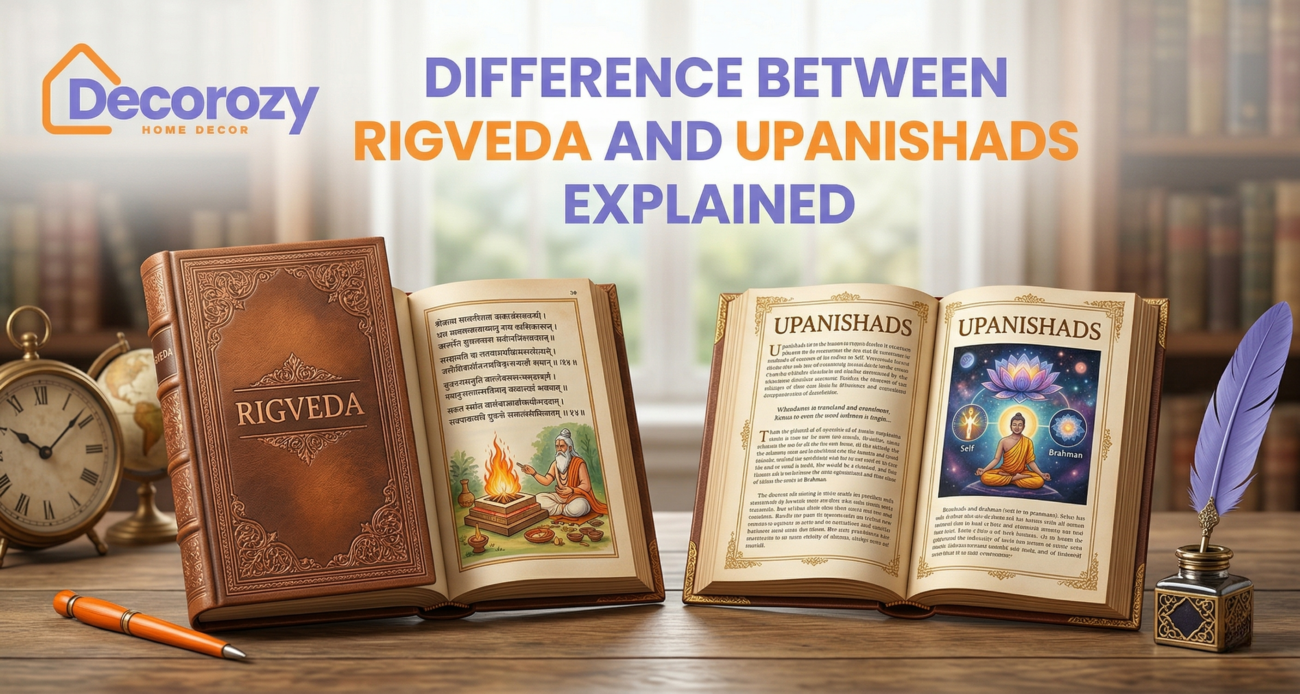
Quick Answer: The primary difference between Yajurveda and Rigveda lies in their core purpose and formatting. The Rigveda is an ancient collection of poetic hymns dedicated to praising deities. Conversely, the Yajurveda functions as a practical guidebook containing prose mantras and detailed instructions for performing complex religious rituals.
Historical Context: Understanding the Difference Between Yajurveda and Rigveda
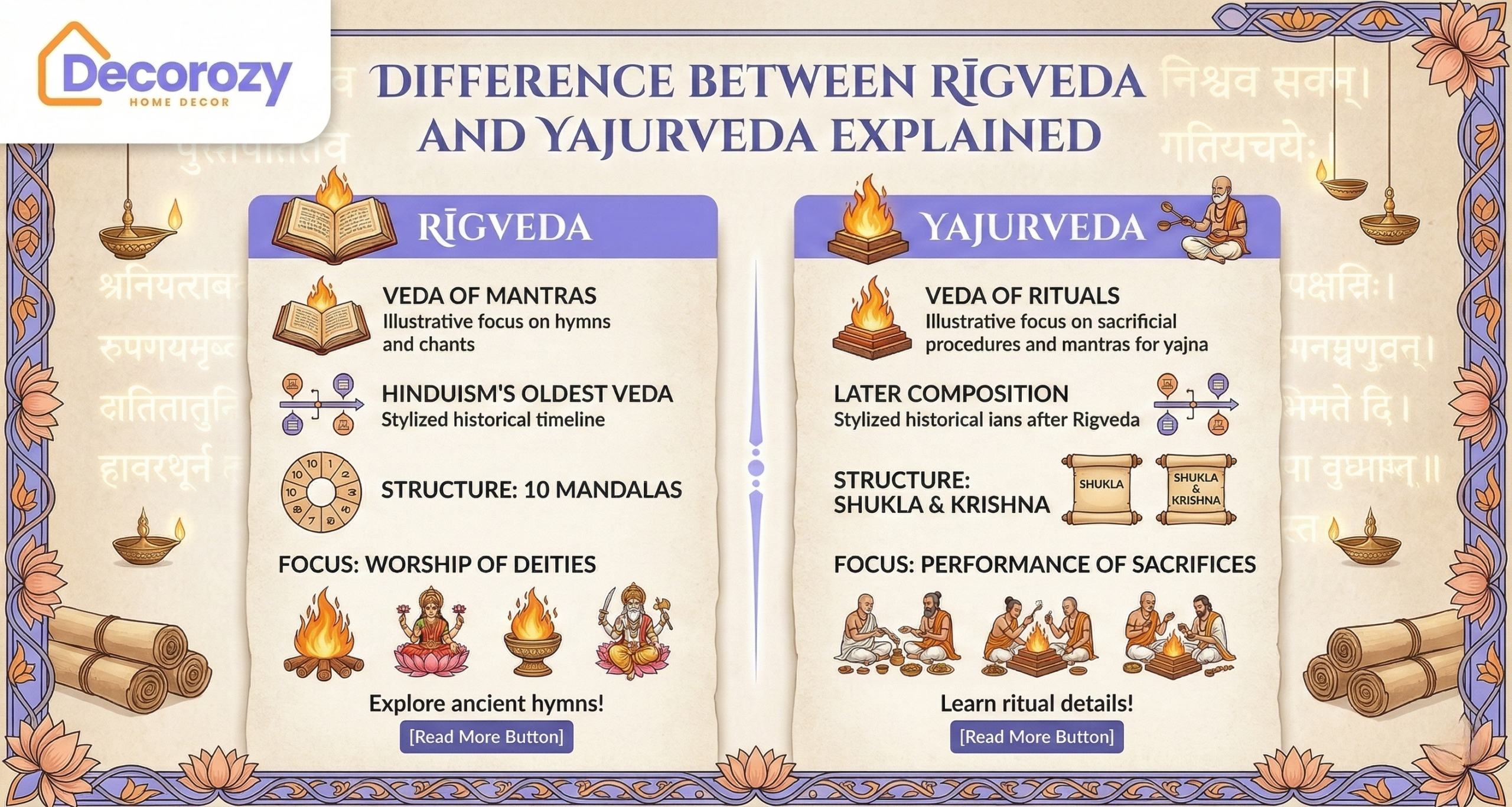
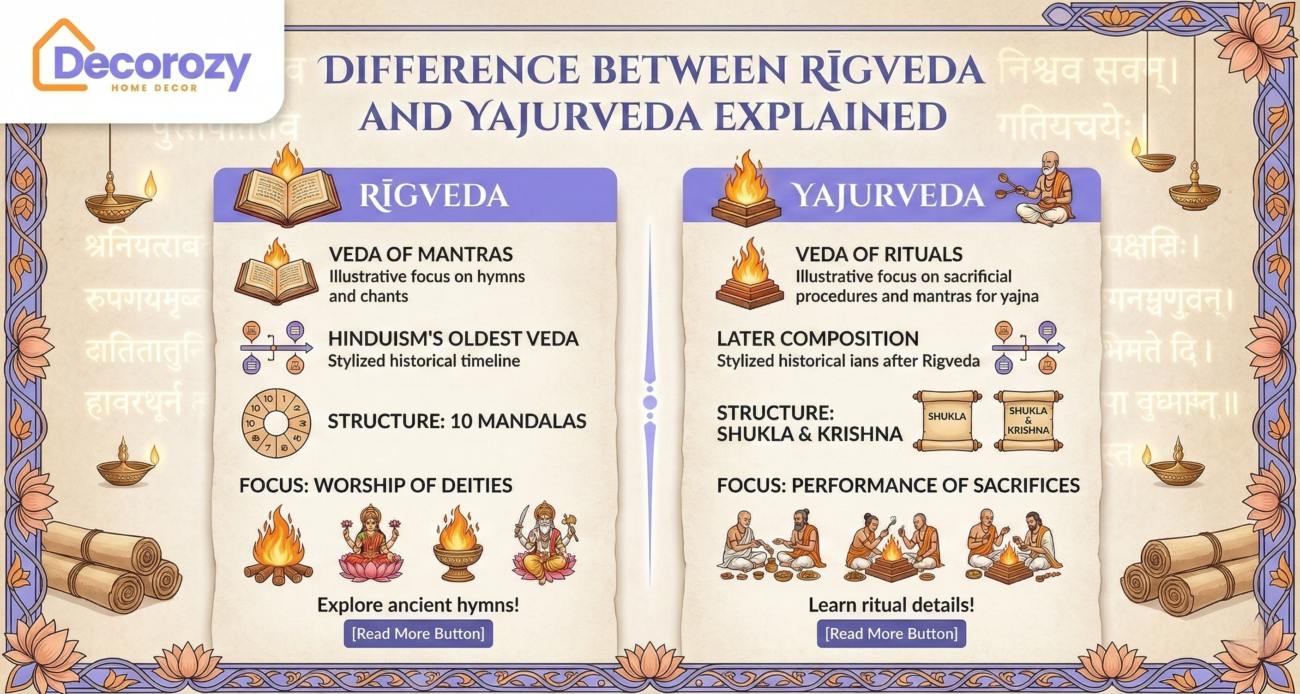
The Vedas are the oldest layer of Sanskrit literature and represent Hinduism’s most sacred scriptures. Scholars universally agree that the Rigveda is the oldest of the four traditional Vedas. It was composed roughly between 1500 and 1200 BCE in the northwestern region of the Indian subcontinent.
The Yajurveda emerged later, during the early Kuru Kingdom period around 1200 to 1000 BCE. This chronological gap is a crucial element when studying the difference between yajurveda and rigveda. It reflects a fundamental societal shift from a nomadic pastoral life to a settled, agriculturally driven society.
As this ancient society evolved, its religious needs and spiritual expressions became inherently more complicated. The simple, beautiful hymns of praise found in the older text were no longer sufficient. The growing complexity of societal structures demanded equally complex, standardized ceremonial guidelines to maintain order.
The Structural Difference Between Yajurveda and Rigveda
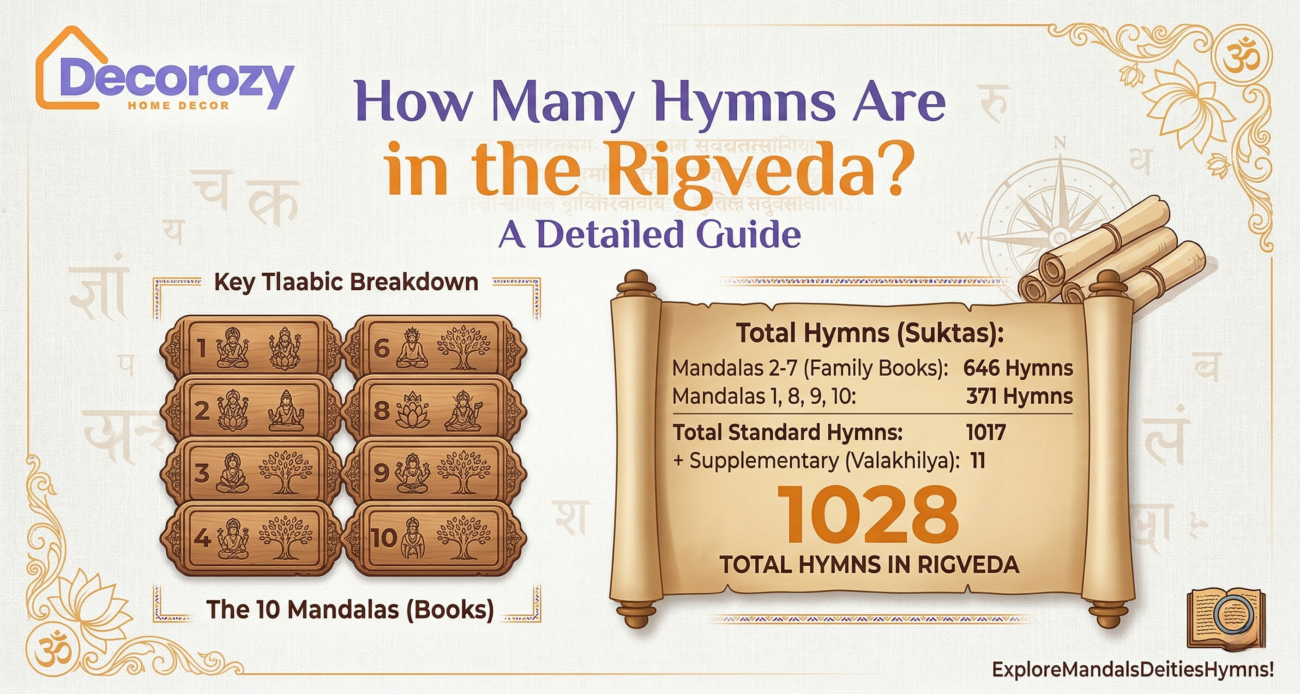
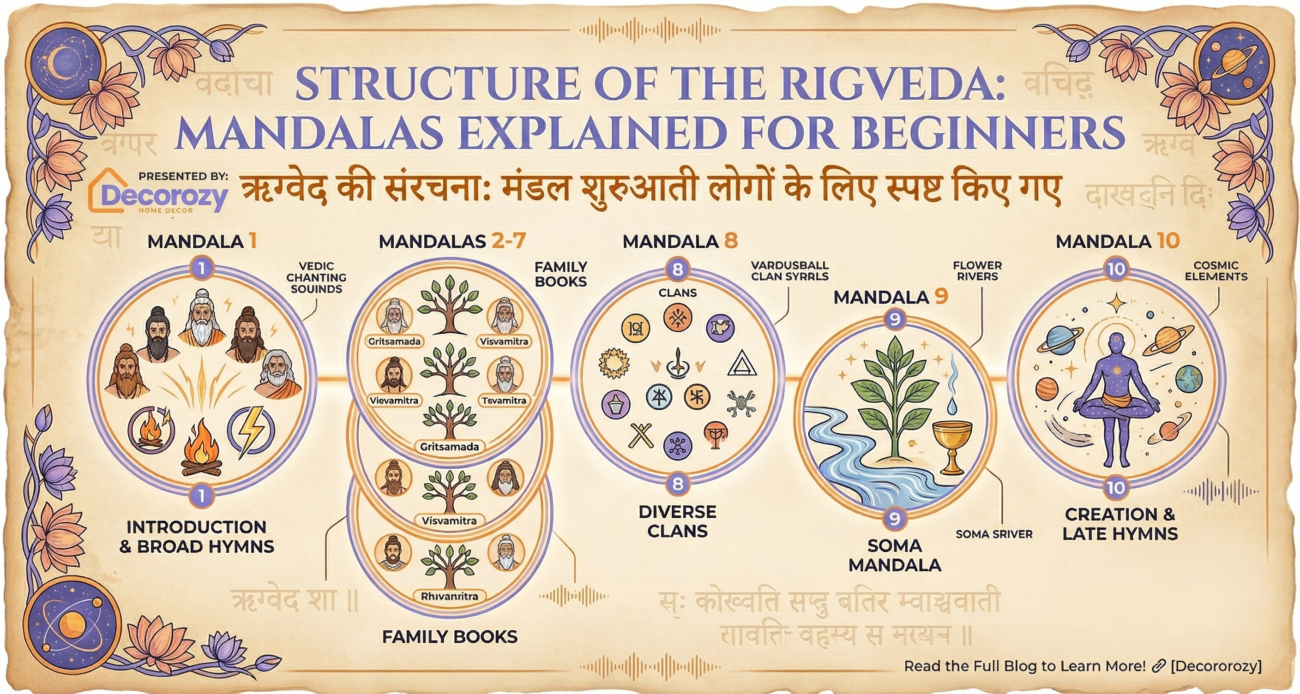
When analyzing these texts structurally, their literary formats present a highly clear and distinct contrast. The Rigveda is almost entirely poetic, consisting of 1,028 hymns (suktas) divided into ten books (mandalas). These verses follow strict metrical patterns designed specifically for oral recitation and accurate generational memorization.
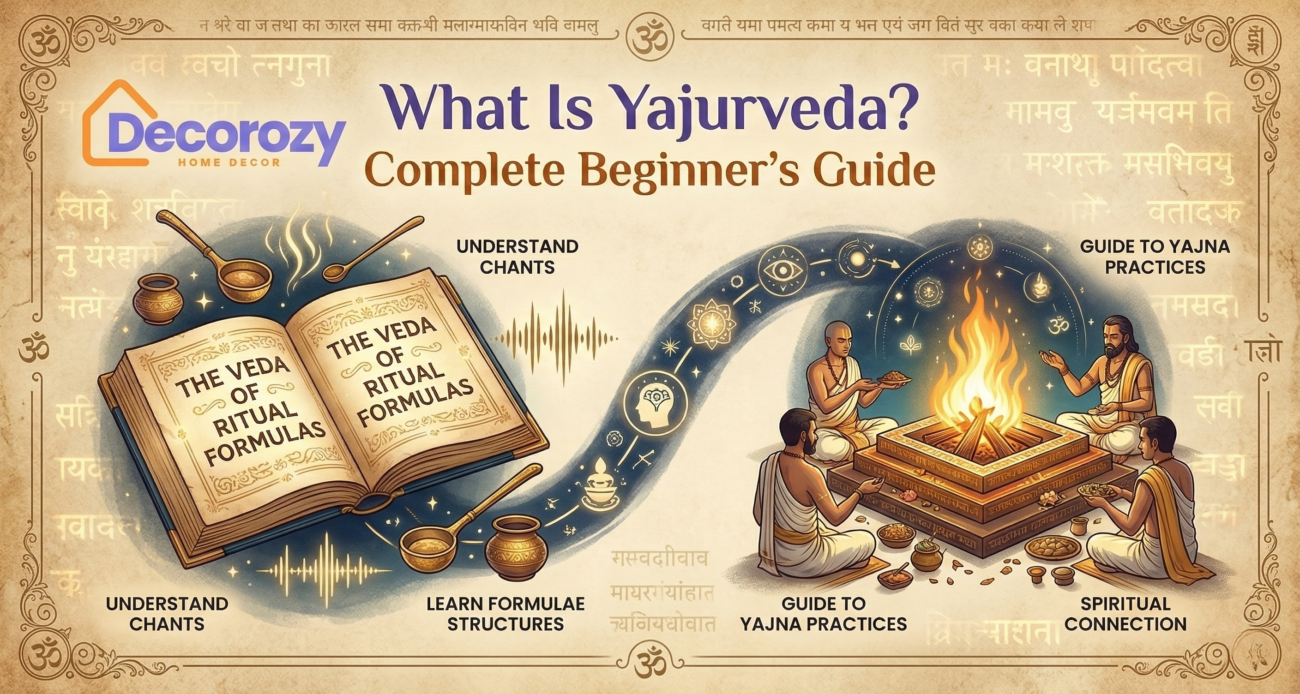
In stark contrast, the Yajurveda is primarily a calculated combination of prose and verse. It is uniquely divided into two distinct collections: the “Black” (Krishna) and the “White” (Shukla) Yajurveda. The White Yajurveda clearly separates the explanatory prose text from the actual spoken mantras.
The Black Yajurveda mixes the instructional prose directly alongside the ritualistic verses in a continuous flow. This distinct structural variation highlights the primary difference between yajurveda and rigveda. One was meant to be sung in spontaneous devotion, while the other was read as a technical manual.
Rituals vs. Praise: How These Ancient Texts Functioned
The functional application of these scriptures in ancient daily life highlights their distinct practical purposes. The Rigveda was utilized by the ‘Hotri’ priests during grand fire sacrifices known as Yajnas. Their specific role was to invoke the gods through beautiful praise and request their divine presence.
Deities such as Indra, Agni, and Soma are the primary focus of these ancient, powerful hymns. The texts do not offer practical instructions on how to build the altar or perform the physical sacrifice. They focus entirely on the spiritual invocation, mythological storytelling, and the philosophical nature of the universe.
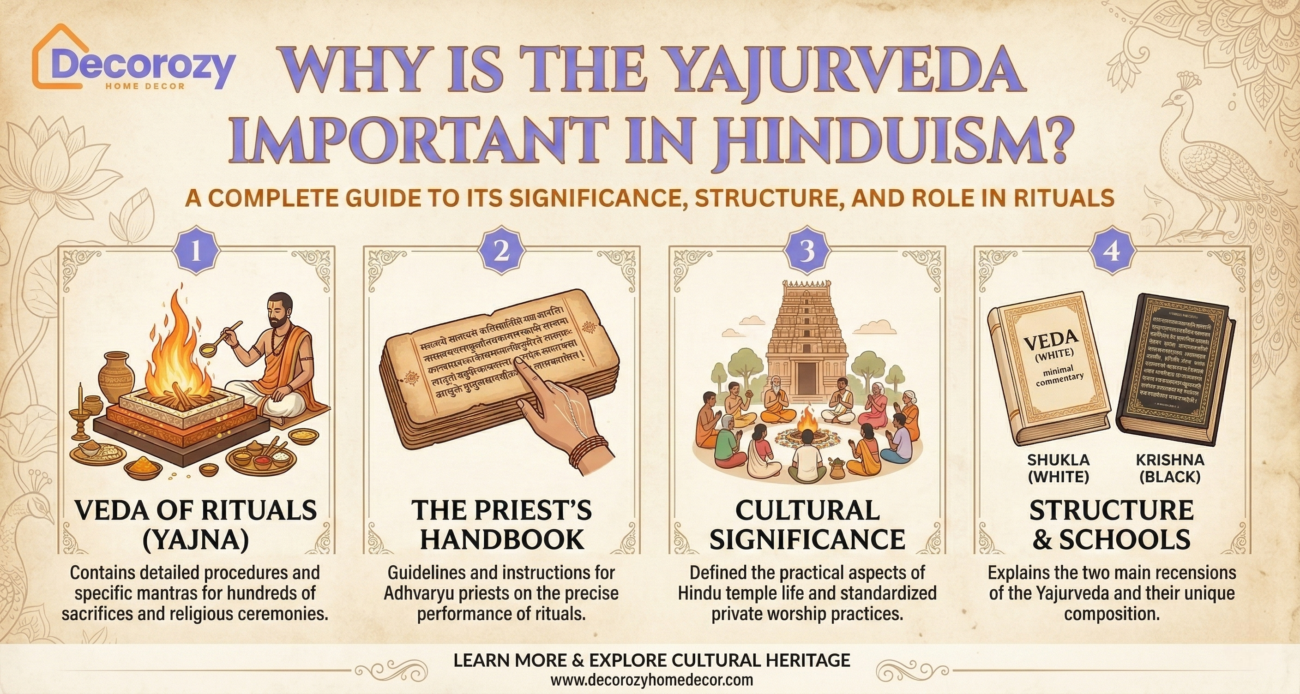
The Yajurveda, however, was the exclusive domain of the ‘Adhvaryu’ priests, who were the physical executors. It provides meticulous, step-by-step instructions for everything from precise altar construction to the exact timing of offerings. It is a highly practical, rule-based text focused purely on the physical mechanics of religious ceremonies.
Impact on Modern Hindu Philosophy and History
Both of these texts have profoundly influenced modern spiritual thought, historical studies, and linguistic research. The Rigveda provides invaluable academic insights into early Indo-Aryan linguistics, mythology, and ancient social structures. It remains a vital primary source for historians tracing the early roots of human civilization.
The Yajurveda laid the definitive groundwork for the highly structured ceremonial practices still utilized today. Many modern Hindu rituals, traditional weddings, and modern fire ceremonies trace their procedural roots directly here. It effectively transformed abstract, poetic devotion into organized, replicable, and highly structured religious action.
Together, these ancient scriptures offer a remarkably comprehensive view of early Indian theology and societal evolution. While one captures the spontaneous poetry of early devotion, the other captures the organized mechanics of a maturing religion.
Grasping the nuances of these texts is essential for anyone passionate about history, theology, or cultural philosophy. The evolution from poetic praise to structured ritual highlights the fascinating, continuous development of early human civilization. For more data-driven deep dives into history, philosophy, and cultural aesthetics, keep exploring our expert guides right here on Decorozy.com.
FAQ Schema
- Question 1: Which is older, the Rigveda or the Yajurveda?
- Answer: The Rigveda is significantly older than the Yajurveda. The Rigveda was composed between 1500 and 1200 BCE, making it the oldest known Vedic text, while the Yajurveda was composed later, between 1200 and 1000 BCE.
- Question 2: What is the main theme of the Rigveda?
- Answer: The main theme of the Rigveda is the praise and invocation of ancient deities. It consists of poetic hymns and philosophical verses dedicated to gods like Agni, Indra, and Soma, intended to be recited during early rituals.
- Question 3: How is the Yajurveda structurally divided?
- Answer: The Yajurveda is divided into two primary sections: the Krishna (Black) Yajurveda and the Shukla (White) Yajurveda. The Black Yajurveda mixes prose explanations with the verses, while the White Yajurveda separates the explanatory text from the mantras.