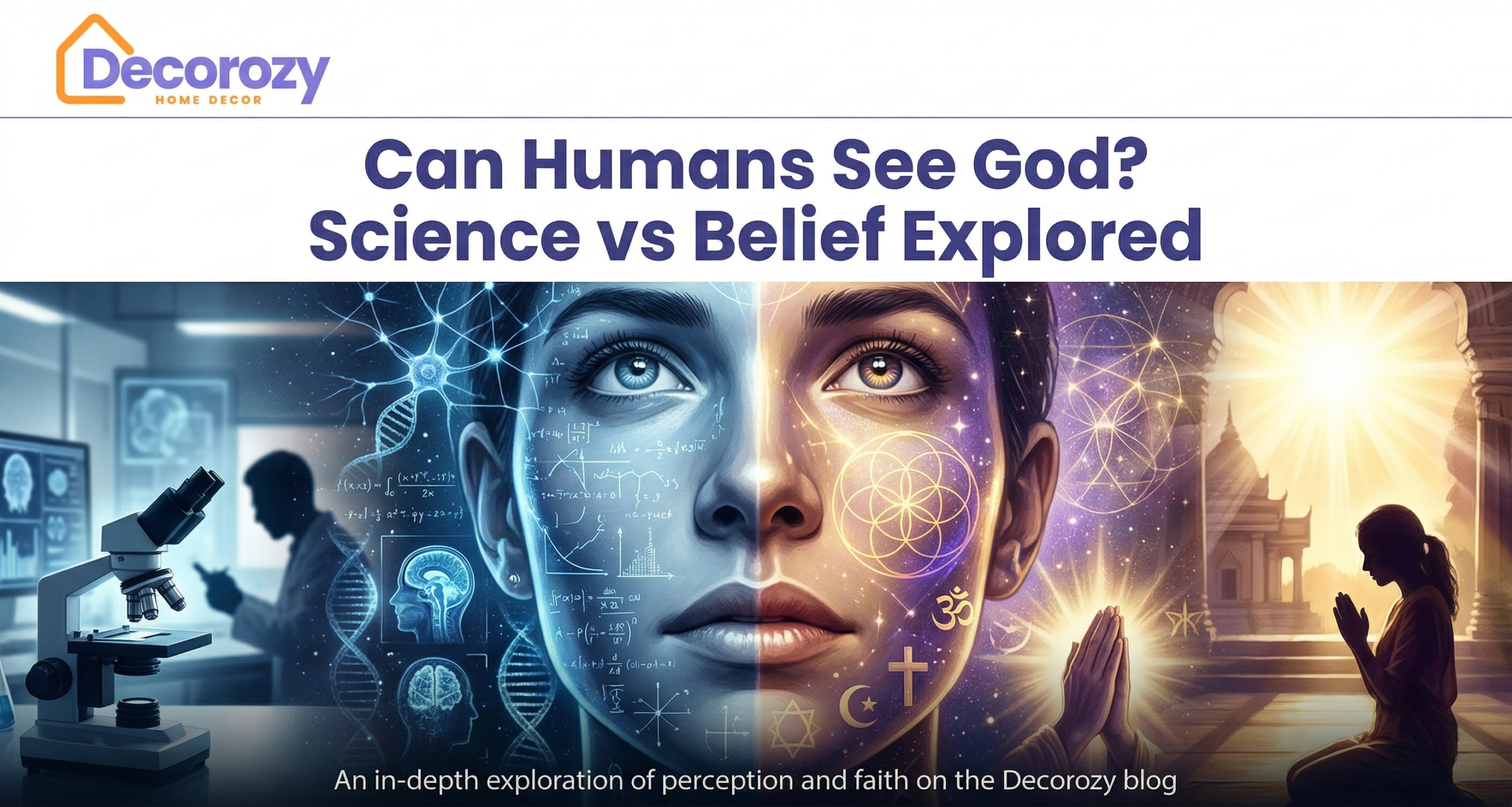
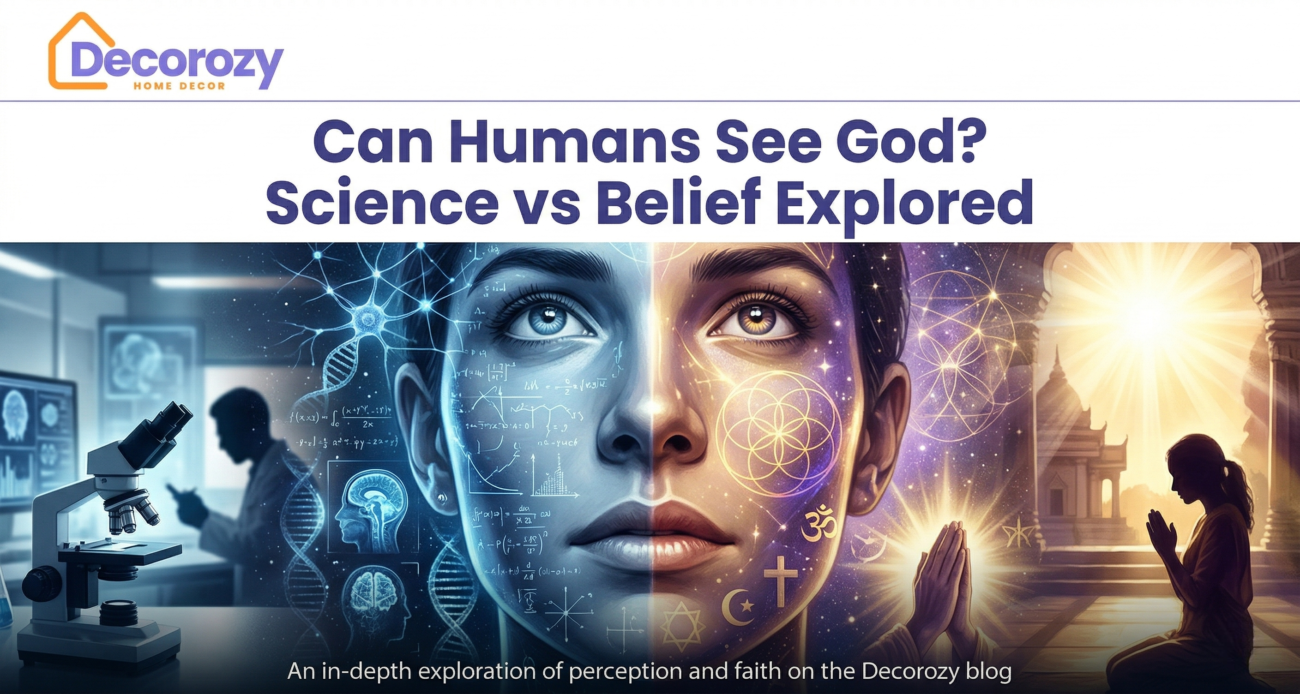
Throughout history, countless individuals have claimed to experience profound, direct encounters with the divine. This raises a highly debated question: can humans see god? Science vs belief is the ultimate lens through which we must examine these extraordinary claims.
As we explore the intersection of human neurology and deep-rooted spirituality, the answers become increasingly complex. Modern cognitive science offers one explanation, while ancient theological traditions offer another.
Quick Answer: Can humans see God? From a scientific standpoint, divine visions are often attributed to neurological phenomena, altered states of consciousness, or complex brain chemistry. Conversely, religious belief systems interpret these profound encounters as genuine spiritual revelations and direct manifestations of the divine presence.
The Core Concept: Can Humans See God? Science vs Belief
To understand this debate, we must first define how different disciplines approach the human mind. The scientific community relies on empirical evidence and observable data.
When questioning can humans see god? Science vs belief creates a fascinating divide. Neurotheology, a growing field of study, examines the neural correlates of religious experiences.
Researchers use brain imaging to study individuals engaged in deep prayer or meditation. They observe significant changes in the temporal and parietal lobes during these states.
To a scientist, these brain patterns explain the sensory experience of a divine presence. To a believer, however, the brain is simply the biological receiver tuning into a higher spiritual reality.
The Importance of Exploring Can Humans See God? Science vs Belief
Understanding this intersection is crucial for bridging the gap between secular and spiritual worldviews. It fosters a deeper respect for human psychology and cultural diversity.
By analyzing can humans see god? Science vs belief helps us decode the origins of human morality and organized religion. It shows us how deeply wired we are for meaning-making.
Furthermore, these studies have practical applications in mental health and therapy. Understanding how spiritual states lower stress and anxiety can improve modern psychiatric treatments.
Ultimately, investigating these visions helps us understand the true limits of human perception. It challenges us to question whether our reality is solely defined by our physical senses.
Detailed Analysis: The Neurology of Spiritual Experiences
Let us dive deeper into the mechanics of these reported visions. Neurologists often point to conditions like temporal lobe epilepsy, which can trigger intense spiritual hallucinations.
Historical figures who reported seeing the divine may have experienced undiagnosed neurological events. The brain’s chemistry, particularly the release of dopamine and serotonin, plays a massive role.
However, faith traditions argue that reducing God to a brain chemical misses the larger picture. Belief relies on the soul, asserting that divine entities exist beyond physical scientific measurement.
The debate remains unresolved, yet beautifully complex. Whether a neurological firing or a genuine miracle, the impact of these visions on human history is undeniably profound.
For more insightful explorations into the mysteries of the human experience, lifestyle, and culture, keep reading at Decorozy.com!
FAQ Schema
- Question 1: Does science prove spiritual experiences are just brain activity?
- Answer: Science proves that spiritual experiences correspond with specific brain activity, particularly in the temporal lobes. However, science cannot definitively prove whether the brain is generating the experience or simply receiving an external spiritual signal.
- Question 2: Can meditation naturally trigger visions of the divine?
- Answer: Yes, deep meditation can alter brain waves and decrease activity in the parietal lobe, which processes spatial awareness. This neurological shift can create a profound sense of unity with the universe or a perceived encounter with the divine.
- Question 3: Why do different religions report similar divine encounters?
- Answer: From a scientific perspective, different cultures report similar encounters because all humans share the same neuroanatomy. When the brain enters an altered state, it produces similar sensory illusions, which individuals then interpret through their specific cultural and religious frameworks.