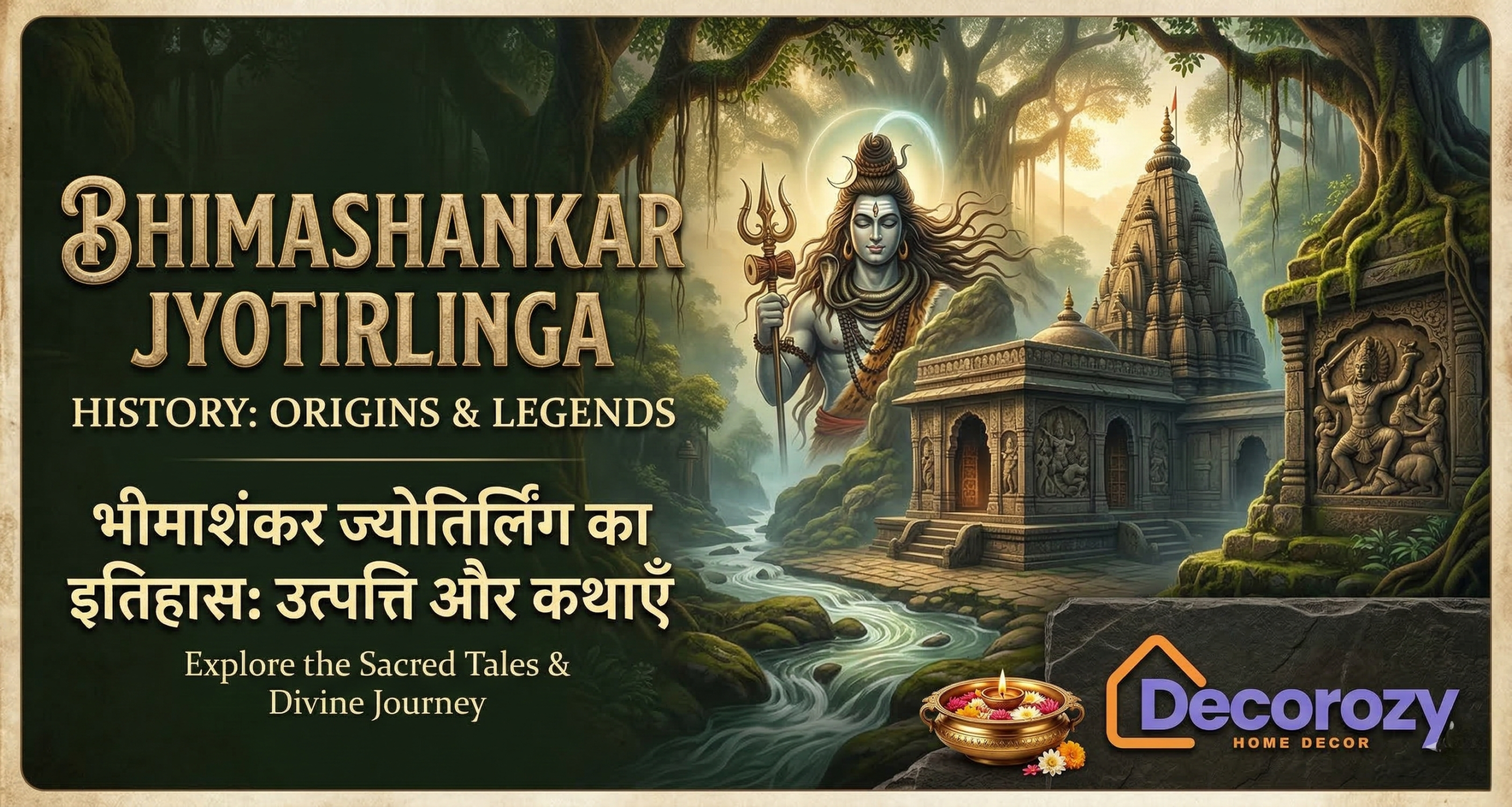
Exploring the rich bhimashankar jyotirlinga history offers a fascinating glimpse into ancient Indian spirituality. This sacred site, nestled in the lush Sahyadri hills, draws millions of devotees seeking divine blessings.
Understanding its profound legacy connects us deeply to Hindu mythology and India’s architectural heritage. Let us dive into the origins, legends, and historical evolution of this revered temple.
Quick Answer: The bhimashankar jyotirlinga history centers on Lord Shiva manifesting to destroy the demon Bhima, son of Kumbhakarna. Located in Maharashtra’s Sahyadri mountains, this ancient temple showcases exquisite Nagara architecture. It serves as a vital pilgrimage site and marks the sacred origin of the Bhima River.
The Core Concept of Bhimashankar Jyotirlinga History
To truly grasp the bhimashankar jyotirlinga history, we must look to the ancient Shiva Purana. The texts describe twelve supreme shrines where Lord Shiva appeared as a fiery column of light.
Bhimashankar is proudly counted among these elite twelve Jyotirlingas. The primary legend revolves around an evil Asura (demon) named Bhima, who lived with his mother Karkati in the dense Dakini forests.
Upon discovering his father was Kumbhakarna, who was slain by Lord Rama, the demon Bhima vowed harsh revenge. He performed severe penance to appease Lord Brahma, securing immense strength and near-invincibility.
Driven by arrogance, the demon began terrorizing sages and conquering the three worlds. When he captured a devoted Shiva worshipper, King Kamrupeshwar, the cosmos cried out for divine intervention.
Lord Shiva answered the prayers of the gods and sages. He appeared in his majestic form and engaged in a fierce battle, ultimately reducing the demon to ashes and establishing his presence there forever.
The Importance of Bhimashankar Jyotirlinga History in Mythology
The bhimashankar jyotirlinga history is not just a tale of good conquering evil; it is a testament to divine protection. Devotees believe that praying at this shrine washes away severe sins and brings spiritual liberation.
The sweat from Lord Shiva’s body during the epic battle is said to have formed the sacred Bhirathi River. Today, this is widely recognized as the Bhima River, a major tributary of the Krishna River.
Historically, the site has served as a unifying spiritual center for various Indian dynasties. It promoted unity and deep devotion across the Deccan plateau for centuries.
Furthermore, the surrounding sanctuary protects the Indian Giant Squirrel, merging ecological preservation with spiritual devotion. This makes the region both a biodiversity hotspot and a cultural treasure.
Detailed Analysis: Architecture and Eras of Bhimashankar
While the mythological bhimashankar jyotirlinga history dates back to antiquity, the physical temple underwent significant historical transformations. The current structure is a mesmerizing blend of old and new architectural styles.
The main temple features the classic Nagara style of architecture, prominent in ancient Indian temple design. The intricate carvings on the pillars and doorframes depict divine deities and mythological events.
Historically, the great Maratha ruler Chhatrapati Shivaji Maharaj is known to have made endowments to this temple to facilitate worship. This highlights the shrine’s immense political and cultural significance during the Maratha Empire.
Later, in the 18th century, the prominent Maratha statesman Nana Phadnavis commissioned major renovations. He built the stunning shikhara (spire) and the main sabha mandap, gifting the temple its current magnificent silhouette.
Today, visiting Bhimashankar is a transformative experience that bridges ancient mythology with tangible historical artistry. It is a must-visit destination for anyone passionate about India’s spiritual heritage.
We hope this deep dive into ancient temple origins enriches your spiritual knowledge. For more expertly curated insights into heritage and home aesthetics, continue exploring Decorozy.com today!
FAQ Schema
- Question 1: Who built the Bhimashankar temple?
- Answer: While the original Jyotirlinga shrine is ancient and mythological in origin, the current temple structure was heavily expanded and renovated by the Maratha statesman Nana Phadnavis in the 18th century, featuring classic Nagara architecture.
- Question 2: What is the main story behind Bhimashankar Jyotirlinga?
- Answer: The primary legend states that Lord Shiva appeared here to defeat the tyrannical demon Bhima, the son of Kumbhakarna. After destroying the demon to protect his devotees, Lord Shiva manifested himself as a Jyotirlinga at this exact spot.
- Question 3: Where is the Bhimashankar Jyotirlinga located?
- Answer: The Bhimashankar Jyotirlinga is situated in the Bhorgiri village within the majestic Sahyadri hills of the Pune district in Maharashtra, India. It is surrounded by a dense wildlife sanctuary.