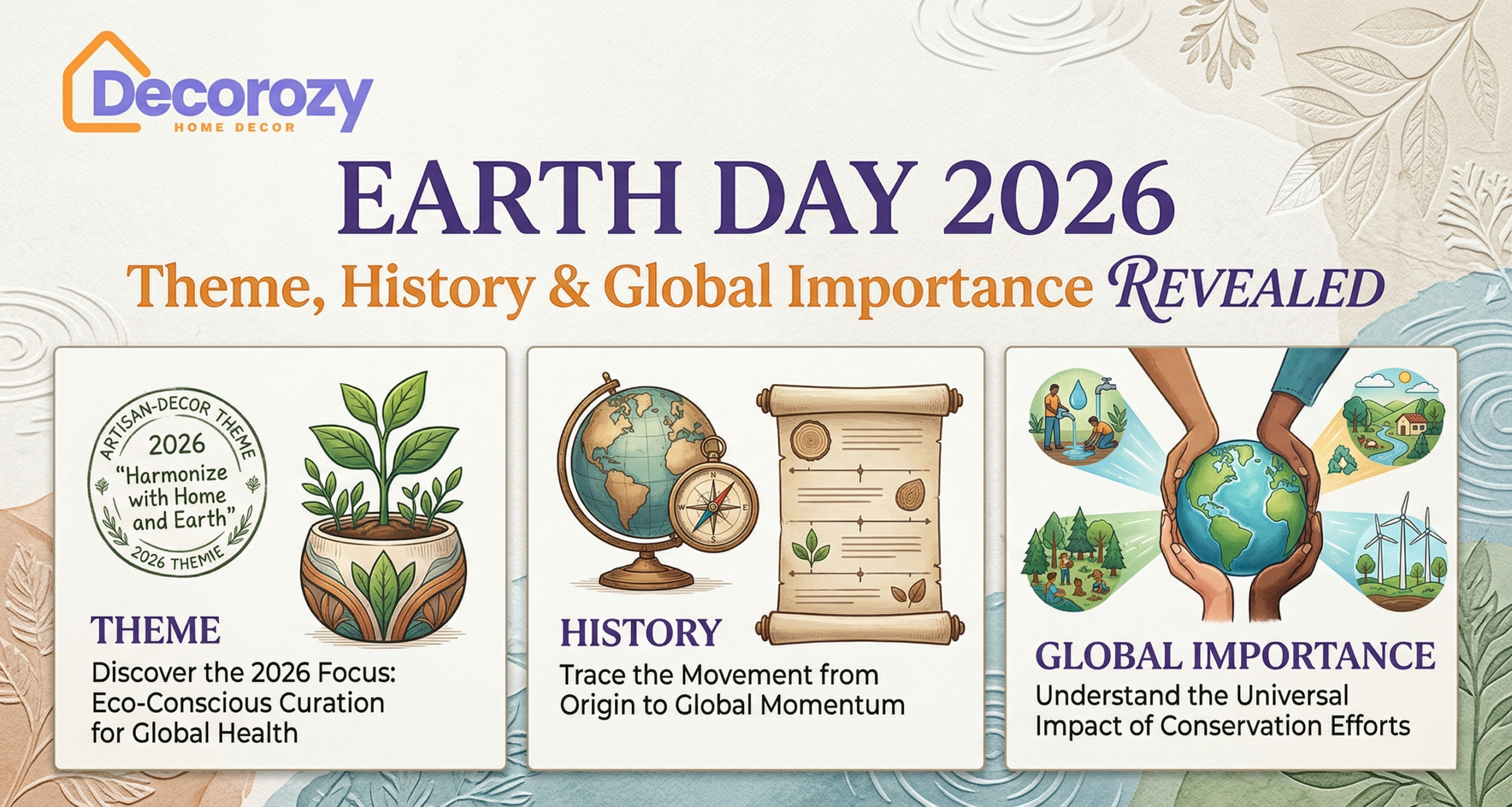
As the realities of global climate change become increasingly visible, environmental awareness is more critical than ever. Preparing for earth day 2026 requires a deep understanding of how local communities can drive global ecological shifts.
This comprehensive guide explores the core principles, historical context, and actionable strategies associated with this vital movement.
Quick Answer: Earth Day 2026 is celebrated globally on Wednesday, April 22. The official Earth Day 2026 theme, “Our Power, Our Planet,” focuses on empowering individuals and local communities. It encourages everyday sustainable actions that drive meaningful, long-term environmental protection and positive climate impact.
Decoding the Earth Day 2026 Theme: “Our Power, Our Planet”
The official theme for this year pushes entirely beyond mere awareness, demanding tangible, everyday responsibility from global citizens. “Our Power, Our Planet” highlights that lasting environmental progress relies on consistent, sustainable choices made by individuals.
It firmly establishes that environmental power does not solely belong to large corporations or bureaucratic government bodies. True power resides in the daily habits of ordinary citizens, dedicated educators, and forward-thinking community innovators.
By shifting the focus to localized, grassroots efforts, the theme challenges everyone to evaluate their personal resource consumption. Whether it involves adopting cleaner energy sources or reducing household waste, these individual actions scale rapidly.
This framework successfully turns abstract global climate goals into highly achievable, localized sustainability milestones. It serves as a stark reminder that every dollar spent and every resource conserved acts as a vote for planetary health.
Furthermore, it challenges the narrative that individual action is too small to make a meaningful difference. The collective impact of millions of people making slightly better ecological choices generates massive market and environmental shifts.
Tracing the Origins: The Remarkable History of Earth Day 2026
To truly grasp the significance of this modern movement, we must look back to its turbulent origins in the mid-twentieth century. Before 1970, environmental protection was largely ignored, with industrial pollution widely accepted as the unavoidable cost of prosperity.
The devastating 1969 Santa Barbara oil spill served as a massive wake-up call, igniting widespread public outrage over ecological destruction. United States Senator Gaylord Nelson witnessed this devastation and envisioned a massive public demonstration to force environmental issues onto the political agenda.
The public response was unprecedented, with over 20 million Americans mobilizing on April 22, 1970, to demand cleaner air and water. This massive, unified protest successfully bridged political divides, uniting students, politicians, and everyday citizens under a common cause.
This initial surge of grassroots activism led directly to the creation of the Environmental Protection Agency (EPA) by the end of the year. It also paved the way for monumental, life-saving legislation like the Clean Air Act, the Clean Water Act, and the Endangered Species Act.
By 1990, the movement had successfully transcended national borders, expanding into a massive global campaign involving over 140 countries. Today, this historical momentum continues to fuel modern sustainability initiatives across more than 190 nations worldwide.
Why the Global Importance of Earth Day 2026 Cannot Be Overstated
The current global climate crisis demands urgent, sustained intervention from all sectors of modern society and industry. The importance of this event lies in its unique ability to unite diverse global populations under a singular, urgent ecological goal.
It serves as a powerful annual catalyst for essential ecological education, comprehensive policy reform, and strict corporate accountability. As coastal communities face the devastating realities of rising sea levels, this event amplifies the voices of the most vulnerable populations.
Recent scientific data indicates that we are rapidly approaching critical tipping points regarding global carbon emissions and rising temperatures. This annual observance forces a highly critical public dialogue about systemic resource management, carbon footprints, and catastrophic biodiversity loss.
Furthermore, it successfully bridges the widening gap between complex scientific climate research and general public understanding. By transforming highly technical data into actionable lifestyle insights, it directly empowers citizens to make highly informed, eco-conscious decisions.
Without this dedicated annual focus, it would be dangerously easy for critical environmental policies to slip off the global legislative radar. This continuous advocacy is absolutely essential for building a resilient, eco-conscious global economy capable of sustaining future generations.
Actionable Strategies for Earth Day 2026 and Beyond
Meaningful participation extends far beyond a single day of celebration or superficial, symbolic environmental gestures. You can start today by conducting a thorough, honest audit of your household’s daily energy consumption and waste production habits.
Implementing surprisingly simple changes, like upgrading to LED lighting or installing low-flow water fixtures, yields significant ecological dividends over time. Transitioning away from single-use plastics and embracing reusable household alternatives immediately reduces the burden on local landfills and oceans.
Active community involvement remains another incredibly vital component of any successful, long-term sustainability strategy. You should organize or join local clean-up initiatives targeting polluted neighborhood parks, neglected waterways, and dense urban centers.
These localized, grassroots projects immediately improve the health of local ecosystems while simultaneously inspiring much-needed neighborhood solidarity. Additionally, planting native tree species and cultivating pollinator-friendly gardens actively restores depleted urban biodiversity.
Food consumption also plays a massive role; reducing your weekly meat intake significantly lowers your personal methane footprint. Purchasing locally sourced, organic produce directly supports sustainable farming practices while drastically cutting down on transportation-related emissions.
The Role of Corporate Responsibility in Earth Day 2026
While individual actions are crucial, large-scale industrial corporations bear a massive responsibility for historical ecological degradation. Consumers are increasingly using their purchasing power to demand strict Environmental, Social, and Governance (ESG) compliance from major brands.
The modern marketplace requires businesses to aggressively shift toward renewable energy sources and fully transparent, ethical supply chains. However, consumers must remain highly vigilant against “greenwashing,” where companies falsely market themselves as eco-friendly without making systemic changes.
Authentic corporate action involves verifiable reductions in greenhouse gas emissions and significant financial investments in green technologies. Businesses must transition from a traditional linear economy model to a circular economy focused on aggressive recycling and zero-waste production.
By actively supporting brands that prioritize genuine environmental stewardship, consumers can financially incentivize the entire market to adopt sustainable practices. Your daily purchasing decisions remain one of the most powerful tools you have for driving large-scale, systemic industrial change.
Cultivating Climate Literacy for Future Generations
Ensuring the long-term survival of our ecosystems requires aggressively teaching the next generation about the mechanics of climate change. Integrating comprehensive climate literacy into standardized school curriculums is an absolute necessity for building a sustainable future.
Educators and parents alike must actively foster a deep, lifelong connection between children and the natural world around them. Hands-on outdoor activities, such as community gardening or guided nature walks, help children internalize the immense value of biodiversity.
When young minds understand the delicate balance of ecological systems, they naturally develop into passionate, lifelong environmental advocates. We must provide them with the scientific tools and critical thinking skills required to innovate future green technologies.
Their future entirely depends on the legislative and environmental foundations that we choose to build and solidify today. Empowering youth to lead local climate initiatives ensures that the momentum of this movement will continue accelerating for decades.
Transforming Your Living Space for a Greener Future
Sustainable living begins directly inside the home, influencing how we design, decorate, and maintain our personal sanctuaries. Embracing an eco-friendly approach to interior design drastically reduces indoor pollution and minimizes your overall environmental footprint.
Opting for furniture crafted from reclaimed wood or sustainably harvested bamboo prevents further global deforestation while adding natural aesthetic warmth. Selecting non-toxic, zero-VOC paints ensures that your family’s indoor air quality remains exceptionally clean and entirely safe.
Incorporating biophilic design elements, such as abundant indoor plants, not only purifies the air but also deeply connects your home to nature. Maximizing natural sunlight through strategic window placements significantly reduces your reliance on artificial, grid-dependent electrical lighting.
At Decorozy, we firmly believe that beautiful, luxurious home aesthetics should never come at the expense of our planet’s health. By carefully selecting sustainable home decor, you can create a stunning living environment that actively supports global conservation efforts.
Conclusion: Driving Lasting Change Beyond April 22
The urgent challenges facing our environment cannot be solved by a single day of heightened awareness or temporary enthusiasm. The principles highlighted during this global event must be seamlessly woven into the very fabric of our daily lives.
By embracing the power of localized community action, we can collectively forge a highly resilient and vibrant ecological future. Every sustainable choice you make contributes directly to the vital restoration and ongoing preservation of our shared natural world.
Take the first step today by reevaluating your consumption habits and actively supporting eco-conscious brands that align with your values. For more expert insights on sustainable living and beautifully crafted eco-friendly home design, explore the latest guides on Decorozy.com!
Section 3: FAQ Schema
- Question 1: What is the official theme for Earth Day 2026?Answer: The official theme for Earth Day 2026 is “Our Power, Our Planet.” It emphasizes the crucial role that everyday individuals and local communities play in driving long-term environmental protection and sustainable climate action.
- Question 2: When is Earth Day 2026 celebrated globally?Answer: Earth Day 2026 is celebrated worldwide on Wednesday, April 22. While the main events occur on this specific date, many communities and organizations dedicate the entire month of April to ongoing environmental activism and education.
- Question 3: Why is the history of Earth Day important?Answer: The history of Earth Day is important because the inaugural 1970 movement directly catalyzed major environmental legislation in the United States. The widespread protests led to the creation of the EPA and the passage of the Clean Air and Clean Water Acts.