Creating a sacred space in your home requires more than just beautiful aesthetics and devotion. Understanding the correct god idol placement as per Vastu is absolutely crucial for harmonizing your domestic environment.
When you align your spiritual center with ancient architectural science, you invite an uninterrupted flow of positive cosmic energy. This comprehensive guide from Decorozy will help you design a perfectly balanced puja room.
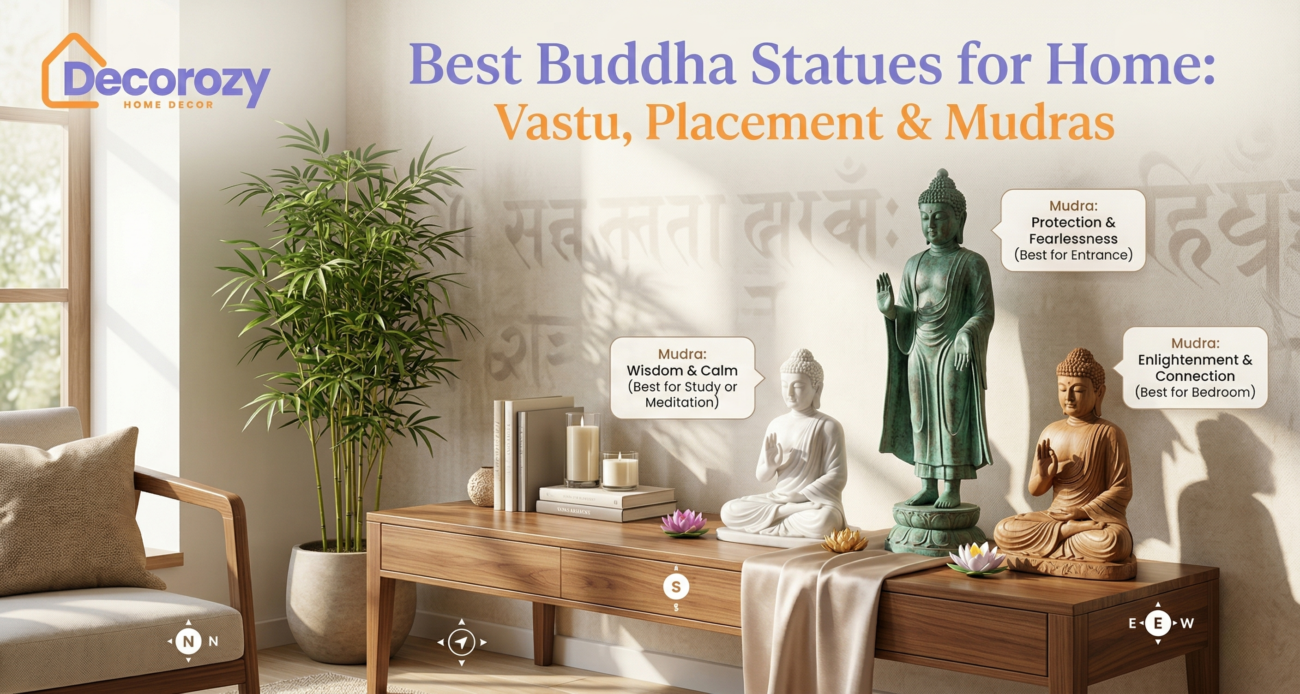
Quick Answer: The ideal god idol placement as per Vastu is in the northeast corner (Ishan Kone) of your home. Idols should ideally face west, allowing the worshipper to face east while praying. Avoid placing the mandir in bedrooms, basements, or against bathroom walls.
The Core Concept of God Idol Placement As Per Vastu
Vastu Shastra is the ancient Indian science of architecture, focusing on directional alignments and spatial harmony. The core philosophy revolves around balancing the five elements of nature: earth, water, fire, air, and space.
When it comes to your home’s spiritual epicenter, the northeast direction is considered highly auspicious. This zone, known as Ishan Kone, is ruled by divine energies and acts as a receptor for positive vibrations.
Proper god idol placement as per Vastu ensures that these divine frequencies are amplified and distributed throughout your home. The orientation of the idols dictates how energy interacts with the magnetic field of the earth.
Furthermore, the materials used for the idols and the altar itself play a significant role. Wood and marble are highly recommended by Vastu experts due to their grounding and pure nature.
It is also vital to ensure that the idols do not directly face each other. This creates a conflicting energy loop that can disrupt the peaceful atmosphere of your meditation and prayer space.
Keeping a respectful distance between the idols and the wall is another fundamental Vastu rule. This gap allows the energy of the deities to flow freely, establishing a dynamic aura in the room.
Benefits of Correct God Idol Placement As Per Vastu
Implementing the right god idol placement as per Vastu brings profound psychological and spiritual benefits to your household. First and foremost, it establishes a deep sense of tranquility and mental peace for everyone residing in the home.
A properly aligned mandir acts as an energy purifier, cleansing the surrounding spaces of negative or stagnant vibrations. This continuous flow of positive energy directly impacts your daily mood, reducing stress and anxiety.
From a prosperity standpoint, Vastu principles suggest that aligning with universal energies attracts wealth and abundance. Removing Vastu doshas (flaws) in your puja room can unlock blocked financial avenues and career growth.
Health and vitality are also closely linked to the spatial harmony of your home’s spiritual center. A well-placed altar enhances concentration, making your meditation sessions much more effective and rejuvenating.
Moreover, a Vastu-compliant mandir fosters stronger family bonds and promotes domestic harmony. The shared spiritual space becomes a focal point of unity, encouraging collective prayers and shared positive intentions.
Ultimately, honoring these ancient architectural guidelines demonstrates a deep respect for cosmic laws. This reverence naturally translates into a more balanced, fulfilling, and spiritually enriched lifestyle.
Detailed Analysis and How-To: Placing Your Deities
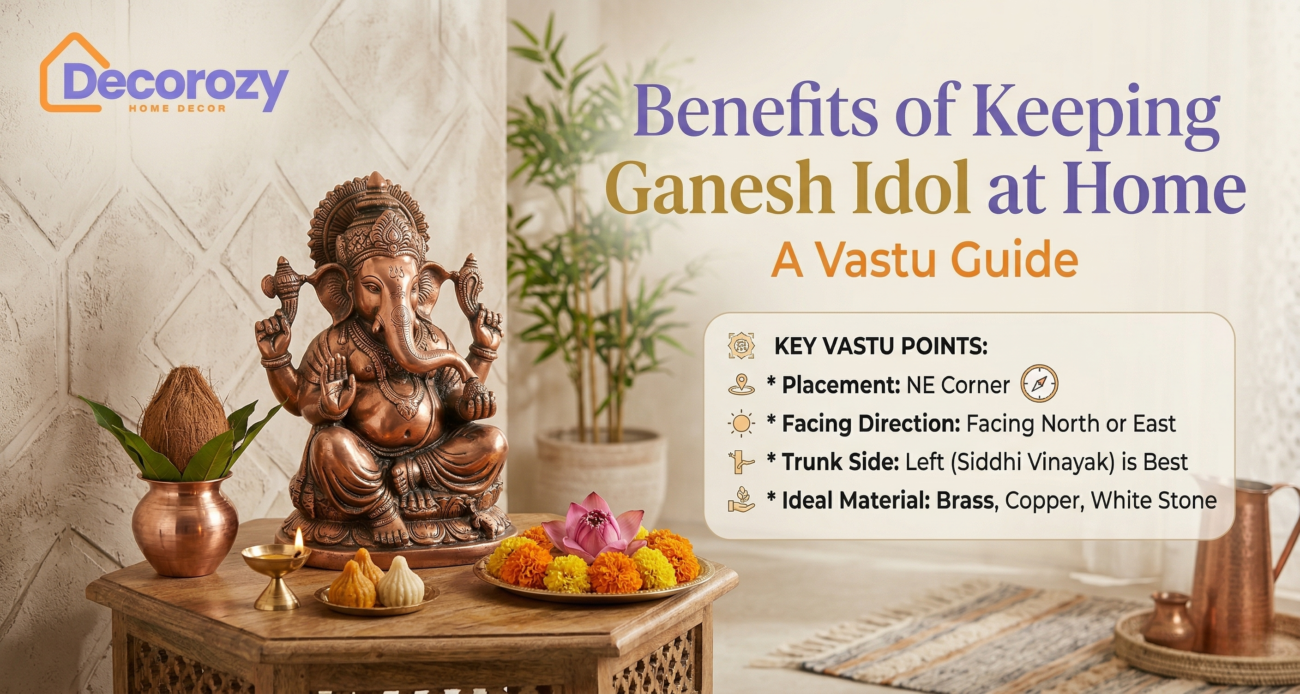
To master your home’s spiritual design, you must understand that different deities have specific directional preferences. Lord Ganesha, the remover of obstacles, should always be placed on the left side of the altar.
The Ganesha idol should ideally face the north direction, as this is the domain of Lord Kubera, the god of wealth. Ensure that the trunk of the Ganesha idol turns towards his left for domestic worship.
For Goddess Lakshmi and Goddess Saraswati, Vastu dictates placement on the right side of Lord Ganesha. This arrangement ensures a continuous flow of prosperity, knowledge, and creative energy into your household.
Lord Shiva is best represented as a Lingam rather than an idol in a domestic setup. If you do keep a Shiva Lingam, it should be placed in the northern section of the mandir.
Lord Hanuman, the embodiment of strength and devotion, should ideally face the south direction. However, it is crucial to never place Hanuman idols in the bedroom, as he is a strict celibate.
When setting up your altar, elevate the idols slightly above the ground using a wooden platform or a soft cloth. The idols should be placed at chest height so that you are looking directly at them while seated.
Never keep broken or chipped idols in your puja room, as they attract heavy, negative energy. Immediately immerse any damaged idols in a flowing body of water to maintain the purity of your home.
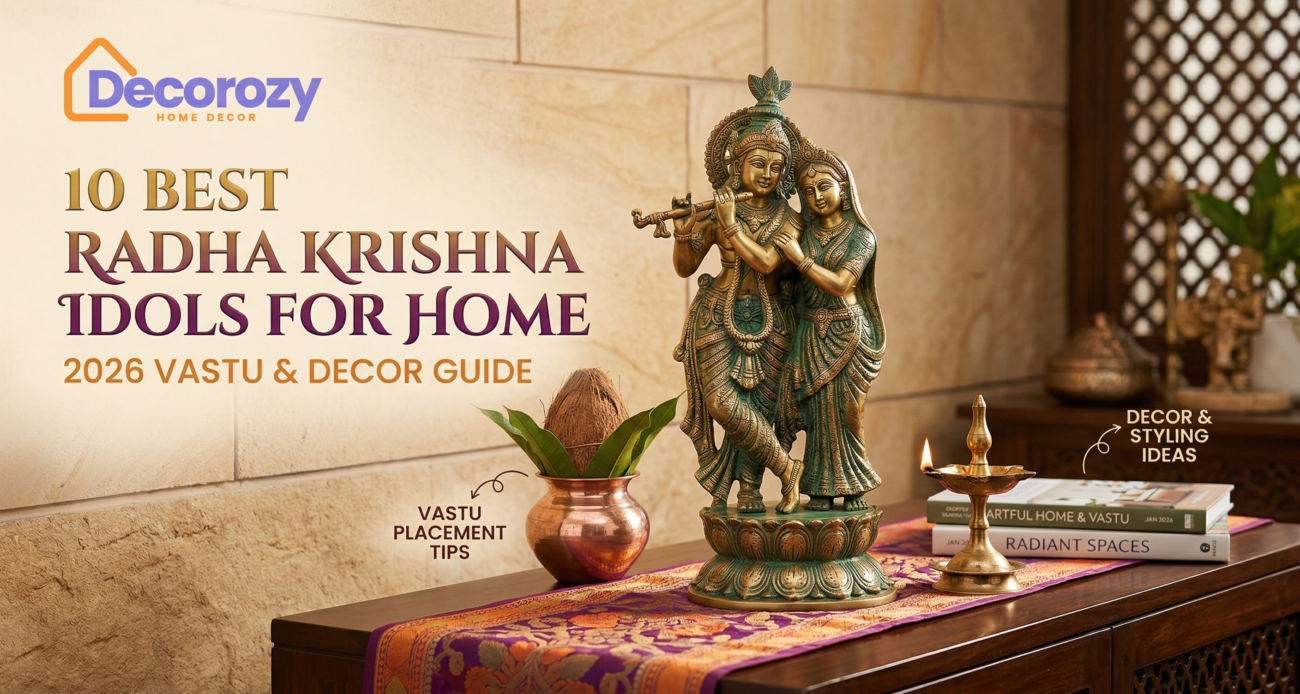
Lighting is another critical component of Vastu; the oil lamp or Diya should always be placed in the southeast corner. This honors the fire element (Agni) and prevents directional imbalances within the sacred space.
By meticulously following these guidelines, you transform a simple room into a powerful spiritual sanctuary. Elevate your home’s energy and aesthetics today by exploring our exclusive, Vastu-compliant mandir collections at Decorozy.com!
FAQ Schema
- Question 1: Which direction should God face in a home mandir?
- Answer: According to Vastu, God idols should ideally face the West direction. This ensures that you, the worshipper, are facing the highly auspicious East direction while offering your prayers, aligning with the rising sun.
- Question 2: Can we keep the mandir in the bedroom?
- Answer: No, Vastu Shastra strictly advises against placing a mandir in a bedroom. If lack of space leaves no other option, place it in the northeast corner and use a curtain to cover the mandir when not in use.
- Question 3: What should be the height of the idols in the puja room?
- Answer: God idols should ideally be between 2 to 9 inches in height for a home mandir. They should be elevated on a platform so that the deity’s feet are at your chest level when you sit down to pray.