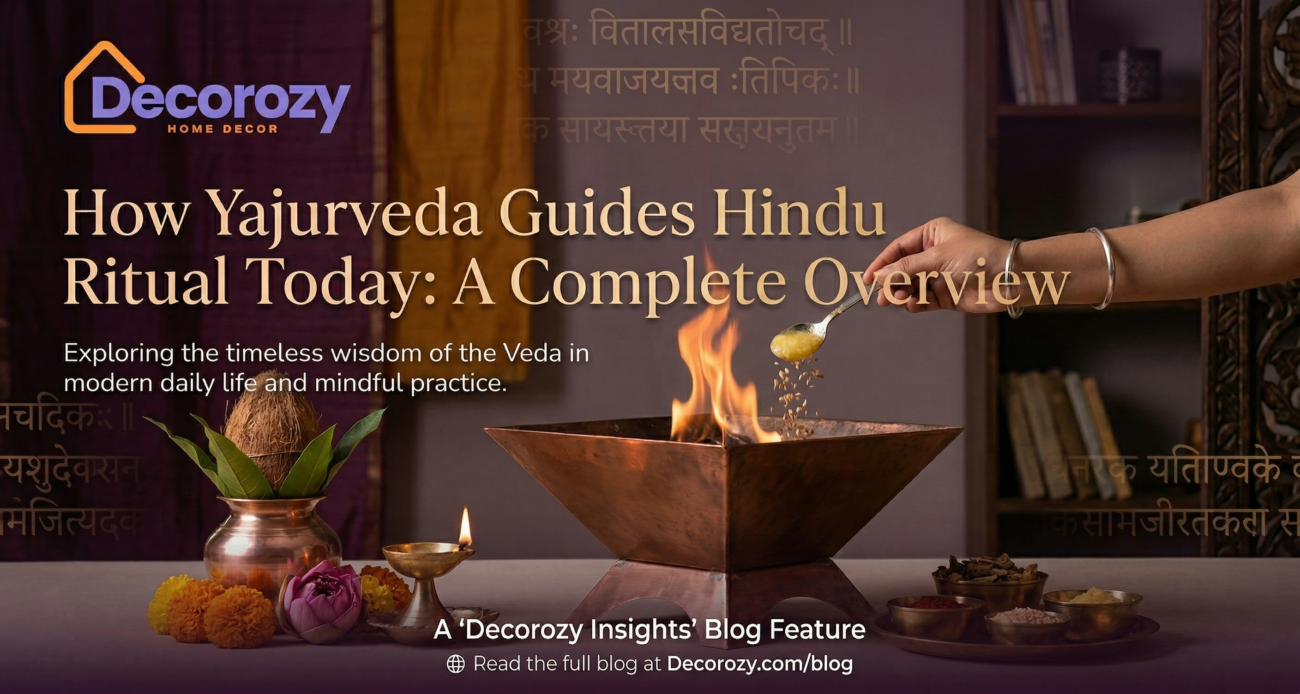
The ancient Vedic texts often appear to the uninitiated as mere manuals for complex external rituals. However, modern spiritual seekers and historians are increasingly fascinated by the hidden meaning of yajurveda sacrifices. By peeling back the layers of ancient symbolic language, we uncover profound psychological and cosmic truths.
Quick Answer: The hidden meaning of Yajurveda sacrifices lies in inner psychological transformation rather than mere external rituals. These sacrifices symbolize the offering of one’s ego, desires, and ignorance into the fire of divine consciousness to achieve spiritual liberation and cosmic harmony.
Core Concept: The Hidden Meaning of Yajurveda Sacrifices Unveiled
To truly grasp the hidden meaning of yajurveda sacrifices, we must look beyond the physical fire and material offerings. The Yajurveda ultimately serves as a profound metaphysical blueprint for human consciousness and self-mastery.
Ancient sages used physical elements like Agni (fire) and Soma (nectar) as powerful metaphors for inner spiritual energies. In this esoteric context, the true altar is the human mind, and the offerings are our worldly attachments and egoic limitations.
By performing these internal yajnas (sacrifices), individuals systematically align their microcosm with the macrocosm of the universe. This internal process fosters a deep spiritual awakening, far removed from mere ritualistic appeasement of deities.
Importance of the Hidden Meaning of Yajurveda Sacrifices Today
Understanding the hidden meaning of yajurveda sacrifices is crucial for modern practitioners of yoga and meditation. It transforms rigid, ancient dogma into a living, breathing practice of mindfulness and continuous self-improvement.
When we recognize that these rituals are tools for psychological purification, we can seamlessly apply their principles to our daily lives. This ancient perspective helps in managing modern stress, reducing ego conflicts, and finding lasting inner peace.
Furthermore, decoding these Vedic symbols connects us to a universal, timeless spiritual heritage. It reveals that the ultimate, underlying goal of the Yajurveda was always the pursuit of self-realization and ultimate enlightenment.
Detailed Analysis: Decoding the Inner Yajna
The mechanics of the inner sacrifice involve systematic self-reflection, breath control, and mental discipline. Every chant, verse, and physical gesture outlined in the Yajurveda corresponds directly to a specific cognitive or emotional state.
For instance, the offering of clarified butter (ghee) into the fire represents the yielding of a clarified, sharply focused intellect to the divine will. The chanting of Sanskrit mantras acts as a vibrational tool to focus and elevate the scattered human mind.
Ultimately, this esoteric interpretation bridges the gap between ritualistic orthodox religion and pure mystical philosophy. Practitioners learn to constantly sacrifice their lower, animalistic nature in order to nourish and elevate their higher, divine self.
The esoteric layers of Vedic literature offer timeless wisdom and psychological frameworks for those willing to seek them. Embracing the psychological depth of these ancient practices can radically transform your personal spiritual journey. Explore more deep-dives into ancient wisdom and discover how to optimize your spiritual space right here at Decorozy.com.
FAQ Schema
- Question 1: What is the primary focus of the Yajurveda?
- Answer: The Yajurveda is primarily a guidebook for Vedic rituals and ceremonial sacrifices. However, its deeper, esoteric focus is on guiding individuals through symbolic actions to achieve inner purification, mental discipline, and cosmic harmony.
- Question 2: What does the fire (Agni) symbolize in Vedic sacrifices?
- Answer: In the context of inner Vedic sacrifices, the fire or Agni symbolizes the divine will, spiritual illumination, and the transformative internal energy that burns away human ignorance, attachments, and the ego.
- Question 3: Can Yajurveda sacrifices be practiced mentally without physical rituals?
- Answer: Yes, many Upanishadic and modern interpretations suggest that the most potent form of these sacrifices is the internal Yajna (Antar-Yajna). This involves the mental offering of negative traits and desires into the inner fire of self-awareness.