Creating a space that feels both exceptionally elegant and warmly inviting requires a masterful touch. If you are exploring traditional living room interior design ideas, you are seeking an aesthetic that defies passing trends. This enduring design philosophy champions symmetry, classic comfort, and historical elegance.
Quick Answer: Traditional living room interior design ideas focus on symmetry, classic architectural elements, and antique-inspired furniture. This style utilizes rich color palettes, luxurious fabrics like silk or velvet, ornate woodwork, and carefully curated accessories to create a timeless, harmonious, and highly structured space.
Core Elements of Traditional Living Room Interior Design Ideas
Traditional design is rooted in the aesthetics of 18th and 19th-century Europe. It focuses entirely on creating a harmonious, orderly, and predictable environment.
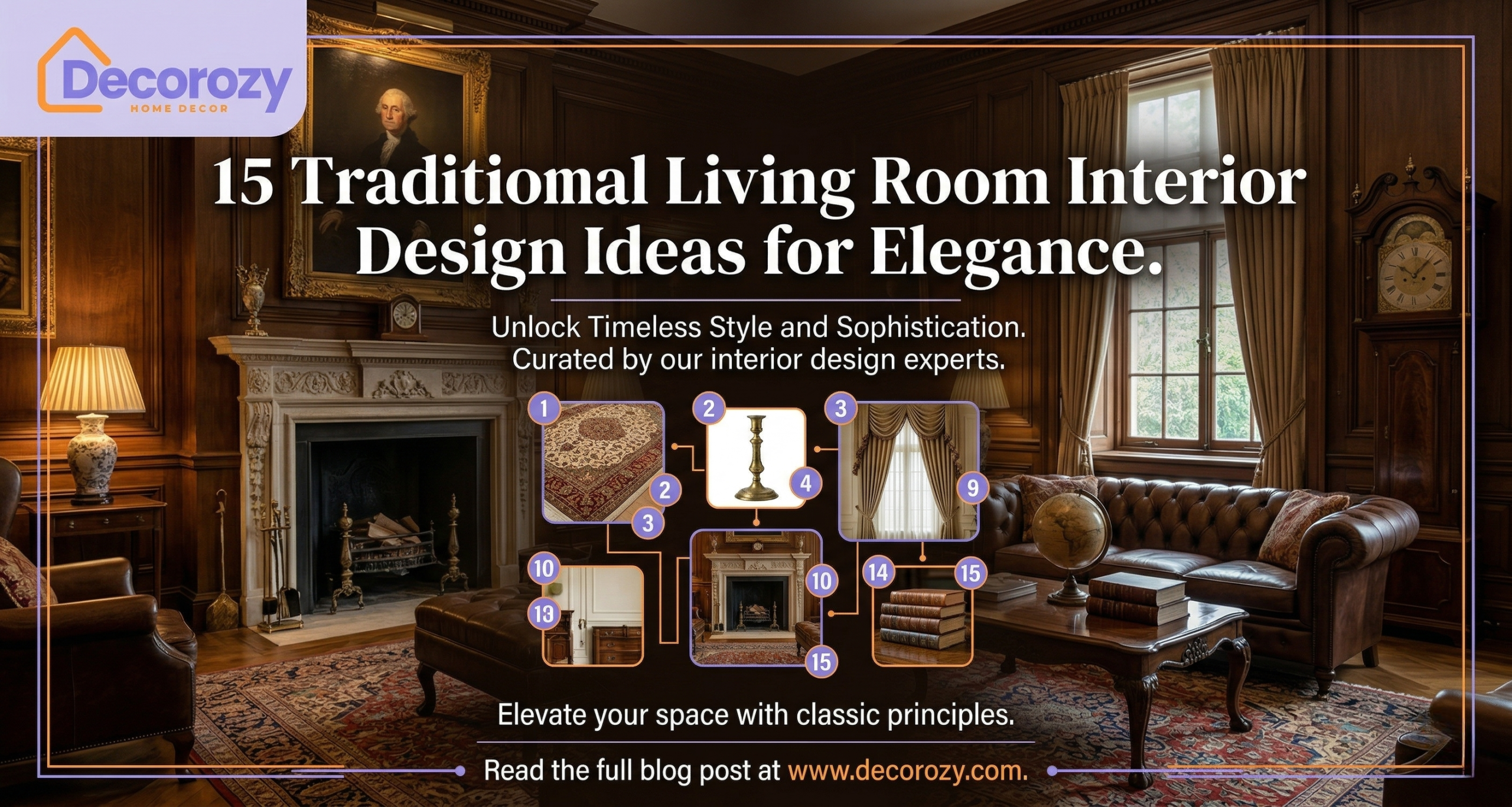
When you implement traditional living room interior design ideas, you are prioritizing consistency. Rooms are centered around a clear focal point, such as a grand fireplace or a large bay window.
Furniture placement is highly symmetrical. If you place a classic wingback chair on one side of the fireplace, a matching chair belongs on the exact opposite side.
Architectural details are non-negotiable in this classic aesthetic. Crown molding, wainscoting, and intricate baseboards add necessary depth and historical character to the walls.
The Benefits of Using Traditional Living Room Interior Design Ideas
The primary advantage of traditional styling is its incredible longevity. While ultra-modern trends quickly feel dated, classic spaces retain their charm for decades.
Investing in traditional living room interior design ideas means investing in high-quality, durable pieces. Solid wood furniture and robust upholstery fabrics are designed to last a lifetime.
This style also promotes an atmosphere of calm and order. The reliable symmetry and familiar silhouettes reduce visual clutter, helping you relax after a long day.
Furthermore, traditional interiors are highly adaptable. You can easily refresh the room by swapping out throw pillows or adding a new Persian rug without replacing your core furniture.
How to Execute Traditional Living Room Interior Design Ideas Perfectly
Bringing this elegant style into your modern home requires careful planning. You must balance heavy historical elements with breathable space to prevent the room from feeling like a museum.
Perfecting the Symmetrical Layout
Start by defining your primary focal point. Arrange your largest furniture pieces, like a Chesterfield sofa, directly facing or flanking this central feature.
Ensure traffic flows smoothly around your conversation areas. Traditional spaces should feel intimate, so keep seating arrangements close together to encourage natural conversation.
Selecting Classic Color Palettes
Rich, warm tones are the foundation of classic design. Consider deep jewel tones like emerald green, sapphire blue, or a regal burgundy for your primary accents.
If you prefer a lighter touch, utilize a backdrop of warm neutrals. Beige, cream, and soft taupe allow your dark mahogany or cherry wood furniture to stand out beautifully.
Choosing the Right Antique Furniture
Avoid lightweight, minimalist furniture. Traditional spaces demand substantial pieces with intricate details, such as claw-foot tables, rolled arms, and tufted upholstery.
Mix different wood tones carefully. While dark woods are standard, incorporating a burled walnut chest or an oak side table can add necessary visual texture to the room.
Layering Luxurious Textiles
Fabrics dictate the luxury level of your living room. Heavy draperies made of silk or velvet, often featuring tassels or fringe, are a hallmark of this timeless style.
Integrate classic patterns into your upholstery and accessories. Floral motifs, damask, toile, and subtle plaids add layers of visual interest to your seating areas.
Illuminating with Elegant Lighting
Lighting should be both functional and highly decorative. A central crystal chandelier often serves as a breathtaking secondary focal point in a traditional ceiling.
Layer your lighting with matching pairs of table lamps. Brass or ceramic bases topped with silk drum shades provide a warm, flattering glow to the entire room.
Curating Art and Accessories
Traditional decor thrives on collections and curation. Display matching sets of vintage books, classic porcelain urns, or landscape oil paintings in ornate gold frames.
Remember that restraint is just as important as decoration. Group your accessories in balanced arrangements to maintain the room’s overarching sense of order and symmetry.
By embracing these principles, you can transform your home into a sophisticated retreat. Explore more curated furniture and classic decor pieces right here on Decorozy.com to start your design journey.
FAQ Schema
- Question 1: How do you make a traditional living room look modern?
- Answer: Incorporate a neutral color palette and declutter the space. Mix classic antique furniture with modern abstract art, and use updated lighting fixtures to bridge the gap between historical and contemporary styles.
- Question 2: What colors work best for a traditional living room?
- Answer: Rich, warm tones like burgundy, emerald green, and navy blue are staples of classic design. You can also use soft neutrals like beige, cream, and taupe as a backdrop to highlight dark wood antique furniture.
- Question 3: What type of furniture is used in traditional interior design?
- Answer: This style features heavy, robust furniture often made of dark woods like mahogany or cherry. Look for classic pieces like wingback chairs, Chesterfield sofas, claw-foot tables, and intricately carved wooden cabinets.