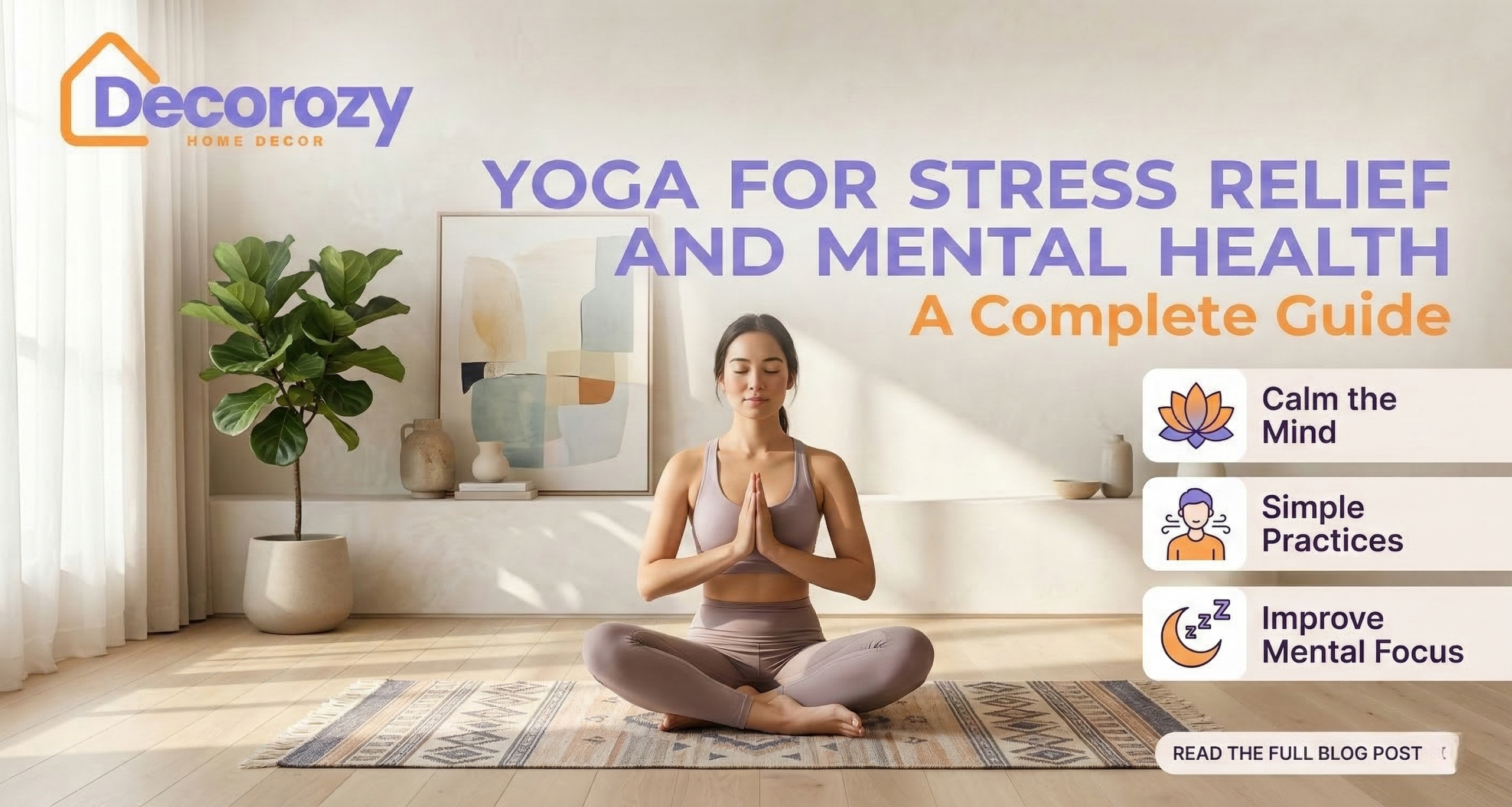
Modern life moves at a relentless pace, leaving many of us feeling constantly overwhelmed and exhausted. Finding effective, sustainable ways to manage daily anxiety is no longer just a luxury; it is a vital necessity. Integrating yoga for stress relief and mental health into your daily routine offers a proven, holistic solution to these modern challenges.
Quick Answer: Yoga combines physical postures, controlled breathing, and mindfulness meditation to directly reduce cortisol levels and calm the central nervous system. Regular daily practice effectively lowers anxiety, improves mood, and enhances overall cognitive function, making it a powerful holistic mental health tool.
Understanding Yoga for Stress Relief and Mental Health
The practice of yoga extends far beyond basic stretching or physical flexibility. It is a comprehensive system designed to intentionally unite the mind, body, and breath.
When we evaluate yoga for stress relief and mental health, we must look at how mindful movement influences our neurobiology. The intentional coordination of breath and movement creates a powerful physiological reset button.
By engaging in specific postures, you actively signal to your parasympathetic nervous system that it is safe to relax. This shift moves the body out of its natural “fight or flight” survival mode.
Why Yoga for Stress Relief and Mental Health Matters
Chronic stress damages the body by keeping cortisol and adrenaline levels constantly elevated. This long-term hormonal imbalance can easily lead to severe anxiety, depression, and noticeable cognitive decline.
Practicing yoga for stress relief and mental health directly combats these negative physiological responses. It provides a structured environment where the body can actively process and release stored tension.
Clinical studies consistently show that mindful movement helps lower resting heart rates and blood pressure. Furthermore, it improves sleep quality, which is fundamentally essential for cellular repair and emotional regulation.
Ultimately, this physical and mental regulation creates a fertile ground for emotional resilience. It fosters lasting psychological stability in the face of external daily pressures.
The Science Behind Mindful Movement and the Brain
Research indicates that regular yoga practice actually changes the physical structure of your brain over time. It increases the volume of the hippocampus, the area responsible for memory and complex emotional regulation.
Simultaneously, consistent practice decreases the size and reactivity of the amygdala. This small, almond-shaped cluster is the brain’s primary fear and stress processing center.
This measurable neurological shift explains why dedicated practitioners often report feeling significantly more grounded. It provides a concrete biological basis for the profound psychological benefits associated with the practice.
Your brain essentially learns how to handle stressful triggers with greater efficiency and less panic.
Best Physical Postures for Anxiety Reduction
Not all yoga poses serve the exact same purpose when it comes to psychological well-being. Restorative and grounding postures are specifically targeted to soothe an overactive, exhausted nervous system.
Child’s Pose (Balasana)
This essential resting posture naturally encourages deep, diaphragmatic breathing. It helps release stubborn physical tension stored in the lower back, neck, and shoulders.
Legs-Up-The-Wall (Viparita Karani)
This is a gentle, highly accessible inversion that facilitates optimal blood circulation back to the heart. It is incredibly effective for reducing physical fatigue and calming racing, intrusive thoughts.
Corpse Pose (Savasana)
Often considered the most crucial and challenging part of any sequence. It allows the body to fully integrate the neurological benefits of the physical practice in complete stillness.
Incorporating Breathwork (Pranayama)
Physical movement is only one half of the equation; deliberate breath control is equally vital. Pranayama techniques directly and immediately influence your heart rate variability.
Alternate nostril breathing, known as Nadi Shodhana, is excellent for balancing the brain’s left and right hemispheres. It instantly brings a profound sense of focused calm and clarity to the anxious mind.
Box breathing is another incredibly simple yet highly powerful method used globally. It can practically halt panic attacks in their tracks by forcing a regulated breathing rhythm.
Consistent breathwork serves as a reliable anchor, keeping you firmly rooted in the present moment.
The Role of Meditation in Physical Practice
Yoga is essentially a moving meditation, preparing the physical body for periods of mental stillness. Moving through postures helps burn off excess nervous energy that causes restlessness.
Once the body is physically fatigued and relaxed, sitting in meditation becomes significantly easier. This mental focus allows you to observe your thoughts without immediate, emotional reactions.
Developing this non-judgmental awareness is the cornerstone of robust mental health. It allows you to detach from stressful narratives and view situations with objective clarity.
Common Mistakes Beginners Should Avoid
Many beginners abandon their practice because they push their physical limits too hard, too fast. Yoga is not a competitive sport; it is an internal, highly personal journey.
Comparing your flexibility or strength to others in a class entirely defeats the purpose of the practice. Focus on how a posture feels in your own body, rather than how it looks in a mirror.
Additionally, do not skip the final resting pose (Savasana) to save a few minutes. Rushing back into your day without this integration period robs you of the primary mental benefits.
Building a Sustainable Daily Routine
You do not need to practice for two hours a day to see significant mental health benefits. Consistency is drastically much more important than duration when building a new, healthy habit.
Start with just ten to fifteen minutes of gentle movement each morning or before bed. Find a quiet, dedicated space in your home where you will not be easily interrupted.
Over time, you can gradually increase the length and intensity of your daily sessions. Always listen to your body and adjust your practice to gracefully meet your current energy levels.
Managing your psychological well-being is an ongoing, lifelong journey, but you do not have to navigate it alone. Implementing these simple yet powerful practices can fundamentally transform your daily life.
Would you like to explore more expert tips on creating a relaxing home environment for your practice? Discover our comprehensive holistic wellness and lifestyle guides right here on Decorozy.com today!
FAQ Schema
- Question 1: How often should I practice yoga to see mental health benefits?
- Answer: For optimal mental health benefits, aim to practice yoga 3 to 5 times a week for at least 15 to 30 minutes. Consistent, daily practice is the most effective way to lower baseline stress levels and maintain long-term emotional regulation.
- Question 2: Can yoga replace traditional therapy or medication for severe anxiety?
- Answer: While yoga is a highly effective tool for managing stress symptoms, it should complement, not replace, professional therapy or prescribed medication. It is best utilized as a powerful supplemental practice within a comprehensive mental health treatment plan.
- Question 3: What specific style of yoga is best for extreme stress and burnout?
- Answer: Restorative yoga, Yin yoga, and gentle Hatha yoga are the most effective styles for combating extreme stress and burnout. These specific practices focus heavily on slow movements, deep breathing, and prolonged, supported holds to actively calm the central nervous system.