Mythology has fascinated humanity for centuries, offering a cosmic mirror to our own morals, struggles, and virtues. In the vast pantheon of Hindu deities, few bonds are as celebrated and culturally significant as the relation between Ganpati and Gauri. Whether you are observing the vibrant festivities of Ganesh Chaturthi or the soulful rituals of Gowri Habba, understanding this connection enriches your spiritual perspective.
Quick Answer
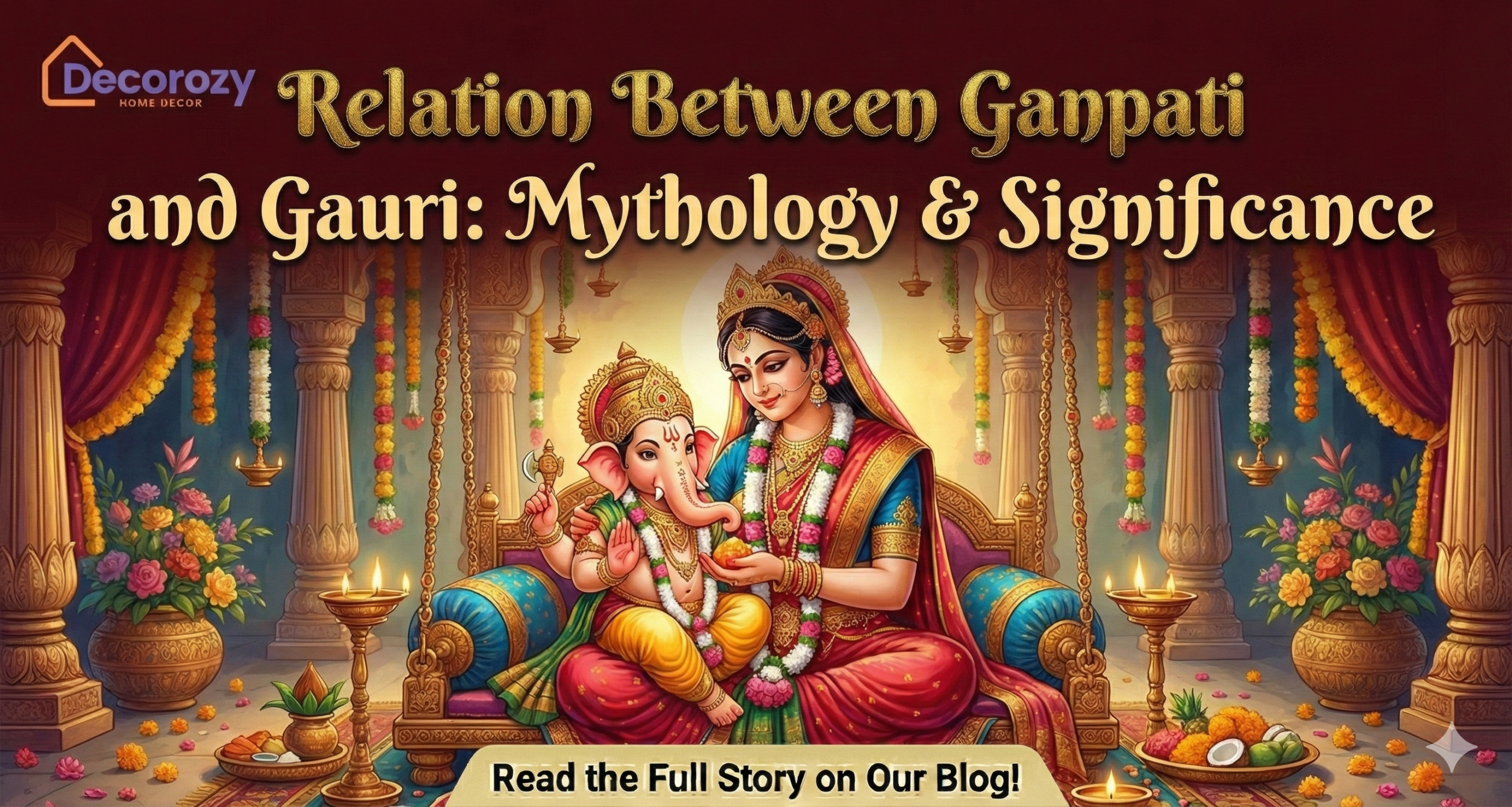
The primary relation between Ganpati and Gauri is that of mother and son. Goddess Gauri (an avatar of Parvati) created Lord Ganesha from turmeric paste to guard her privacy. In some regional traditions, they are also worshipped as siblings or as a combined representation of auspicious energy and prosperity.
## The Origin Story: How Gauri Created Ganpati
The most widely accepted mythological account of the relation between Ganpati and Gauri begins with the Goddess’s desire for a loyal protector. While her husband, Lord Shiva, was away, Gauri sculpted a young boy from turmeric and sandalwood paste, breathing life into him to guard her abode.
This young boy, Ganesha, took his duty so seriously that he even barred Lord Shiva from entering. The resulting conflict led to the iconic replacement of Ganesha’s head with that of an elephant, symbolizing the rebirth of a son through the combined powers of his mother’s creation and his father’s intervention.
## Significance of the Gowri Ganesha Festival
In regions like Karnataka and Maharashtra, the relation between Ganpati and Gauri is celebrated through specific festivals like Gowri Habba or Hartalika Teej. These rituals typically occur one day before Ganesh Chaturthi, symbolizing the mother arriving at her parent’s home, followed by her son the next day.
- Gowri Habba: Married women worship Gauri for courage, strength, and a happy married life.
- The Sthapana: A symbolic turmeric idol (Arishinadagauri) is often prepared, representing the purity and creative power of the Goddess.
- The Gauridaara: Women tie a sacred thread with sixteen knots on their wrists to seek Gauri’s blessings and protection for their families.
## Detailed Analysis: A Multidimensional Relationship
While the “Mother-Son” dynamic is the most prominent, Hindu mythology is diverse. In certain Vedic interpretations and regional folklore, the relationship takes on different nuances. For instance, some traditions view Gauri as a sister figure to Ganpati, highlighting the fluid nature of divine archetypes.
Regardless of the specific label, the duo represents the pinnacle of “Sukh Karta” (Giver of Happiness) and “Dukh Harta” (Remover of Sorrows). Gauri provides the foundational energy (Shakti), while Ganesha provides the wisdom and path to success (Siddhi and Buddhi). This synergy is why no major Hindu ritual begins without invoking their combined presence.
## Conclusion
The relation between Ganpati and Gauri is a beautiful tapestry of love, duty, and divine power. It reminds us of the strength of maternal bonds and the importance of tradition in keeping our heritage alive. By celebrating these deities, we invite wisdom, courage, and prosperity into our homes.
Would you like me to create a detailed guide on the specific rituals and ingredients needed for a traditional Gowri-Ganesha Puja at home?
Section 3: FAQ Schema
1. Is Gauri the mother or sister of Ganesha? In the most common Puranic traditions, Gauri (Parvati) is the mother of Ganesha. However, in specific regional cultural contexts and certain folk traditions, she is occasionally referred to as a sister. Most devotees worship them as the divine Mother and Son.
2. Why is Gowri Puja performed before Ganesh Chaturthi? Gowri Puja is performed a day earlier to symbolize Goddess Gauri arriving at her maternal home. The following day, her son Ganesha arrives to take her back to Mount Kailash, marking the beginning of the Ganesh Chaturthi celebrations.
3. What is the significance of the turmeric idol in Gauri Puja? The turmeric idol, known as Arishinadagauri, represents the original story of Ganesha’s creation. Since Gauri created her son from the paste on her own body, turmeric is used to honor her creative power, purity, and role as the source of all life.